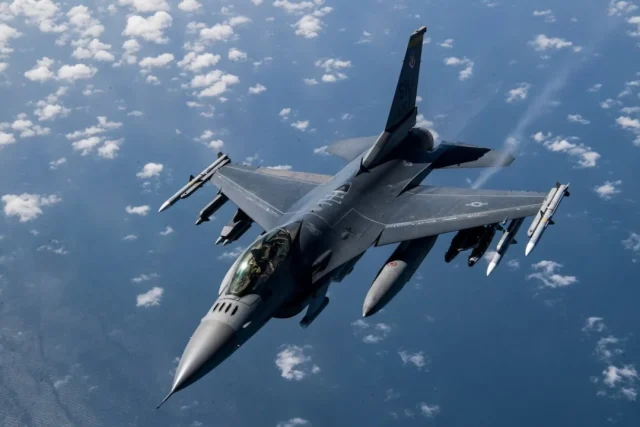





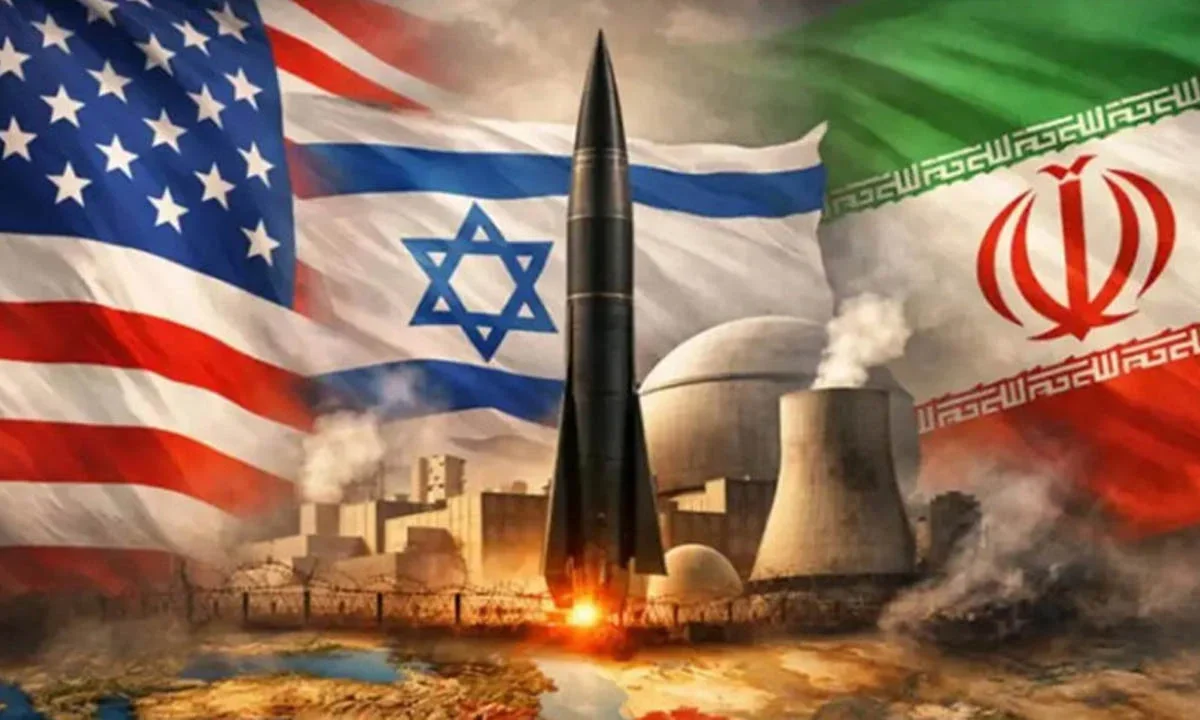
The United States and Israel have agreed to develop joint plans in anticipation of a possible new military operation against Iran. The militaries of both nations are currently working on formulating these coordinated strategies; however, there is no indication that a decision to launch an attack on Iran has been made at this time.
A report by Israel’s Channel 13 on Saturday evening confirmed that the Israeli military is collaborating with the US Central Command (CENTCOM) on these joint plans. The report further noted that the Israeli military has warned that the potential timeframe for a conflict may be drawing closer.
Nevertheless, a senior Israeli military official, speaking on condition of anonymity, told Channel 13 that although CENTCOM commander Brad Cooper visited Tel Aviv, no decisions regarding an attack on Iran were discussed. Furthermore, Israel’s own security assessments suggest that the immediate risk of a new conflict breaking out is not significantly higher than it has been in recent days.
Channel 13 added that while the Israeli military remains in a state of heightened readiness, it has not yet reached the highest level of alert. According to the country’s military assessment, the decision on how to proceed regarding Iran now rests with US President Donald Trump.
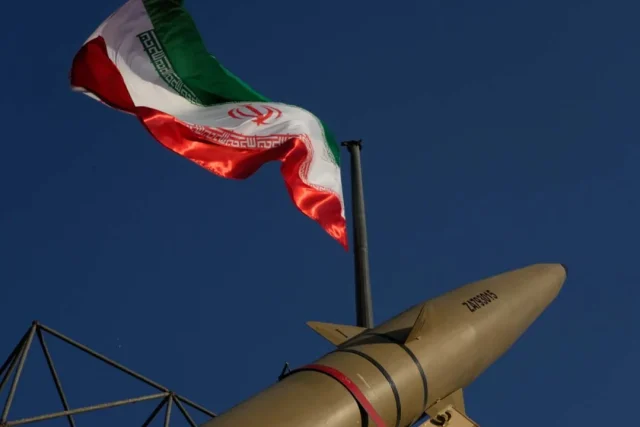
Tensions between the two sides have persisted for months, following a military strike on Iran by the US and Israel on February 28. In retaliation, Iran launched attacks on various targets—including sites in Israel and locations it identified as US military installations across several Arab nations.
Subsequently, on June 18, Washington and Tehran signed a memorandum of understanding and initiated talks. However, these discussions failed to yield significant progress, largely due to disagreements concerning maritime navigation and security in the Strait of Hormuz. Despite ongoing diplomatic efforts, conflict between the two sides flared up again in July.
Trilateral Meeting on Military Preparedness
Last Wednesday, in Tel Aviv, CENTCOM commander Brad Cooper held a meeting with Israeli military official Eyal Zamir and a senior representative from the intelligence agency Mossad, Roman Gofman. The meeting took place amidst military preparations to address the possibility of a new attack against Iran.
A statement from the Israeli military indicated that Zamir and Cooper conducted a joint, comprehensive assessment of the regional situation and shared security challenges. Discussions also covered enhancing strategic and operational cooperation between the two militaries, strengthening coordination, and bolstering joint readiness to handle various potential scenarios.
However, the Israeli military did not provide specific details regarding the scenarios discussed, nor did it clarify whether Iran was explicitly a subject of the talks.
Meanwhile, the Israeli newspaper Yedioth Ahronoth reported on Wednesday that military preparations for a potential new war against Iran were a primary focus of the meeting between Cooper and Zamir.
Previously, on November 11, Israel’s state broadcaster Kan reported that the country’s security cabinet had directed the military to intensify preparations for a possible strike against Iran.
Intelligence-level discussions in Washington
A few days prior to this tripartite meeting, Roman Goffman, a senior official from the Israeli intelligence agency Mossad, visited the United States. During his visit, he held discussions regarding Iran with senior officials from the Trump administration.
Goffman also met with CIA Director John Ratcliffe. The talks centered on Israeli intelligence assessments concerning Iran and the potential for launching new military operations.
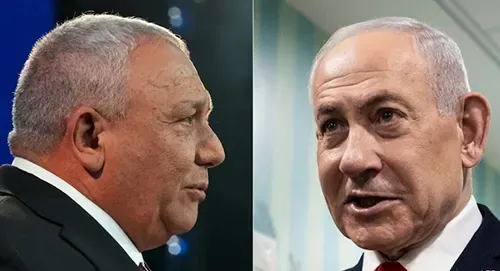
Concurrently, within Israel’s political sphere, there is an ongoing debate regarding the prospect of a new war involving Iran. Leaders of the “Change Bloc”—a political alliance led by Gadi Eizenkot—have accused interim Prime Minister Benjamin Netanyahu of orchestrating a situation that could lead to another war with Iran.
Eizenkot and his allies, who have been tasked with forming Israel’s next government, allege that Netanyahu is attempting to declare a state of emergency. They argue that he might use this to pave the way for a “national unity government”—one in which he could secure a position for himself—thereby increasing his chances of remaining in power.
Netanyahu is currently facing trial on corruption charges. If convicted of these charges, he could face imprisonment. Furthermore, the International Criminal Court (ICC) has initiated steps to issue an arrest warrant for him, based on allegations of war crimes committed during the Israeli military campaign in Gaza that began in October 2023.