








The historic gains made by Democrats in the US midterm elections have sparked concerns about a potential major impact on the tech industry. In several local-level votes, the electorate has ruled against the development of data centers. Even in areas where data centers were not the direct subject of a ballot measure, voters elected politicians—including newly elected Texas official Gina Hinojosa—who campaigned on promises to restrict such facilities. This report comes from the US-based technology news outlet TechCrunch.
The report notes that these election results could pose new challenges for major technology companies. In particular, the future plans of firms investing heavily in data centers to support the expansion of artificial intelligence (AI) may face significant hurdles. Public opposition to the construction of data centers is growing, driven by concerns over environmental impact, water consumption, and a lack of transparency in the project approval process.
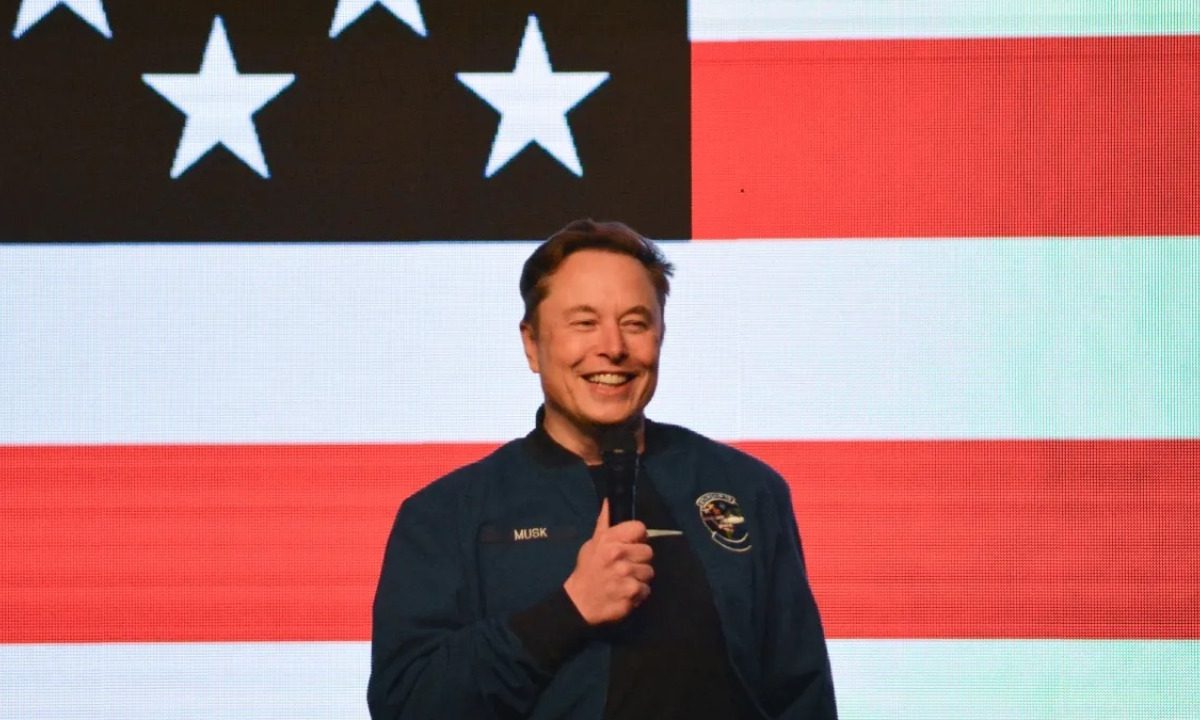
In a recent episode of TechCrunch’s Equity podcast, journalists Sean O’Kane, Kirsten Korosec, and Anthony Ha discussed the potential implications of the midterm election results for the tech sector. The discussion highlighted that despite donating nearly $500 million to the Republican Party, Elon Musk has not secured the political advantages he likely anticipated. Instead, the electoral success of Democrats in Texas—a state that hosts the headquarters of several of his companies—has created a new political reality.
During the podcast, Sean O’Kane pointed out that Elon Musk, a major investor in data centers, is also one of the largest donors to the Republican Party. Yet, despite his substantial financial contributions, the political benefits he expected have become uncertain. The success of Democrats in Texas, combined with the stance of newly elected officials who have pledged to limit data center development, could prove highly significant for the technology industry. The report notes that several local referendums have taken place across various parts of the United States regarding the construction of data centers. Many of these proposals sought to impose restrictions or temporary moratoriums on such developments. In most instances, local residents voted in favor of these restrictions, which could make it increasingly difficult for companies to secure approval for new data centers and carry out their projects.
In a podcast, Anthony Ha explains that while votes concerning data centers have not occurred everywhere, a broader sense of discontent has emerged nationwide. This issue transcends partisan divides, affecting voters across the spectrum—Republicans, independents, and Democrats alike. However, Democrats have been more successful in leveraging this public sentiment for political gain. Ha suggests that anti-AI sentiment—and, more specifically, opposition to data centers—has surfaced as a significant political force in the recent elections.
He further notes that tech companies may face a challenging business environment over the next two years and beyond. Large technology firms and companies involved in building data centers, in particular, may encounter opposition from local residents and elected officials. Companies have reason to consider how this issue might influence the 2028 elections as well.
Kirsten Korosec attributes this anti-data center sentiment to the tendency of companies to maintain secrecy during the project approval process. She points out that, in many cases, major tech firms have secured project approvals by entering into non-disclosure agreements (NDAs) with elected or appointed officials. Often, details regarding the scale of a project, its environmental impact, or its water consumption have not been disclosed. Such concerns are particularly pronounced in the water-scarce regions of the Southwestern United States.
According to her, these factors have fostered a negative attitude toward data centers among Republicans and independent voters, not just Democrats. That said, opposition to data centers was not the sole factor behind the electoral victories of the Democrats. Meanwhile, under pressure from public opinion, shifts are emerging in the policies of technology companies. In a podcast discussion, Korosec noted that OpenAI recently released a “compute campus policy blueprint.” This document outlines plans for data center construction, emphasizes sharing information with local communities, and advocates for greater transparency during the project approval process. Furthermore, the company has indicated that it will move away from the practice of mandating non-disclosure agreements (NDAs) for local public representatives.
Beyond the implications of election outcomes, the capital market presents another source of pressure for tech companies. Consequently, the data center construction sector faces a dual challenge: political and regulatory hurdles on one side, and a lack of investor appetite on the other. Nevertheless, the widespread adoption of AI technology necessitates large-scale computing capacity; therefore, tech companies will ultimately have no choice but to build new data centers. The critical question now is where and how they will execute these projects while navigating heightened regulatory restrictions and financial constraints.