



A skyscraper housing the headquarters of Saudi Arabia’s sovereign wealth fund has been damaged following a new missile attack on the capital, Riyadh, by the Iran-backed Houthi rebel group from Yemen. According to witnesses cited by AFP, windows and exterior sections across several floors of the building were damaged following a loud explosion on Thursday morning.
AFP journalists stationed in Riyadh heard a powerful blast early Thursday. Around the same time, Saudi Arabia’s Civil Defense authority issued a warning regarding a potential threat, though they announced just minutes later that the danger had passed. The Saudi-led military coalition, which is fighting the Houthis, stated that it had intercepted a missile launched by the “terrorist Houthi militia” toward Riyadh.
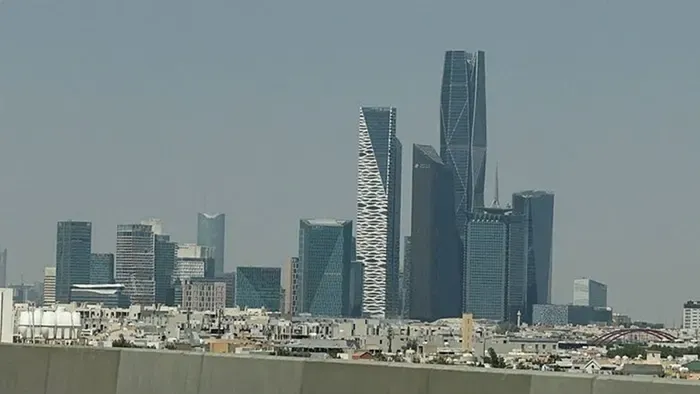
Coalition spokesperson Turki al-Maliki stated that initial assessments indicate the impact of missile debris, which caused infrastructure damage. The full extent of the damage is currently being evaluated. Witnesses later informed AFP that the Public Investment Fund (PIF) tower in Riyadh had been damaged. Standing at 80 stories, it is the tallest building in the city’s financial district.
One witness, speaking on condition of anonymity, reported that the exterior of several floors was damaged and that window glass had been blown out. Two other witnesses confirmed the damage.
The 385-meter-tall tower is a key landmark in the King Abdullah Financial District. Known as a symbol of Saudi Arabia’s economic ambitions, the district features massive skyscrapers, luxury shopping malls, and open green spaces.
The headquarters of the Saudi stock exchange is located here, and multinational corporations, such as Goldman Sachs, also operate within the district. The Public Investment Fund is chaired by Crown Prince Mohammed bin Salman, the de facto ruler of Saudi Arabia. Managing assets worth over $900 billion, it has become one of the world’s largest sovereign wealth funds.
The fund serves as a key instrument for the Saudi government to diversify its economy and move away from a reliance on oil. However, recent conflicts have cast a shadow over these ambitious plans.