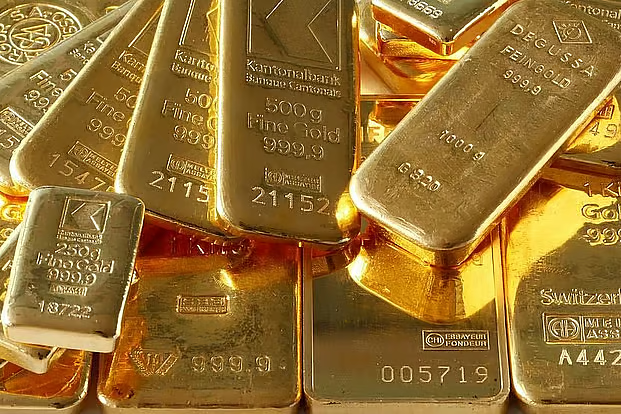
Typically, when global instability, war, or economic crises arise, investors gravitate toward gold as a safe-haven asset, causing the price of the precious metal to rise. However, the current scenario is different.
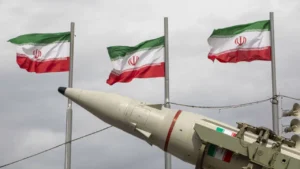
Since the US and Israel launched attacks on Iran in late February—effectively starting a war—gold prices have actually been on a downward trajectory. On January 28 of this year, the price of gold peaked at $5,303 per troy ounce (31.1 grams); by last Friday, it had fallen to $4,235.
According to analysts, the primary reason for this decline is the concern that central banks will not cut interest rates due to rising inflation. In fact, interest rates might even be raised to curb soaring commodity prices.
The Strait of Hormuz is a major factor behind the rise in inflation. A significant portion of the world’s fuel is transported through this route. Iran has effectively shut down this vital waterway following its retaliatory strikes against the US and Israeli attacks. Consequently, global oil and gas supplies have been disrupted, causing prices to surge—a trend that directly fuels inflation.
Inflation in the US has currently reached a three-year high, standing at 4.2 percent.
At the same time, the US labor market remains robust. As a result, the likelihood of the Federal Reserve—the country’s central bank—cutting interest rates anytime soon has diminished significantly. Instead, many investors anticipate that interest rates might be raised further to bring inflation under control.
While gold is considered a safe investment during inflationary periods, its price typically comes under pressure when interest rates rise. This is because gold does not generate returns like bank deposit interest or stock dividends; therefore, for an investment in gold to be profitable, its price must appreciate.
Justin Cardwell, Chief Options Analyst at the financial market website Optionspreaders.com, says, “Gold is an asset that many consider the most reliable alternative to actual currency.” However, it yields no interest or dividends; investors can only profit if its price rises.
That is why interest rates and gold are direct rivals. Caldwell notes, “When interest rates are high and people invest heavily in the dollar, the appeal of gold diminishes significantly.”
The conflict involving Iran has had a positive impact on the US dollar. Amidst war and uncertainty, investors have turned to the dollar as a safe-haven asset, driving up its value. Since the price of gold in international markets is denominated in dollars, gold prices typically fall when the dollar strengthens and rise when the dollar weakens.
Collin Plume, CEO of Noble Gold Investments, told Al Jazeera, “A strong dollar puts pressure on gold, whereas a weak dollar usually causes gold prices to rise. Currently, the dollar is strong, so the gold market is under pressure.”
However, according to Plume, there is uncertainty regarding the future of both the dollar and gold. He stated, “The biggest question for this year—and likely the next few years—is what lies ahead.”
Plume added, “Just a few months ago, the market anticipated interest rate cuts, causing the prices of almost all asset classes to rise. But the situation has changed; there is now a possibility of interest rate hikes. This shift has affected all asset classes, though the gold market is particularly sensitive to changes in interest rates.”
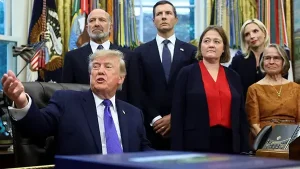
Before the conflict with Iran began, US President Donald Trump had been pressuring the Federal Reserve—the country’s central bank—to significantly lower interest rates.
However, data from the CME FedWatch Tool, which gauges market expectations regarding future Fed decisions, indicates a greater than 50 percent probability of an interest rate hike by next December.
Plume noted that the gold market is caught in a tug-of-war between interest rates and inflation. Currently, fears of rising interest rates are exerting the most influence on the market, keeping the price of the metal under pressure.
Nevertheless, following reports on Friday of a potential agreement between the US and Iran, the price of gold saw a slight increase compared to the previous day. According to Justin Cardwell, news regarding the potential end of the war is positive for gold, as it raises hopes of lower inflation. However, he cautions that this change will not happen overnight.