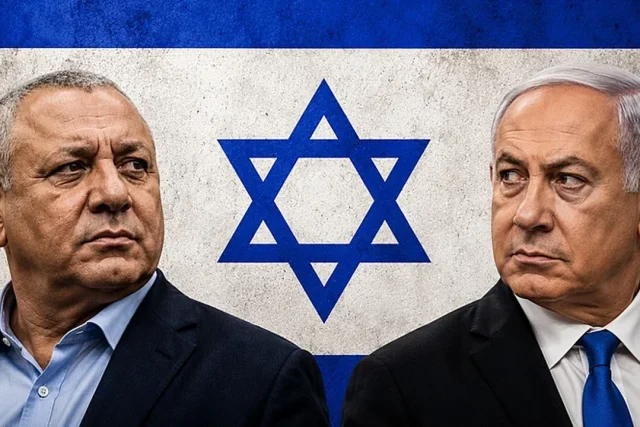

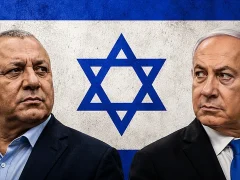


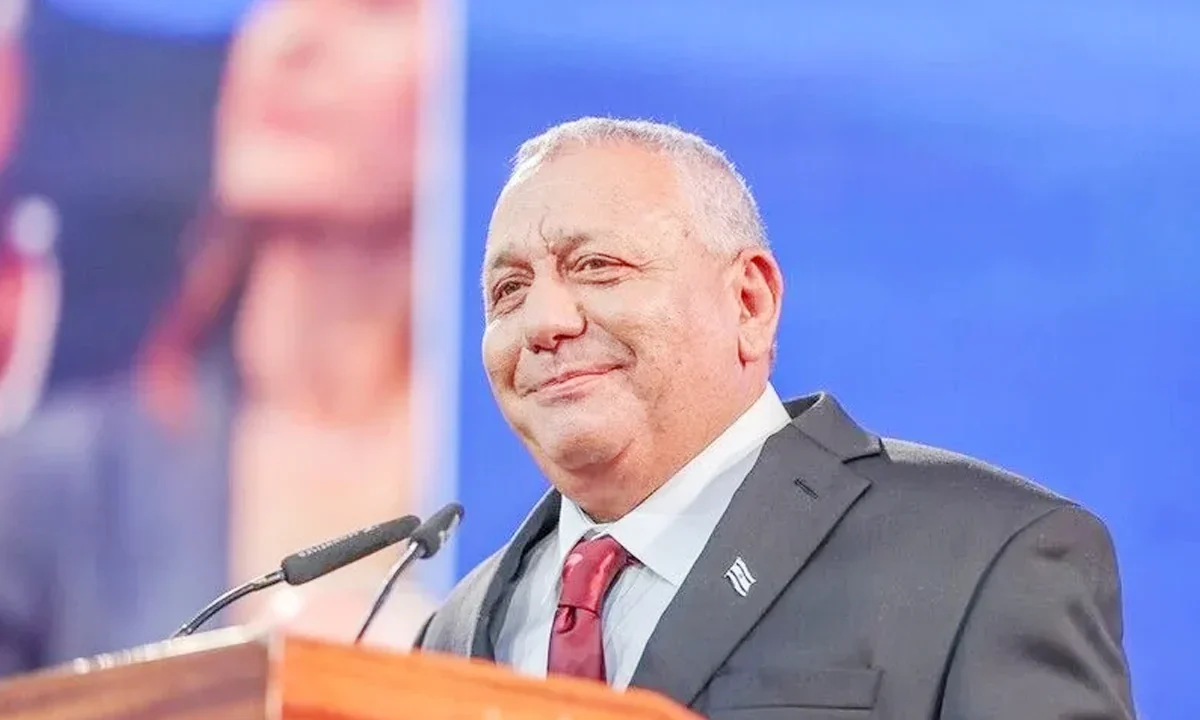
The long-standing strategic partnership between the United States and Israel is currently facing a deep crisis. Growing discontent in Washington—stemming from the war in Gaza, conflicts with Iran, Israeli policies toward the Palestinians, and the actions of Prime Minister Benjamin Netanyahu’s government—has created a significant rift between the two nations. In this context, for former military chief Gadi Eizenkot—a contender for the position of Israel’s next prime minister—rebuilding ties with the United States will be one of his greatest challenges.
According to former US and Israeli diplomats, lawmakers, and political analysts, restoring Washington’s trust will require more than just a change in leadership; it will necessitate tangible shifts in Israel’s policies. Specifically, Israel would need to re-evaluate its stance on the Palestinian issue, the expansion of settlements in the West Bank, military operations in Gaza, and the overall nature of its bilateral relationship with the United States. However, such moves could trigger new internal political conflicts within Israel.
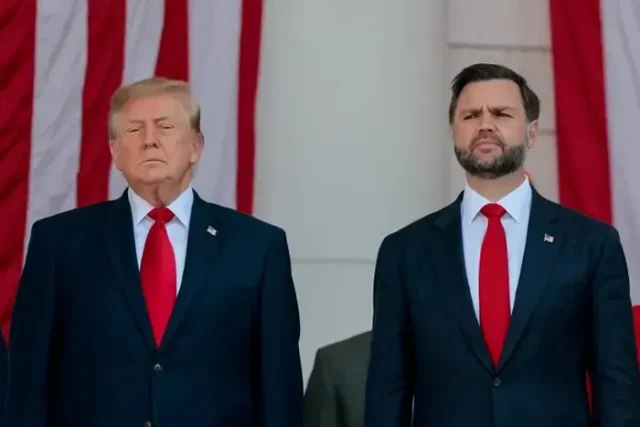
The recent US midterm election results have further highlighted the crisis in the relationship. Before the elections, former President Donald Trump suggested ending the approximately $4 billion in annual military aid provided to Israel. There are also signs of a shift in the traditional US political stance of offering unconditional support to Israel; both Democrats and a segment of the Republican camp have begun to advocate for a reassessment of Washington’s policy toward Israel.
Analysts attribute this to the prolonged war in Gaza, tensions with Iran, and the policies pursued by the Netanyahu government. The long-standing bipartisan consensus in US politics regarding Israel is now under significant strain.
Will replacing Netanyahu be enough to mend the relationship?
Former military chief Gadi Eizenkot has emerged as a potential alternative to Netanyahu within the Israeli political landscape. On November 8, 2026, President Isaac Herzog granted him the first opportunity to form a new government. However, this does not guarantee that he will become the Prime Minister; he must secure the support of various political parties to attain a parliamentary majority.
Upon receiving the mandate to form a government, Eisenkot stated that Israel faces a dire situation—the loss of trust from its close friends and strategic allies. He argued that new leadership and a government of national unity are essential to steer the country out of this crisis.
Some analysts, however, believe that simply replacing Netanyahu with Eisenkot will not automatically normalize relations with the United States. Unless there is a fundamental shift in Israel’s policies, Washington’s dissatisfaction is likely to persist. The new government’s stance on critical issues—such as the expansion of settlements in the West Bank, violence against Palestinians, the humanitarian situation in Gaza, and potential conflict with Iran—will be of particular importance.
What steps could Eisenkot take to mend ties with the United States?
Discussions among former diplomats and analysts highlight several key areas. First, Israel must rebuild its relationship with both major U.S. political parties. Historically, Israel has enjoyed bipartisan support in the U.S.; however, during Netanyahu’s tenure, relations—particularly with the Democratic Party—have deteriorated.
Netanyahu’s close alignment with the Republican Party, along with his 2015 address to Congress—delivered in opposition to then-President Barack Obama—are seen as primary factors that weakened the traditional bipartisan bond between the two nations. Consequently, it will not be enough for Eisenkot to merely maintain good relations with a Republican administration; he must also work to restore trust with the Democratic leadership and lawmakers.
Second, effective measures must be taken to curb the expansion of Israeli settlements in the West Bank and to address violence by settlers. These issues have played a significant role in damaging Israel’s image on the international stage. There is concern among U.S. policymakers regarding attacks on Palestinian homes, evictions, and the construction of new settlements.
Third, a coordinated policy with the United States must be adopted to address the post-war situation in Gaza. It is essential to maintain a ceasefire, increase access for humanitarian aid, facilitate reconstruction, and develop a realistic stance on the future governance of the Palestinians.
Fourth, a new balance must be struck in the relationship with Washington concerning potential military conflict involving Iran. The prospect of a war with Iran has also sparked debate within U.S. domestic politics. There is growing discontent among American citizens regarding the economic and political costs of engaging in a joint military conflict alongside Israel.
Announcement to Halt Aid: A Shift in U.S. Politics
There are signs of a shift in the traditional U.S. position regarding the provision of military aid to Israel. This change is reflected in the call to halt aid—as suggested by Trump—and the growing support within Congress for various anti-Israel proposals.
Even within political circles in Washington—traditionally known for their pro-Israel stance—there is now discussion about imposing policy-based conditions. In particular, adherence to human rights and international law is gaining importance, especially concerning the supply of arms.
According to analysts, Israel must now confront the reality of a relationship where U.S. support is no longer a given. Every aspect of the partnership—including military aid, arms sales, intelligence cooperation, and diplomatic backing—may now be subject to renewed negotiation.
Political Risks Facing Eisenkot
Implementing the policy shifts required to mend ties with the United States will not be easy for Eisenkot. Within Israeli domestic politics, issues such as the Palestinian question, the expansion of settlements, and security policy are highly sensitive.
To form a government, Eisenkot would need the support of various political parties—parties that hold differing views on these matters. Furthermore, while securing the backing of Arab political factions would be politically significant, some leaders within his potential coalition oppose such cooperation.
Eisenkot himself has stipulated the complete disarmament of Hamas as a prerequisite for establishing a new civilian administration in Gaza. Consequently, even if he were to lead a government, it remains unclear to what extent there would be any substantive policy shift regarding Gaza and the Palestinian issue.
On the other hand, advancing the prospect of normalizing relations with Saudi Arabia—and fostering a broader regional settlement—might require Israel to make adjustments concerning Palestinian rights and the situation in the West Bank.
Ultimately, the current crisis in U.S.-Israel relations extends well beyond the personal rapport between the two nations’ leaders; it is deeply intertwined with military cooperation, Middle Eastern geopolitics, the future of the Palestinians, and shifts in the domestic political landscape of the United States.
Should Eisenkot become Prime Minister, he would face a dual challenge: maintaining Israel’s internal political equilibrium while simultaneously rebuilding the relationship with the United States. Analysts suggest, however, that this crisis cannot be resolved merely through increased diplomatic engagement; a genuine, lasting improvement in the relationship will require substantive changes to Israel’s own policies.