The United States has imposed sanctions on the International Criminal Court (ICC) just hours after former ICC judge Navi Pillay was awarded the Nobel Peace Prize. This move by President Donald Trump’s administration on Friday (October 9) has raised concerns about escalating diplomatic tensions between Washington and its European allies, according to Reuters.
US Secretary of State Marco Rubio stated that President Trump would never allow the ICC to prosecute US citizens. He explained that the sanctions aim to restrict the court’s funding and operations by prohibiting transactions with the institution.
In response, the ICC described the move as an attack on the rule of law and the foundations of the international legal system. The court called upon its 125 member states to take measures to safeguard its operations.
In a statement, the ICC noted that it cannot face this situation alone; its future also depends on the states that established it. The issue is not merely about protecting a single institution, but about safeguarding an international system based on the rule of law.
Established in 2002, the ICC adjudicates cases involving war crimes, crimes against humanity, and genocide. The Trump administration has long maintained a hostile stance toward the court. Previously, sanctions were imposed on several of the court’s judges and prosecutors; however, this new measure could also extend to companies providing services to the court.
The US Treasury Department announced that a six-month grace period would be granted before the sanctions take full effect. Exemptions will also apply to transactions related to telecommunications, software, pension payments, and matters concerning detainees.
Washington has criticized the ICC over the issuance of arrest warrants for Israeli officials, including Prime Minister Benjamin Netanyahu. Past investigations by the court into the actions of US troops in Afghanistan also remain a key source of US objection, although the ICC has stated that this investigation is not currently being prioritized. ICC Deputy Prosecutor Nazhat Shameem Khan told Reuters that the aim of these sanctions is to undermine the rule of law at the international level and obstruct the work of independent judicial institutions. However, she stated that investigation and judicial proceedings would continue.
To date, the court has brought charges against more than 70 individuals. Among them are Russian President Vladimir Putin, Netanyahu, several Hamas leaders, former Sudanese President Omar al-Bashir, and former Libyan leader Muammar Gaddafi.
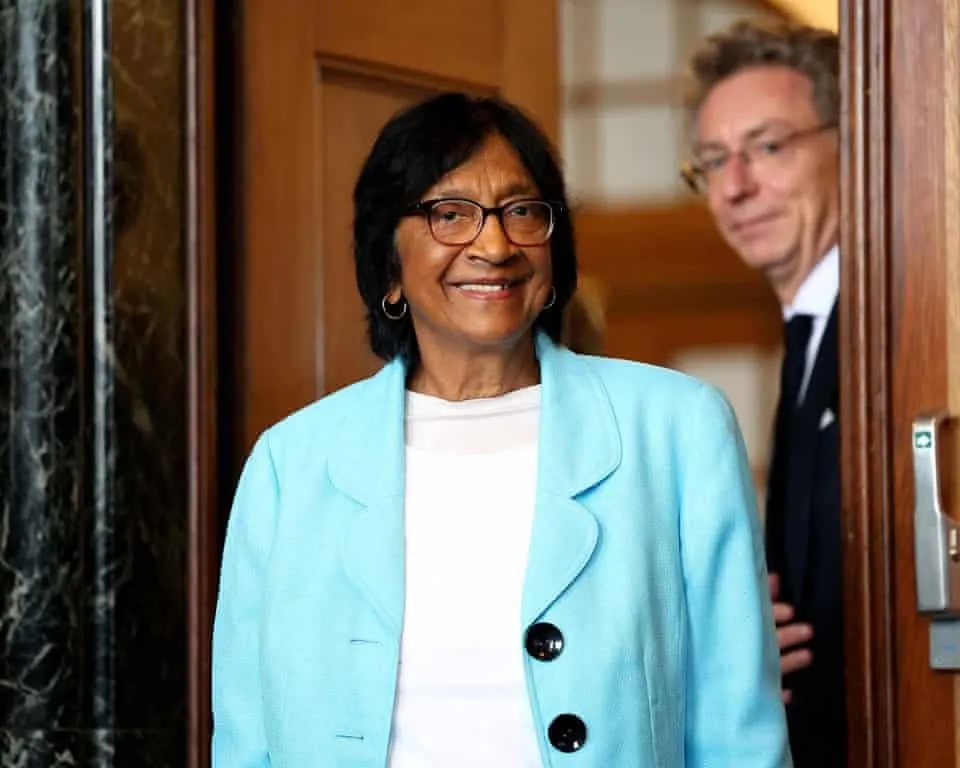
Meanwhile, just hours before the sanctions were announced, South African jurist Navi Pillay received the Nobel Peace Prize. She served as a judge in the ICC’s Appeals Division from 2003 to 2008.
The Nobel Committee stated that the award was given to Pillay to demonstrate support for the international justice system at a time when judges and institutions of international law are facing political attacks.
The ICC’s membership includes all European Union nations and all NATO members, with the exception of the United States and Turkey.
Anticipating the sanctions, court officials had already begun preparations to secure alternative software, banking, and health insurance arrangements.
On the same day, Rubio warned that the United States would take even harsher measures against the ICC if it did not cease its operations.
He also called upon allied nations to exert control over the court.