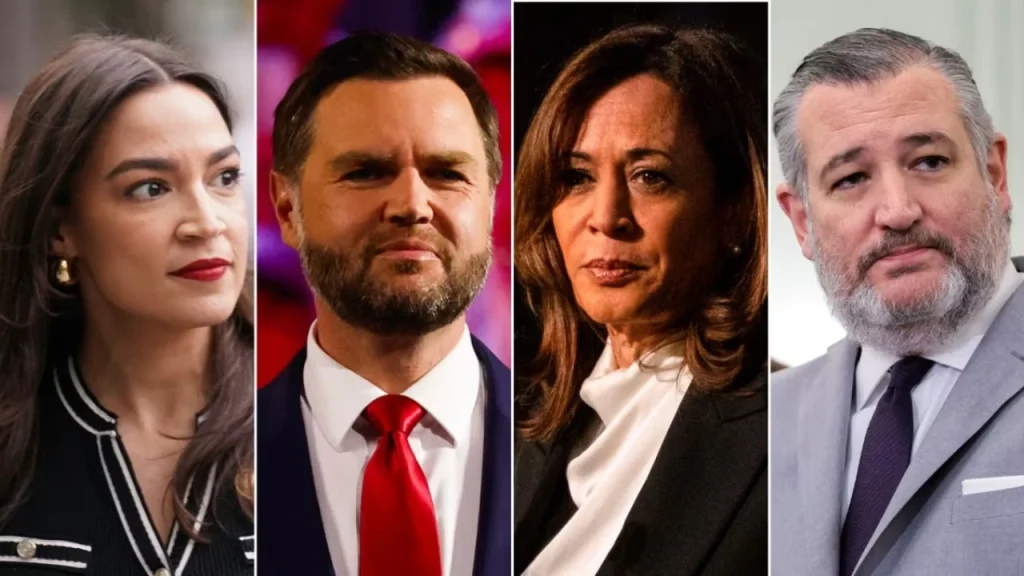
From the left: Alexandria Ocasio-Cortez, J.D. Vance, Kamala Harris, and Ted Cruz.
Preparations for the 2028 presidential election are already gaining momentum, even as US President Donald Trump is only midway through his second term. Potential candidates from both the Democratic and Republican parties are signaling their future roles in national politics while asserting their presence in the midterm election arena. Consequently, speculation regarding a potential successor to Trump in the White House is intensifying.
Prospective Democratic and Republican candidates are hitting the campaign trail in states that serve as crucial hubs for the presidential primary elections. They are articulating their stances on key policy issues. Some have openly expressed their ambition to reach the White House, while others are keeping their options open through suggestive remarks. Meanwhile, some are weighing whether there will even be space for them within their respective parties.
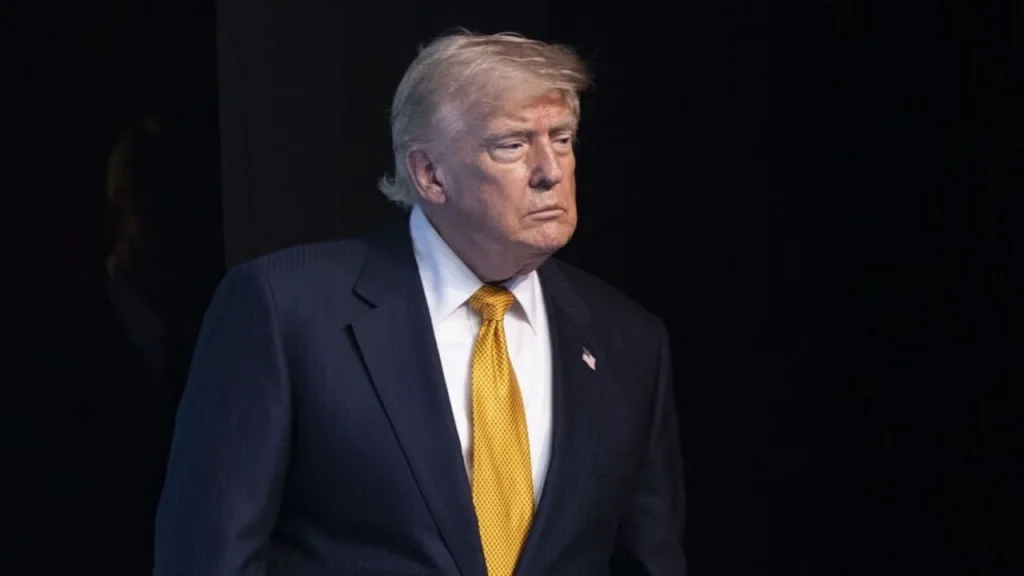
A sense that time is running out has also drawn President Trump into the conversation. He remains reluctant to acknowledge the finite nature of his tenure. In a speech at the UN General Assembly on Tuesday, Trump told Tehran, “I will be here for another two and a half years.”
It is not unusual for potential presidential candidates to become more visible during this period. Midterm elections offer them an opportunity to connect with their party’s base. During this time, they can test campaign messages and strategies, gauge the political landscape, build informal organizational foundations in early-voting states, and secure future political support from the candidates they choose to back.
However, the 2028 election campaign suddenly feels more tangible. One reason for this may be Trump’s precarious political standing, which is creating an atmosphere signaling the end of an era in the US. Simultaneously, having weathered the shock of their 2024 presidential election defeat, Democrats have finally begun the process of political rebuilding.
Memories of that 2024 disaster remained fresh even on Tuesday. During that election, former Vice President Kamala Harris—the party’s last-minute candidate—visited Michigan to unite Democrats and rally support for Senate candidate Abdul El-Sayed.
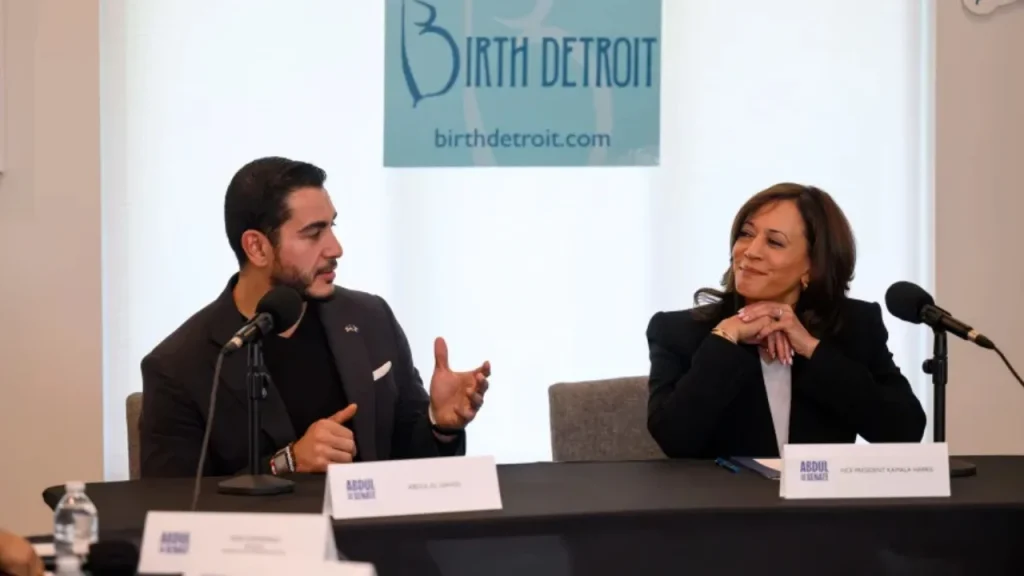
Harris is not the only potential Democratic candidate for 2028 making their political presence felt. New York Representative Alexandria Ocasio-Cortez is building a strong progressive political campaign; although she has yet to secure her own re-election, speculation regarding a potential presidential bid in 2028 is growing. Leaders such as Illinois Governor J.B. Pritzker, Kentucky Governor Andy Beshear, and Pennsylvania Governor Josh Shapiro are also working to establish their positions.
In the Republican camp, every word and action of Vice President J.D. Vance is garnering significant attention. He is preparing himself for the challenging political reality of potentially becoming a presidential candidate while operating in Trump’s shadow. Several other potential Republican candidates, including Senators Ted Cruz and Rand Paul, are also openly considering a run for the presidency.
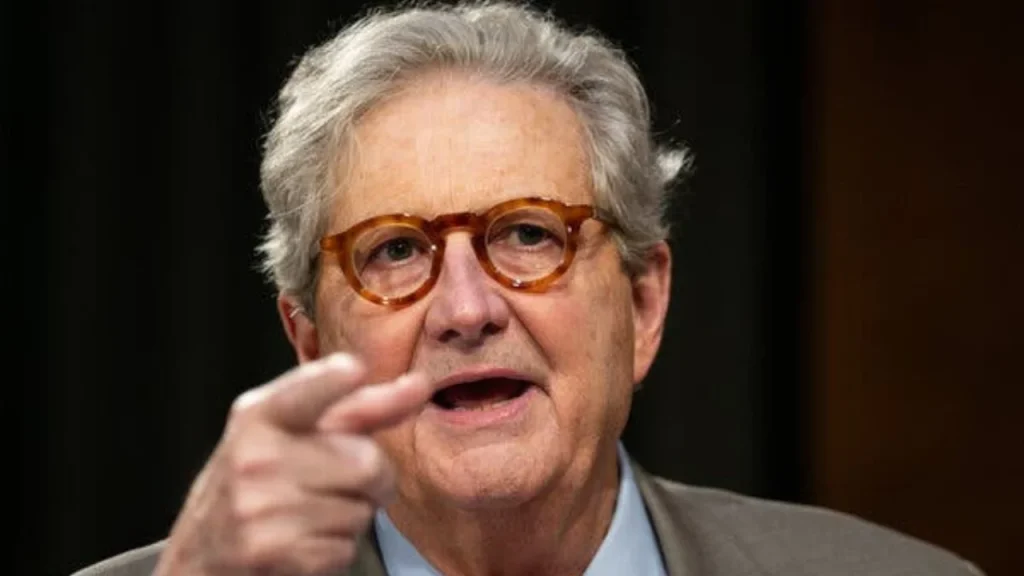
Even 74-year-old Louisiana Senator John Kennedy stated in an article published on Tuesday that he would run for re-election to the Senate. However, he hinted that if the field of presidential candidates consisted of a “bunch of idiots,” he might consider vying for the top office himself.
This is the early preparatory phase of the presidential election cycle—a time when countless politicians look in the mirror and ask themselves, “Why not me?” At a time when American democracy is facing various trials, the commencement of this early stage of presidential election preparations is, at the very least, a promising sign.
With the presidential nominations for both major parties wide open, the 2028 election promises to usher in a new chapter in American politics. The Republican Party’s eventual nominee must decide whether to embrace the future of the “Make America Great Again” (MAGA) movement or to return to the party’s long-standing, traditional conservative roots.
On the other hand, the Democrats need a candidate capable of uniting supporters from both progressive and moderate factions. While an anti-Trump stance could prove effective in the midterm elections, polls also reveal lingering voter sentiment reflecting the loss of confidence in the Democratic Party during Joe Biden’s presidency.
Speculation regarding potential White House contenders intensified following the publication of a compelling interview with New York Democratic Representative Alexandria Ocasio-Cortez on Tuesday. Her midterm campaign in New York positions her as a likely successor to Bernie Sanders’ progressive movement. She is also adept at creating high-profile, viral moments that define the politics of the Trump era; a recent example of this was her announcement last August regarding her decision to freeze her eggs.
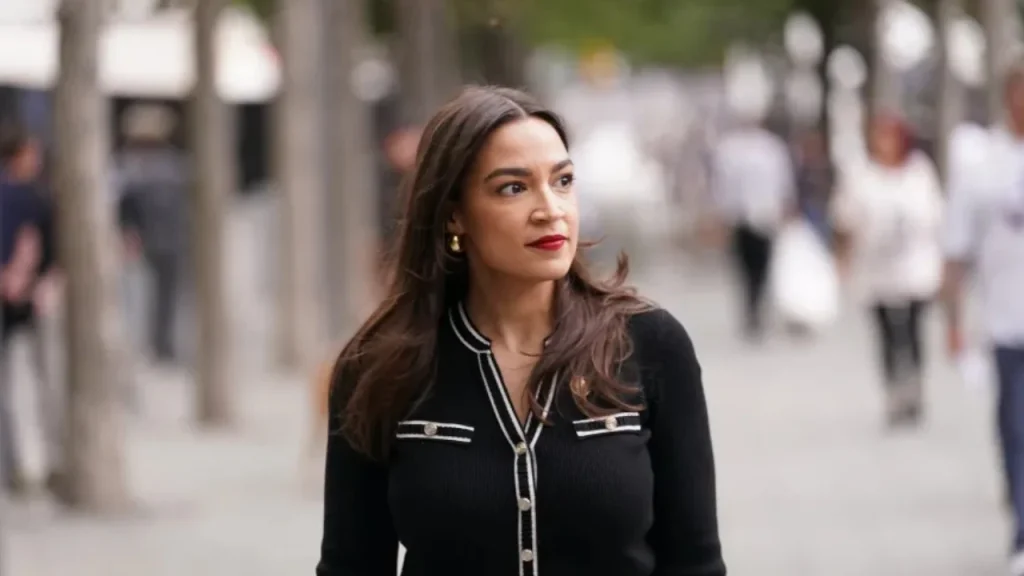
Ocasio-Cortez, who is soon turning 37, told *The New York Times* that she is pondering an open-ended question that could become significant in a presidential campaign. In her words, “Some people think this is a particular political moment, and in politics, you often get only one shot.”
However, she also noted that two of the last three Democratic presidential nominees were women, and both lost. Alluding to questions regarding her own prospects, Ocasio-Cortez said, “I am a woman and I am Latina. And I think there is a lot of discussion about electability.”
Kamala Harris also embodies this issue. She has kicked off her autumn political agenda in Michigan—one of the seven key states lost to Trump in the 2024 election. However, she has not yet decided whether she will run for president again in 2028.
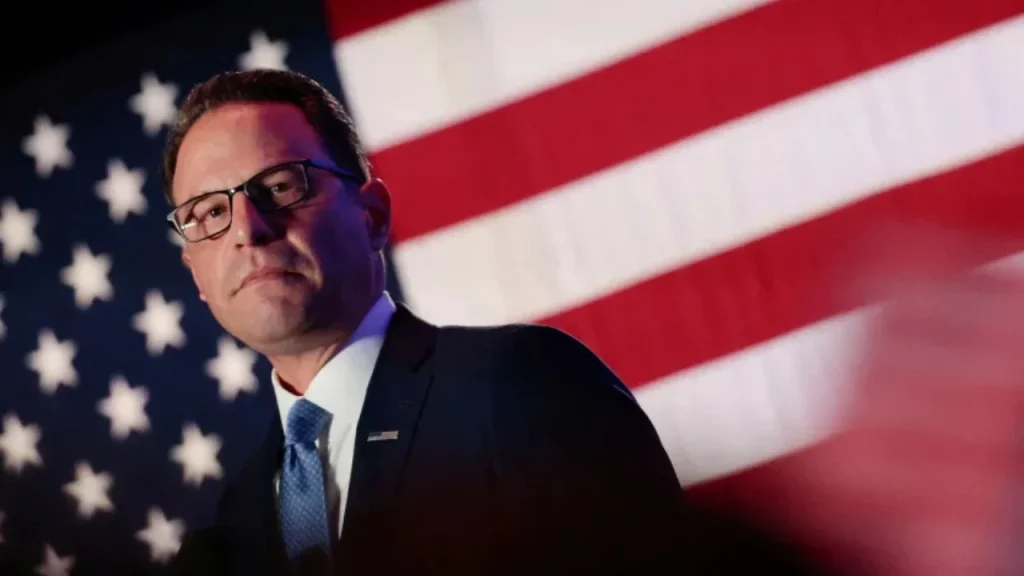
Meanwhile, other Democratic leaders are already positioning themselves. Several governors are among them. Pennsylvania Governor Josh Shapiro—who appears to be comfortably heading toward re-election in his state—spoke last week on a critical national issue: whether artificial intelligence should be regulated. He also criticized statements dismissing concerns about the technology’s destructive potential as “baseless.”
On Tuesday, Kentucky Governor Andy Beshear released his new book, *Go and Do Likewise: How We Heal a Broken Country*. Publishing such a book is a long-standing political strategy used to build a national profile.
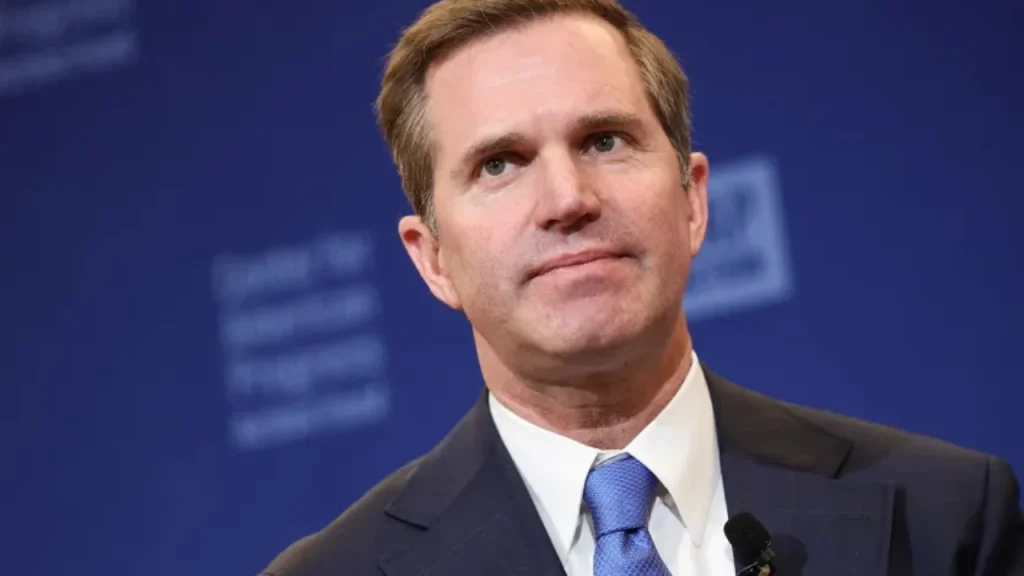
Beshear told CNN’s Kaitlan Collins on Monday, “We need to go to places we haven’t visited in a long time. We need to reach out to people in coal-mining regions and farming communities, and listen to their needs.” When asked if he would run for president in 2028, Beshear said, “I haven’t made any decision on that.”
Illinois Governor J.B. Pritzker has also demonstrated the capacity to challenge Trump politically. However, he has recently drawn attention for a more personal reason—after news emerged that he was using GLP-1 class drugs for weight loss. He told CBS News that his current focus is on his re-election bid and that he has “not made any decision” regarding his future plans.
Another political rival of Trump, Arizona Senator Mark Kelly, addressed the possibility of a presidential run at the Atlantic Festival last week, stating, “The answer is, I might run, but I haven’t decided yet.”
Trump has certainly enjoyed joking about potential successors like Vance and Secretary of State Marco Rubio. However, this game might not remain quite as amusing once Trump becomes a “lame duck” president. Vice President-elect Vance is widely viewed as a frontrunner among potential Republican presidential candidates. Yet, there has been no indication so far that Rubio intends to run for president.
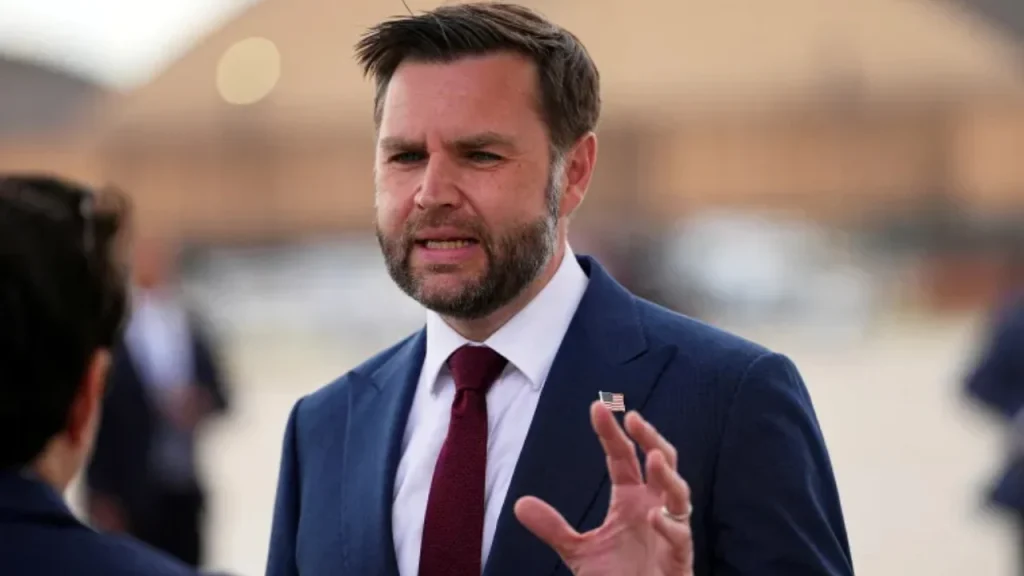
Vance visited Iowa on Friday. The state is a key hub for Republican primary elections, and the stakes involved in presidential campaigning there are significant. In this state, known as a Republican stronghold, the impact of Trump’s unpopularity has reached a point where the battles for the Senate and the governorship have unexpectedly become highly competitive.
Former presidential candidate Ted Cruz—who finished second to Trump in the 2016 Republican nomination race after winning contests in 11 states—appears interested in entering the fray again. Speaking on Texas Lieutenant Governor Dan Patrick’s podcast in August, Cruz said, “I want to be president—that’s no secret.” However, he has not yet made a final decision.
The list of potential Republican candidates also includes Texas Governor Greg Abbott, outgoing Florida Governor and 2024 Republican contender Ron DeSantis, and Florida Senator Rick Scott.
Kentucky Senator Rand Paul is advocating for the need for a free-market, anti-tariff candidate to balance the Trump-style populist politics. Could he be that candidate himself? Paul told *The Washington Post* that his decision on whether to run is currently a “50-50” proposition.
However, there may well be a potential candidate whom no one has considered yet; after all, before Trump’s rise shattered the Republican Party’s established order in 2016, many viewed him merely as a figure of ridicule. Democrats, too, appear to be bracing for a similar kind of populist surge within their own ranks.
The identity of the next president may not be the most critical issue at this moment; the final results of the midterm elections and the war involving Iran are currently of greater importance.
However, when America wakes up on the morning of November 4—starting a new day after having watched John King announce the congressional election results on CNN’s ‘Magic Wall’ the night before—the race for the next presidency will truly begin.
And both parties will increasingly begin to look toward a post-Trump future.