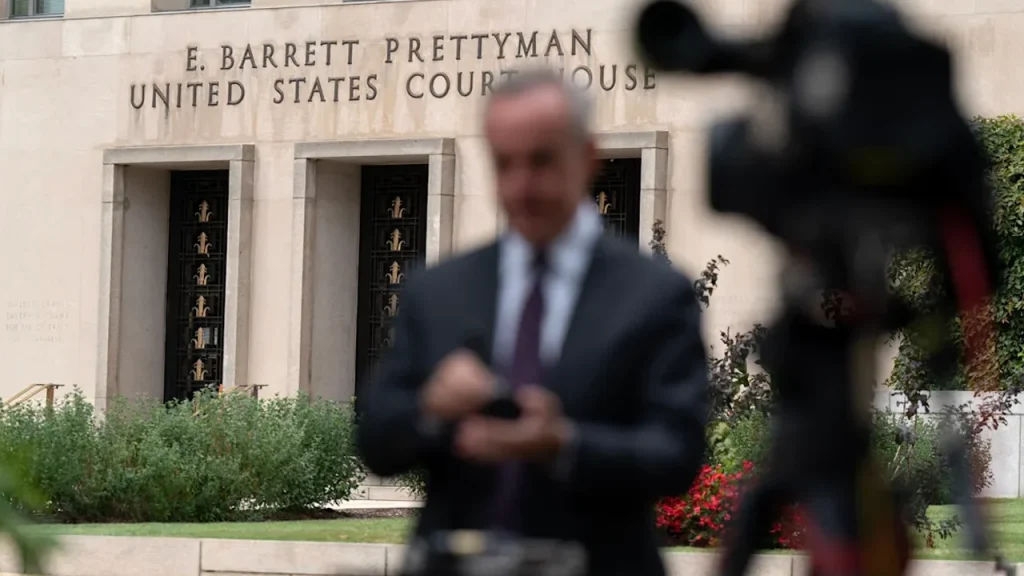
A US federal court has ordered the restoration of access to the White House for three news outlets that had been banned.
In an order issued early Thursday, the court temporarily suspended the ban imposed by President Donald Trump. Simultaneously, it directed that journalists from CNN, MSNBC, and Politico be granted access to the White House.
This marks the latest development in the ongoing conflict between Trump and news outlets that publish coverage he dislikes. On September 18, Trump banned these three outlets from the White House grounds, criticizing their reporting as “fake news.” He later stated that publishing negative news about him was dangerous for the country.
CNN, MSNBC, and Politico challenged the ban in court, arguing that they were singled out due to the content of their reporting.
They contended that this constituted viewpoint-based discrimination and a clear violation of the First Amendment to the US Constitution.
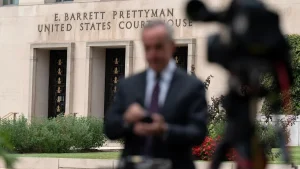
In the order issued after midnight on Thursday, US District Judge Timothy Kelly stated that the news outlets had met the legal requirements for a temporary restraining order. These requirements include a likelihood of success on the merits of the case and the risk of irreparable harm if the court order were not granted.
Kelly wrote, “This is a difficult legal standard. But the plaintiffs have met it.”
Judge Kelly heard the case on Wednesday but did not issue an immediate ruling at the time. On Thursday, he issued a temporary restraining order valid for 14 days. Such orders are typically issued to maintain the status quo until the court completes a detailed review of the case.
During the hearing, Kelly questioned whether the Trump administration had afforded CNN, MSNBC, and Politico due process before imposing the ban.
There are previous court rulings regarding media access—one of which reached the US Supreme Court—establishing that journalists must be given an opportunity to present their side before their press passes are revoked. However, Justice Department lawyer Michael Velchik argued that the rulings in previous cases were incorrect.
Judge Kelly noted that there are prior court rulings regarding such First Amendment cases; even if the government disagrees with those rulings, precedents from comparable cases would be taken into account in reaching a decision.