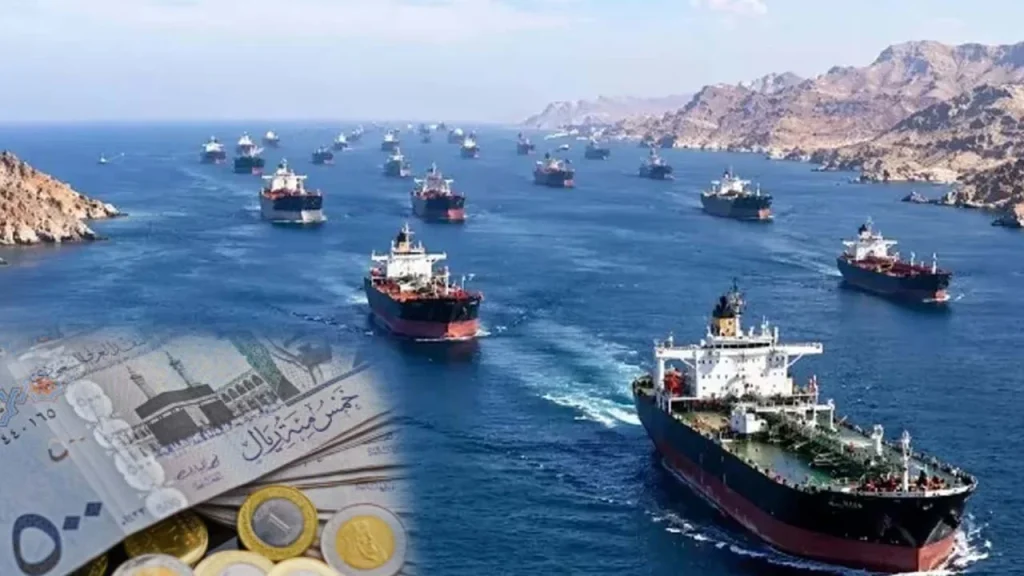
Gulf Arab nations are facing significant economic risks due to the halt in traffic through the Strait of Hormuz. Analysts believe that the pre-conflict conditions, which allowed for the seamless transport of goods and fuel, are unlikely to return. Consequently, Arab nations may need to reach a new understanding with Iran to manage the situation.
Sultan Barakat, a professor of public policy at Hamad Bin Khalifa University in Qatar, told Al Jazeera that the likelihood of unrestricted cargo movement resuming in the Strait of Hormuz is very low. He believes Iran is particularly unlikely to agree to allow armed military vessels linked to the United States or Israel to pass freely through this waterway in the future.
According to Barakat, global markets are already adapting to this new reality caused by the disruption of traffic in the Strait of Hormuz and other vital maritime routes. In this context, reaching some form of agreement with Iran has become crucial for Gulf Arab states.
He stated that Arab nations must agree to a new arrangement, as they are ultimately bearing the heaviest economic cost of the deadlock in the Strait of Hormuz.
The analyst noted that approximately 90 percent of these countries’ exports are effectively stalled. International markets are not waiting for a return to normalcy; instead, buyers and traders are finding alternative routes daily to ensure supplies.
While the development of alternative transport systems has led to higher commodity prices in the international market, Barakat noted that no major crisis in the supply chain has emerged so far. He observed that various parties are utilizing alternative sources and transport routes to manage market conditions.
However, a prolonged deadlock in the Strait of Hormuz could place even greater strain on Gulf economies. Therefore, to adapt to the situation and safeguard their export and commercial interests, Arab nations may need to pursue a new agreement with Iran.