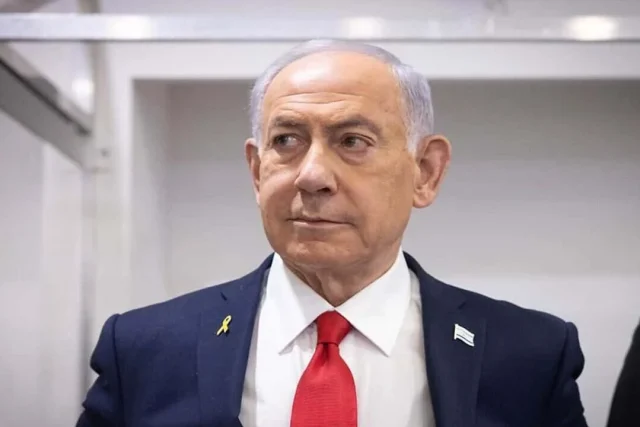

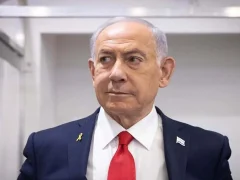



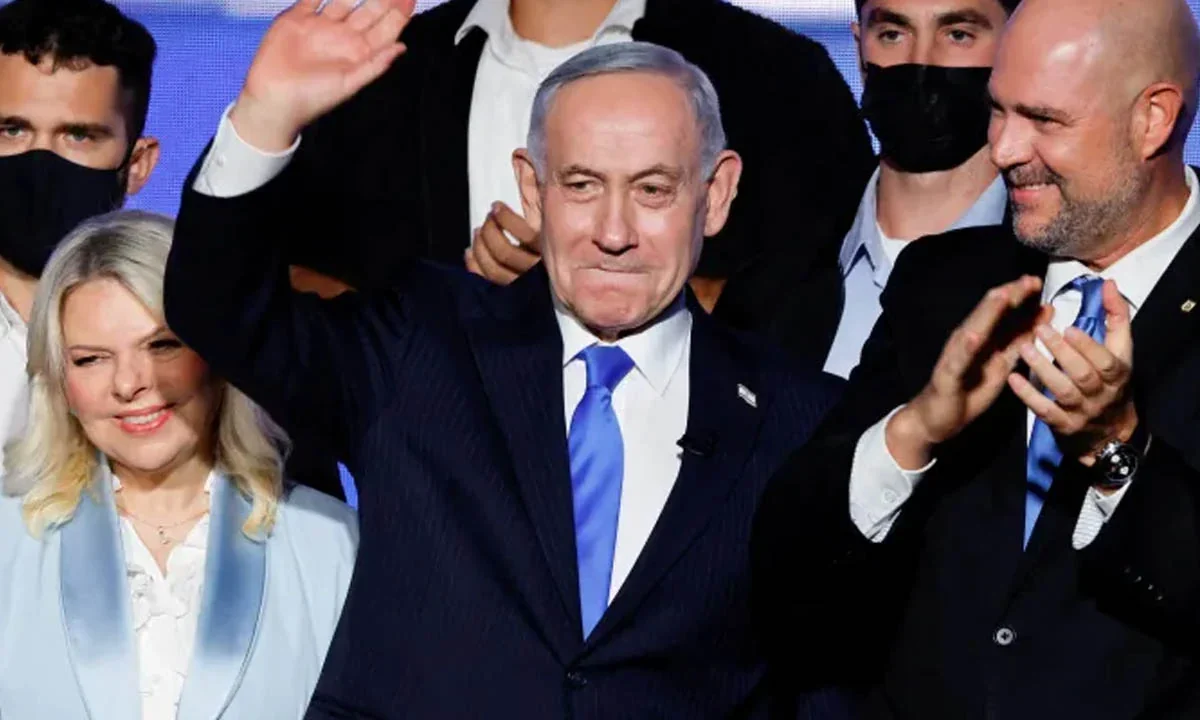
As no side secured an absolute majority in Israel’s elections, Benjamin Netanyahu is likely to remain in charge as the Prime Minister of a caretaker government.
With approximately 86 percent of the votes counted, projections from the country’s three major broadcasters indicate that Netanyahu’s right-wing coalition could secure 53 seats in the 120-member Knesset. Meanwhile, the coalition led by opposition figure Gadi Eisenkot is projected to win 48 seats, while parties representing Arab Israelis could secure 19 seats.
Consequently, there is no realistic path for Eisenkot to attain power without substantial support from the Arab parties.
Since Eisenkot’s coalition performed below expectations, removing Netanyahu from power has become difficult. Netanyahu will serve as the caretaker Prime Minister while discussions regarding the formation of a new government take place. He could potentially remain in this role until another election is held next year, if necessary.
Experts note that while a caretaker government faces certain limitations, it still wields significant authority—including the power to make decisions on matters such as a potential war with Iran.
In a speech to supporters of his Likud party early Wednesday, Netanyahu called for the formation of a strong, right-wing national government. He also alluded to the possibility of conducting joint military operations with the United States against Iran. U.S. President Donald Trump praised Netanyahu’s electoral performance, claiming that his own support had played a role in the outcome.
Conversely, Eisenkot warned that as the head of a caretaker government, Netanyahu lacks a full political mandate. He urged the country’s security and government officials to resist any attempts to exploit the security apparatus for political gain.
The election results also exerted pressure on Israel’s financial markets. The national currency, the shekel, fell by approximately 1.6 percent against the U.S. dollar, reaching a rate of 3.10 shekels to the dollar. Major stock market indices in Tel Aviv also fell by more than 3 percent.
According to analysts, the results indicate a strengthening of right-wing political influence among Israel’s Jewish voters. This was the country’s first election since the Hamas attack on October 7, 2023. The war in Gaza, the conflict with Iran, and Israel’s growing international isolation served as the critical backdrop for the election.
Voter turnout reached 77.7 percent—the highest in over two decades. Notably, there was a significant turnout among Palestinian-origin Israelis. However, even if Arab parties secure more seats, obtaining their support to form a government—should an opposition coalition attempt to do so—may prove difficult. Most Jewish political leaders are reluctant to enter into formal alliances with Arab parties.