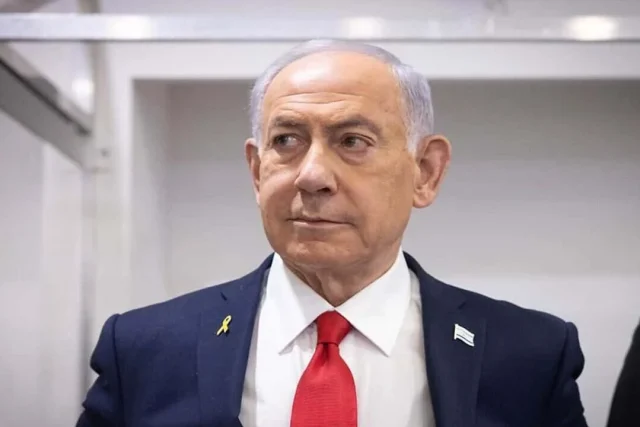
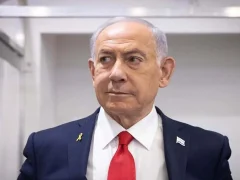



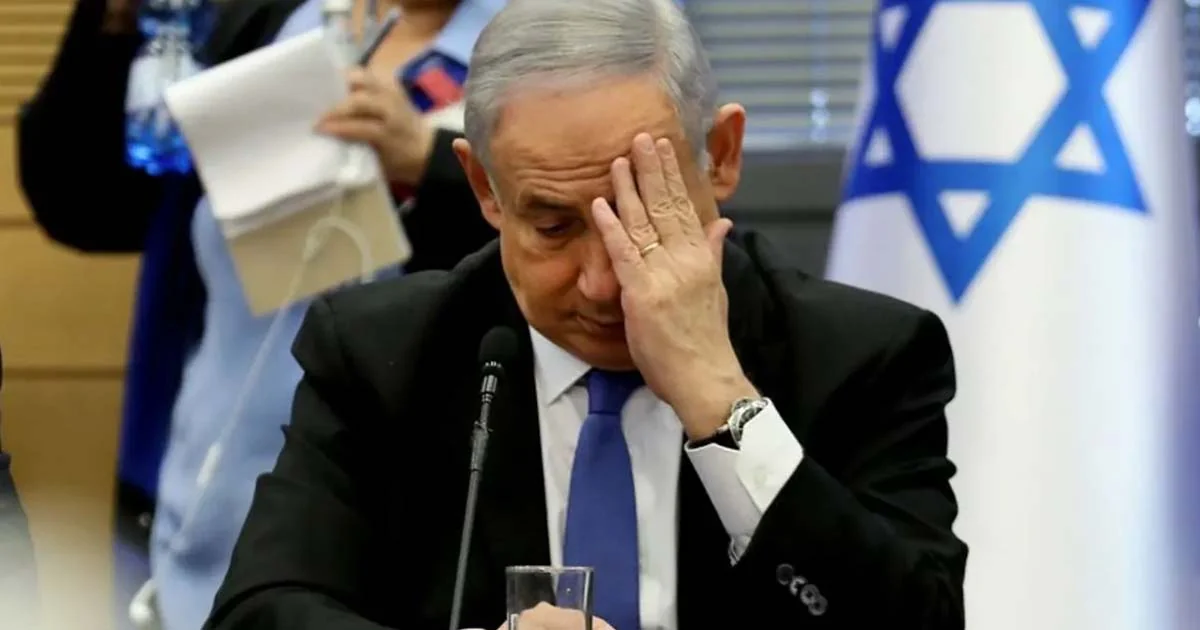
Uncertainty is mounting surrounding the elections for the Knesset, Israel’s parliament. Incumbent Prime Minister Benjamin Netanyahu and his Likud party fear they may fall behind in the results. In particular, a high turnout among Arab-Israeli voters could shift the electoral landscape. Given this, Netanyahu has made a last-minute appeal to his supporters to head to the polls and cast their votes.
Voting is scheduled to conclude at 2:00 AM Bangladesh time tonight. Arab-Israelis—or Israeli-Palestinians—make up approximately 20 percent of Israel’s total population. An increase in voter turnout from this demographic has raised concerns that Netanyahu’s party could see a reduction in its number of parliamentary seats.
Israel’s elections follow a proportional representation (PR) system, where a party’s number of seats in parliament generally corresponds to the share of the vote it receives. However, securing fewer seats does not necessarily mean Netanyahu must relinquish power; he could still remain Prime Minister if he manages to secure the majority required to form a government.
A report by Al Jazeera on Wednesday outlined several potential scenarios for government formation in Israel following the election results.
In the first scenario, even if the Likud party wins fewer seats than expected, Netanyahu could potentially form a coalition with his current allies. He might also seek to bring smaller parties into the fold to reach the 61-seat majority needed in parliament. If successful, he could remain in power despite a weaker electoral performance.
In the second scenario, the party of Netanyahu’s main rival—Gadi Eisenkot—could secure a higher number of seats. If they manage to gain a majority with the support of other parties, a new government could be formed under his leadership. In this context, the Arab party Ra’am could play a pivotal role; by joining the opposition bloc, they could pave the way for the formation of a new government. Ra’am played a similarly significant role during the government-formation process in 2021. A third possibility is that Netanyahu and Gadi Eisenkot could join forces to form a coalition government to avoid a political stalemate. Such an administration is known as a “national unity government.” It could include the two main rivals, as well as representatives from other political parties.
According to reports, the United States has suggested the formation of such a government in Israel. A national unity government could serve as an alternative when political divisions make it difficult for any single side to form a government on its own.
Source: Al Jazeera