The Houthis have claimed responsibility for a major attack on two Saudi oil tankers in the Red Sea. The Iran-backed Yemeni armed group identified one of the targeted tankers as the ‘Enselia’ and the other as the ‘Laila’.
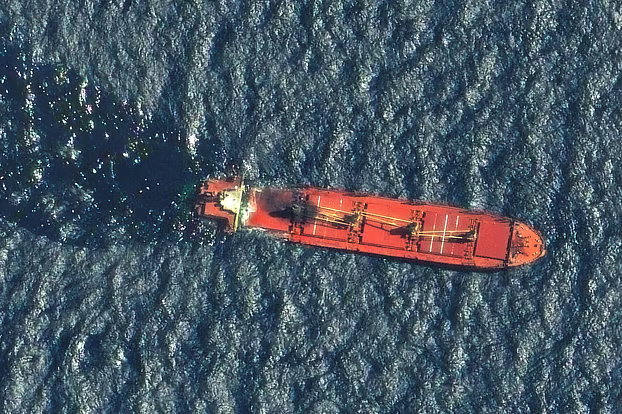
According to the UK Maritime Trade Operations, one of the tankers was positioned approximately 70 nautical miles (about 130 kilometers) off the Saudi coast at the time of the attack. The tanker caught fire following the strike, though there have been no reports of casualties.
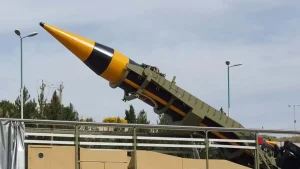
The Houthis claimed that the attack involved the simultaneous use of ballistic missiles, cruise missiles, and drones. This resulted in massive fires breaking out on the tankers, causing extensive damage.
The Houthis described the action as a “retaliatory attack” against Saudi Arabia, framing it as a case of “blockade for blockade.” They stated that Saudi Arabia has imposed a blockade on the people of Yemen for 12 years, and the time had come for the Houthis to respond.
“The Houthis described the action as a ‘retaliatory attack’ against Saudi Arabia, framing it as a case of ‘blockade for blockade.’ They stated that Saudi Arabia has imposed a blockade on the people of Yemen for 12 years, and the time had come for the Houthis to respond.”
Oil transport through the Strait of Hormuz has already been significantly disrupted due to tensions involving Iran. Now, the Houthi attack on Saudi oil tankers in the Red Sea is also challenging the fuel supply route through the Bab al-Mandab Strait—another critical artery for global energy supplies.
Saudi Arabia has confirmed the attack in the Red Sea. Citing an official from the country’s transport authority, the local news agency SPA reported that the vessel ‘Enselia’ was damaged in the strike, which caused a fire to break out on board.
The source added that all crew members are safe. Authorities have taken necessary measures to ensure the safety of the vessel and its crew, as well as to protect the marine environment. With the Strait of Hormuz blocked, Saudi Arabia was transporting several million barrels of oil daily via pipeline to the port of Yanbu for export through the Red Sea. Consequently, the Red Sea emerged as the primary alternative route for transporting oil from the Gulf region.
Earlier, in a letter sent to shipping companies, the Houthis threatened to attack any vessel involved in loading or unloading Saudi oil.
With the Strait of Hormuz blocked, Saudi Arabia was transporting several million barrels of oil daily via pipeline to the port of Yanbu for export through the Red Sea. Consequently, the Red Sea emerged as the primary alternative route for transporting oil from the Gulf region.