A delicate understanding currently exists between the United States and Iran; if it holds, it could bring about significant changes in Middle Eastern geopolitics. Qatar and Pakistan are playing the role of mediators in this arrangement.
In a recent interview with the Financial Times, Qatari Prime Minister and Foreign Minister Sheikh Mohammed bin Abdulrahman Al Thani stated that Gulf nations are attempting to build a new regional security framework with Iran, aimed at ensuring long-term stability.
Qatar has long pursued a relatively conciliatory policy toward Iran. The country shares the world’s largest gas field (North Field/South Pars) with Iran and relies almost entirely on the Strait of Hormuz for its imports and exports. At the same time, Qatar hosts a crucial base for the US Central Command (CENTCOM). These two realities have positioned Qatar as a key mediator in the current conflict. Diplomatic mediation is also a cornerstone of Qatar’s foreign policy.
Lack of Confidence in the US Security Umbrella
For a long time, the United States was the primary security partner for Gulf nations, while they viewed Iran as their greatest security threat. However, since the Arab Spring, a perception has grown in these countries that the US is gradually shifting its focus away from the Middle East and toward the Indo-Pacific region to counter China.
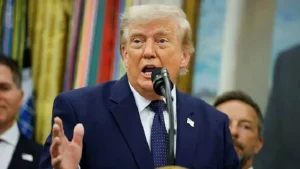
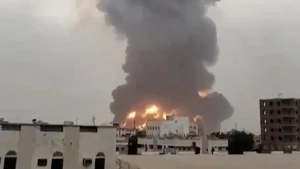
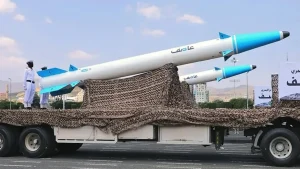
Although the Donald Trump administration temporarily alleviated some of these concerns, the recent conflict involving Iran has brought them back to the forefront. During the hostilities, US military bases and equipment stationed in Gulf countries became liabilities, as Iran repeatedly targeted these facilities. Concurrently, reports emerged that the US had relocated some military assets from the Gulf region to Israel.
Analysts in the Gulf region openly complain that the United States has failed to provide the security expected by its allies. Meanwhile, The Wall Street Journal has reported that following damage to a US base in Bahrain, the Pentagon is considering reducing its military presence in Kuwait and Saudi Arabia and relocating some operations to Israel.
Iran Could Emerge Stronger
If the current agreement proves long-lasting, the US presence in the Middle East could diminish further, while the limitations of American influence would become increasingly apparent. Should sanctions on Iran be lifted—allowing it to freely export oil and gas, reclaim billions of dollars in frozen assets, and establish a $300 billion reconstruction fund—Iran could emerge as one of the region’s most powerful states in the post-conflict era, despite the economic and military losses it has sustained. Tehran’s strategic importance would be further bolstered by its shared role with Oman in controlling the Strait of Hormuz.
Prospects for a New Security Alliance
In this scenario, Gulf nations—while maintaining ties with the US—will likely seek alternative security arrangements. Many countries may wish to forge new types of agreements with Iran to avert future conflicts, even though deep-seated mutual mistrust persists. China is emerging as a natural alternative in this context. Over the past few years, Beijing has strengthened relations with both Iran and the member states of the Gulf Cooperation Council (GCC). Furthermore, the majority of China’s energy imports originate from this region; consequently, China’s influence in the Middle East is expected to grow.
However, analysts believe that while China may expand economic cooperation and arms sales, it is unlikely to join a direct military alliance.
Potential Closer Ties Among Qatar, Oman, and Iran
It is anticipated that two distinct blocs could emerge within the new regional security framework. The first group might comprise Qatar, Oman, and Iran. Factors such as shared gas fields with Iran, reliance on the Strait of Hormuz, and historical ties could draw Qatar closer to Tehran; Oman might adopt a similar stance.
The Saudi-Pakistan-Egypt Axis
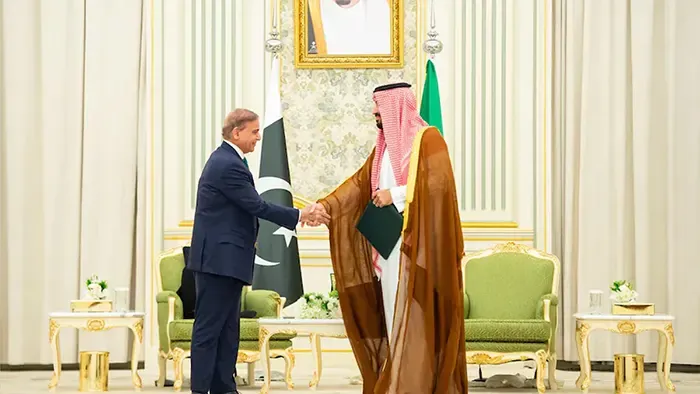
On the other hand, a separate security alliance could form involving Saudi Arabia, Pakistan, and Egypt. Saudi-Pakistan military ties are long-standing, and a mutual defense agreement signed between the two nations last year has added a new dimension to that relationship. Although Saudi Arabia and Iran took steps to normalize relations in 2023 through Chinese mediation, recent conflicts have once again brought the deep mistrust between the two nations to the fore. While Pakistan deployed fighter jets and troops to Saudi Arabia to handle potential military contingencies during past conflicts, no significant Saudi military assistance was evident during Pakistan’s recent crisis regarding Afghanistan.
Egypt, which is economically dependent on Saudi Arabia, could also join such an alliance in the future. Kuwait, being a close ally of Saudi Arabia, might also align itself with this group.
Stances of Turkey and the UAE
Although Turkey is viewed as a potential member of a Sunni alliance, its status as a NATO member makes it difficult to formally join another military bloc. Furthermore, a lack of trust persists between Ankara, Saudi Arabia, and Egypt. At the same time, Turkey may continue to pursue a policy of balancing, given its close ties with Qatar and its moderate stance regarding Iran.
The Middle East on the Verge of Splitting into Two New Blocs
A delicate understanding currently exists between the United States and Iran; if it holds, it could bring about significant changes in Middle Eastern geopolitics. Qatar and Pakistan are playing the role of mediators in this arrangement.
In a recent interview with the Financial Times, Qatari Prime Minister and Foreign Minister Sheikh Mohammed bin Abdulrahman Al Thani stated that Gulf nations are attempting to build a new regional security framework with Iran, aimed at ensuring long-term stability.
Qatar has long pursued a relatively conciliatory policy toward Iran. The country shares the world’s largest gas field (North Field/South Pars) with Iran and relies almost entirely on the Strait of Hormuz for its imports and exports. At the same time, Qatar hosts a crucial base for the US Central Command (CENTCOM). These two realities have positioned Qatar as a key mediator in the current conflict. Diplomatic mediation is also a cornerstone of Qatar’s foreign policy.
Lack of Confidence in the US Security Umbrella
For a long time, the United States was the primary security partner for Gulf nations, while they viewed Iran as their greatest security threat. However, since the Arab Spring, a perception has grown in these countries that the US is gradually shifting its focus away from the Middle East and toward the Indo-Pacific region to counter China.
Although the Donald Trump administration temporarily alleviated some of these concerns, the recent conflict involving Iran has brought them back to the forefront. During the hostilities, US military bases and equipment stationed in Gulf countries became liabilities, as Iran repeatedly targeted these facilities. Concurrently, reports emerged that the US had relocated some military assets from the Gulf region to Israel.
Analysts in the Gulf region openly complain that the United States has failed to provide the security expected by its allies. Meanwhile, The Wall Street Journal has reported that following damage to a US base in Bahrain, the Pentagon is considering reducing its military presence in Kuwait and Saudi Arabia and relocating some operations to Israel.
Iran Could Emerge Stronger
If the current agreement proves long-lasting, the US presence in the Middle East could diminish further, while the limitations of American influence would become increasingly apparent. Should sanctions on Iran be lifted—allowing it to freely export oil and gas, reclaim billions of dollars in frozen assets, and establish a $300 billion reconstruction fund—Iran could emerge as one of the region’s most powerful states in the post-conflict era, despite the economic and military losses it has sustained. Tehran’s strategic importance would be further bolstered by its shared role with Oman in controlling the Strait of Hormuz.
Prospects for a New Security Alliance
In this scenario, Gulf nations—while maintaining ties with the US—will likely seek alternative security arrangements. Many countries may wish to forge new types of agreements with Iran to avert future conflicts, even though deep-seated mutual mistrust persists. China is emerging as a natural alternative in this context. Over the past few years, Beijing has strengthened relations with both Iran and the member states of the Gulf Cooperation Council (GCC). Furthermore, the majority of China’s energy imports originate from this region; consequently, China’s influence in the Middle East is expected to grow.
However, analysts believe that while China may expand economic cooperation and arms sales, it is unlikely to join a direct military alliance.
Potential Closer Ties Among Qatar, Oman, and Iran
It is anticipated that two distinct blocs could emerge within the new regional security framework. The first group might comprise Qatar, Oman, and Iran. Factors such as shared gas fields with Iran, reliance on the Strait of Hormuz, and historical ties could draw Qatar closer to Tehran; Oman might adopt a similar stance.
The Saudi-Pakistan-Egypt Axis
On the other hand, a separate security alliance could form involving Saudi Arabia, Pakistan, and Egypt. Saudi-Pakistan military ties are long-standing, and a mutual defense agreement signed between the two nations last year has added a new dimension to that relationship. Although Saudi Arabia and Iran took steps to normalize relations in 2023 through Chinese mediation, recent conflicts have once again brought the deep mistrust between the two nations to the fore. While Pakistan deployed fighter jets and troops to Saudi Arabia to handle potential military contingencies during past conflicts, no significant Saudi military assistance was evident during Pakistan’s recent crisis regarding Afghanistan.
Egypt, which is economically dependent on Saudi Arabia, could also join such an alliance in the future. Kuwait, being a close ally of Saudi Arabia, might also align itself with this group.
Stances of Turkey and the UAE
Although Turkey is viewed as a potential member of a Sunni alliance, its status as a NATO member makes it difficult to formally join another military bloc. Furthermore, a lack of trust persists between Ankara, Saudi Arabia, and Egypt. At the same time, Turkey may continue to pursue a policy of balancing, given its close ties with Qatar and its moderate stance regarding Iran.