Saudi Arabia and the United Arab Emirates (UAE) have urged the United States to maintain the sanctions and naval blockade imposed on Iran. This stance has further complicated efforts to restart peace talks with Tehran. Meanwhile, oil exports from Gulf nations have also come under threat due to attacks by Iran. A report by the US media outlet The Wall Street Journal highlighted these developments.
According to the report, several nations—including Qatar, which is mediating efforts to end the conflict—are attempting to organize talks between Iran and the US in Oman early next week. The goal is to reopen the Strait of Hormuz and gradually bring the conflict to an end. US President Donald Trump also stated last Tuesday that a meeting between the two sides could take place soon.
Read more:
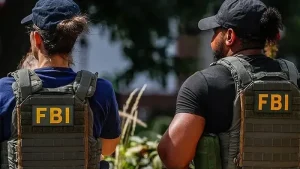
Thousands of FBI ‘secret files’ stolen; what happens in 5 days?
However, while Persian Gulf nations generally oppose a new US military escalation, Saudi Arabia and the UAE are urging the US not to yield on sanctions and the naval blockade.
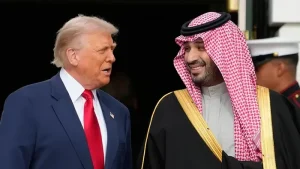
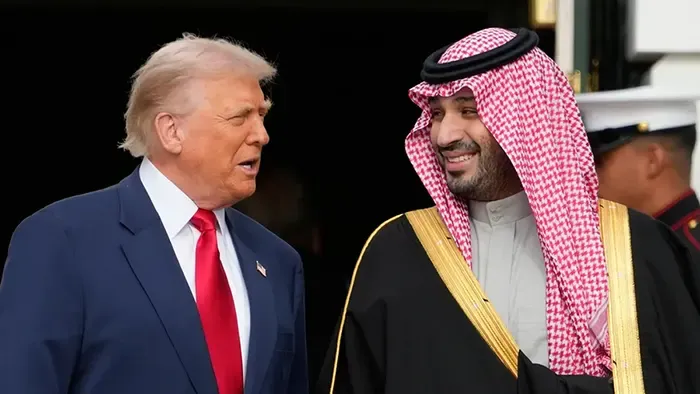
Citing individuals familiar with the discussions, The Wall Street Journal reported that Saudi Crown Prince Mohammed bin Salman recently told US officials that the naval blockade should remain in place until Iran is compelled to sign a new agreement.
This position marks a shift from Saudi policy a few months ago. During the summer, Saudi Arabia and several other Arab nations had favored dialogue and were prepared to consider a compromise that acknowledged some of Iran’s influence in the Strait of Hormuz.
However, that confidence has eroded following Iranian attacks on Saudi vessels and Houthi efforts to restrict alternative oil export routes via the Red Sea. UAE officials are also less optimistic about the prospects for talks now. They argue that attacks on shipping and renewed violence demonstrate that Tehran is not interested in a quick return to diplomacy.
They further state that accepting permanent Iranian control over the Strait of Hormuz is unacceptable to the Gulf nations. Meanwhile, Oman and Qatar have adopted a different stance. Both nations believe that a phased reopening of the Strait of Hormuz and a cessation of attacks on Persian Gulf states represent a realistic path out of the ongoing conflict.
Qatar has intensified its mediation efforts centering on the UN General Assembly session. Last Sunday, Iran’s Foreign Minister visited Doha to discuss various proposals, including a seven-day ceasefire in exchange for the lifting of the US naval blockade. The proposal stipulates that Iran would halt attacks on shipping if the blockade were lifted.
However, reports indicate that US officials have repeatedly informed Qatar that President Trump has no plans to lift the naval blockade.
A White House official stated that sanctions and the naval blockade have strengthened the US position. “President Trump is open to talks with Iran under the right circumstances,” the official said, adding, “However, he is under no compulsion to enter into negotiations with Iran.”
On the other hand, there is opposition to negotiations within Iran as well. Tehran fears that the US might use talks to stall for time until after the US midterm elections before launching renewed attacks. As economic pressure mounts, Iranian hardliners have also adopted an increasingly uncompromising stance.
Citing Arab mediators, reports indicate that Iranian diplomats have put forward various proposals and acknowledged the worsening economic crisis. However, the Islamic Revolutionary Guard Corps (IRGC) has rejected the proposed framework for new talks and declared its readiness for a prolonged conflict.
The IRGC seeks an agreement similar to the preliminary deal reached in June. This would involve reopening the waterway in exchange for easing oil sanctions, granting access to Iranian assets frozen abroad, and recognizing Iran’s role in managing the Strait of Hormuz.
However, the US has informed mediators that it will not return to that agreement. Washington believes that sustained economic pressure will compel Tehran to accept terms more favorable to the US and its Persian Gulf allies.