





As fresh tensions flare up in the Middle East, global oil prices have begun to rise once more. Following a downward trend over the past few weeks, the recent surge in prices is being driven by a series of attacks in and around Kuwait, Saudi Arabia, and the Strait of Hormuz.
On Friday (November 27), the price of Brent crude for January delivery reached approximately $96 per barrel in the international market. By the close of trading on Thursday, prices had hit their highest level since the week of the U.S. midterm elections. With an increase of nearly 3.5% this week, this key global oil benchmark is on track for its first weekly gain of the month.
However, current prices remain well below the $120-per-barrel mark seen during previous escalations involving Iran. After dipping below $90 earlier this week, prices have since rebounded.
Global oil prices had been declining for several weeks. One reason for this was that, following the U.S. midterm elections, President Donald Trump refrained from intensifying military operations in the Middle East. Furthermore, despite attacks on tankers, oil supplies from the region increased, while global oil consumption saw a significant decline.
Yet, a recent wave of attacks in the Middle East has exerted upward pressure on the oil market. On Friday, the price of West Texas Intermediate (WTI) crude oil in the U.S. market also rose by 1%, reaching approximately $84.50 per barrel.
A Series of Attacks in Kuwait and Saudi Arabia
Italian Foreign Minister Antonio Tajani confirmed that two Italian citizens were killed in a suspected Iranian drone strike on a military facility in Kuwait on Thursday. The victims were technicians working for the German defense manufacturer Rheinmetall Italia.
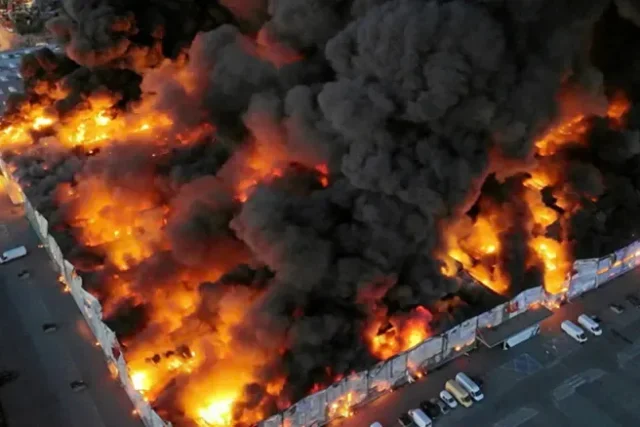
Kuwait’s Ministry of Defense reported that a Kuwaiti national and a Pakistani national were also injured in the attack. Iran, however, has denied any involvement in the incident. Meanwhile, Houthi rebels in Yemen have carried out attacks on two Saudi oil refineries this week. On Wednesday, the group claimed responsibility for an attack on Ras Tanura, Saudi Arabia’s largest oil refinery. The following day, a missile—or some other type of projectile—struck an oil refinery in the Jazan region, located in the country’s southwest.
The Saudi Ministry of Energy reported that a worker from Nepal was killed in the attack. The refinery caught fire, forcing a temporary suspension of some operations.
Additionally, a high-rise building in Riyadh—which houses the headquarters of Saudi Arabia’s trillion-dollar sovereign wealth fund—was targeted for the second time in just a few days. According to eyewitnesses and Saudi authorities, 11 people were injured in the incident.
Attacks on Tankers in the Strait of Hormuz
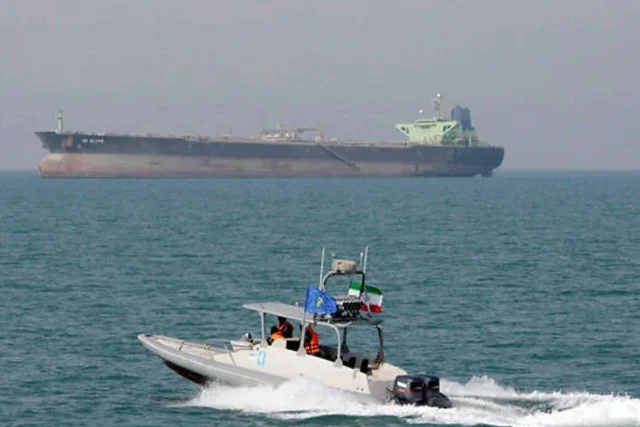
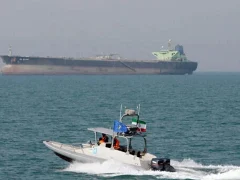
Iran continues to target oil tankers transiting through the Strait of Hormuz. Data from the United Kingdom Maritime Trade Operations (UKMTO) center, as analyzed by CNN, indicates that nearly two dozen attacks have been reported so far in November—a figure approaching the record of 30 attacks seen last October.
Preliminary data from Kpler, an energy market analytics firm, shows that for the week ending November 25, the volume of oil transported through the Strait of Hormuz fell to 55% of pre-war levels. This suggests that the attacks are significantly impacting maritime traffic along this vital shipping route.
In a note released on Friday, Kathleen Brooks, research director at the online brokerage firm XTB, wrote: “These attacks serve as a reminder of how volatile the current situation is. A lasting peace agreement between the United States and Iran remains elusive.”
She added, “From a market perspective, if oil prices remain elevated for an extended period, it could dampen the momentum of today’s AI-driven stock market rally.”
On Friday morning, U.S. stock market futures were trending upward. Following volatile trading in technology stocks earlier in the week, futures contracts for the Nasdaq-100 index have risen by more than 2 percent.
OPEC+ meeting on Sunday
There is a price discrepancy between Brent futures contracts for the following month and the widely tracked continuous Brent contracts. On Friday, the price for the continuous Brent contract stood at approximately $92 per barrel.
This gap exists because the front-month contract is more closely linked to the price of oil available for immediate physical delivery. Its relatively higher price suggests an increased demand for crude oil in the near term, as refineries scramble to secure supplies.
Meanwhile, the Organization of the Petroleum Exporting Countries (OPEC) and its allies—collectively known as OPEC+—are set to meet on Sunday.
The group meets monthly to determine production quotas for its member nations. Since September, they have kept oil production levels unchanged, following six consecutive months of production increases.
Analysts at ING Bank have indicated that OPEC+ may consider maintaining the current production quotas through January. However, some member countries have advocated for an increase in these quotas.
Amid the ongoing conflict in the Middle East and uncertainty regarding shipping through the Strait of Hormuz, the decision reached by OPEC+ could play a pivotal role in shaping the trajectory of global oil prices.