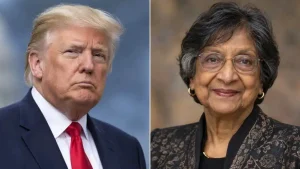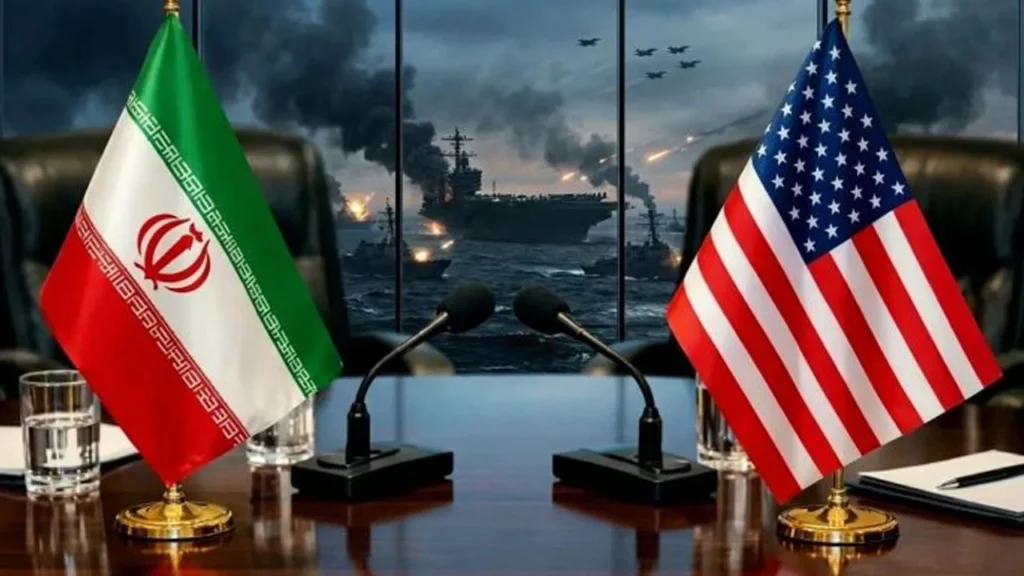
After failing to achieve desired results through military operations and diplomatic initiatives against Iran, US President Donald Trump is reverting to a strategy of exerting severe economic pressure. Instead of launching a major new military strike, the Trump administration has opted to tighten existing sanctions and impose a naval blockade to squeeze Iran’s economy.
US officials have presented data and statistics to Trump illustrating the profound impact existing sanctions have had on Iran’s economy. They believe that imposing fresh sanctions and intensifying current ones could compel Tehran to make concessions.
The US had previously considered military action after failing to force Tehran to yield on its nuclear program and other issues. However, when that approach did not yield the expected political outcomes, attempts were made to reach an interim peace agreement through diplomatic talks; yet, the differences between Iran and the US remained unresolved.
Speaking to reporters on Monday, Trump said, “Iran’s economic situation is extremely weak. I am not interested in launching a massive new military operation right now.” Iran has also stated that economic pressure alone will not alter its stance. Iranian Foreign Ministry spokesperson Esmaeil Baghaei described the US strategy as a sign of failure.
The dispute between the US and Iran regarding control of the Strait of Hormuz and international maritime traffic has become increasingly complex. A prolonged standoff over this vital energy transport route could have significant repercussions not only for the Middle East but also for the global energy market.
In exchange for normalizing commercial shipping through the strait, Iran has demanded war reparations, the withdrawal of US troops from the region, and the lifting of the naval blockade. Trump has rejected these demands, once again casting doubt on the possibility of an agreement between Washington and Tehran. This situation is also impacting international markets; uncertainty surrounding the Strait of Hormuz has heightened anxiety in the energy sector and driven up oil prices.
Meanwhile, a protracted conflict poses economic and political risks for the US as well. The costs of military operations in the Middle East, fluctuating fuel prices, and the strain on US military hardware are complicating the situation for Washington. Concerns have also recently been raised regarding potential shortages in the US military’s weapons stockpiles. The Trump administration’s current strategy of economic pressure is primarily being used as an alternative to military conflict. However, analysts believe that if sanctions and blockades fail to bring Iran to the negotiating table, the question of military action could once again confront Washington.