






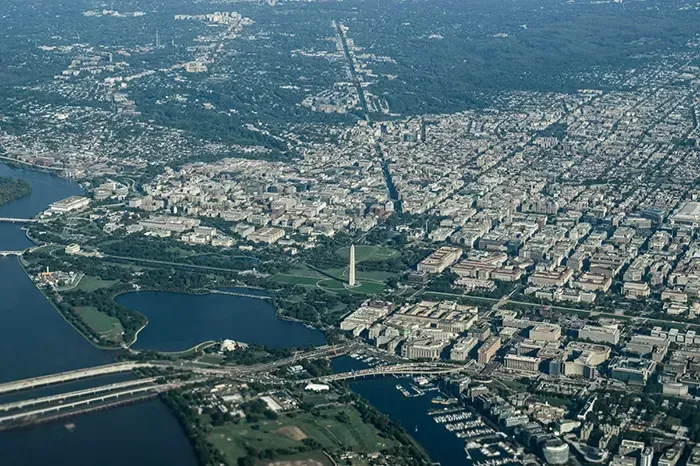
New intelligence from U.S. agencies has revealed a startling development: Iran is allegedly plotting to detonate a “dirty bomb”—a device combining conventional explosives with radioactive material—in Washington, D.C. The plot reportedly targets high-ranking officials from the Donald Trump administration. While seven U.S. officials have confirmed the existence of this information, there is debate among them as to whether Iran will actually carry out the plan.
Sources familiar with the intelligence told CNN that this does not necessarily signal an imminent attack; rather, it appears to be an option Iran is keeping in reserve. However, the plan is highly specific, detailing both intended targets and locations, which has prompted extensive security preparations within the United States. White House spokesperson Lauren Bisse stated that the administration is monitoring all potential threats, though there is currently no “credible” threat facing the U.S. U.S. officials view this move by Iran—which is under significant pressure due to American military strikes and stringent economic sanctions—as a concerning indicator of escalating tensions.
Last week, President Donald Trump remarked that the conflict would end soon. Meanwhile, due to this underlying threat, the Secret Service relocated Treasury Secretary Scott Bessent to a secure military residence. Iran has long targeted current and former U.S. officials—a pattern that persisted throughout Trump’s first term—including a plot to assassinate Donald Trump in 2024. Previously, such efforts typically focused on targeting U.S. officials while they were traveling abroad; however, sources indicate that the current plot involves planning attacks from within the United States.
Officials have warned that the U.S. remains vulnerable to attacks involving unconventional weapons. A “dirty bomb” is relatively easy to construct; unlike a nuclear weapon, it consists of conventional explosives paired with radioactive material. Experts note that any casualties would primarily result from the initial explosion rather than radiation exposure, though such an attack could render certain areas uninhabitable. Intelligence agencies have intercepted communications from Iran suggesting that materials for bomb-making have been concealed within the United States. Many national security officials suspect that Iran may have been stockpiling nuclear or chemical materials inside the U.S. for years or even decades.
A major challenge for the United States is thwarting such plots before they can be carried out. Last June, a critical law governing the surveillance of foreign communications expired—a lapse resulting from a standoff between the White House and Congress over the then-acting Director of National Intelligence, Bill Evanina. Attorney General Todd Blanche, Director of National Intelligence Jay Clayton, and CIA Director John Ratcliffe have urged the reinstatement of this legislation, warning that any delay puts the lives of Americans at home and U.S. troops stationed abroad at risk.
Separate intelligence indicates that Iran might also employ chemical weapons against U.S. forces stationed in the Middle East—a concern first reported by The New York Times. Several officials have explicitly stated that U.S. troops lack the necessary protective equipment or training to defend against such an attack. Consequently, a parallel contingency plan has been initiated to ensure that diplomats and intelligence personnel in the region are provided with the essential gear and training. Meanwhile, a spokesperson for Iran’s mission to the United Nations has dismissed the allegations regarding the use of chemical weapons as entirely false and fabricated.
These threats have emerged amidst the ongoing confrontation between the United States and Iran in the Strait of Hormuz. Negotiations aimed at lifting U.S. sanctions and reopening the Strait have yet to yield any success. However, a regional source noted that while both sides are interested in reaching an agreement, neither is currently prepared to make concessions. Hardliners within Iran—or certain factions of the regime—have benefited from the conflict and might orchestrate attacks to keep the confrontation alive. A U.S. official emphasized that Iran is well aware that any use of such weapons—whether in the Middle East or within the United States—would invite a devastating retaliation. However, if the existence of the governing system is threatened, they might take this risk.