




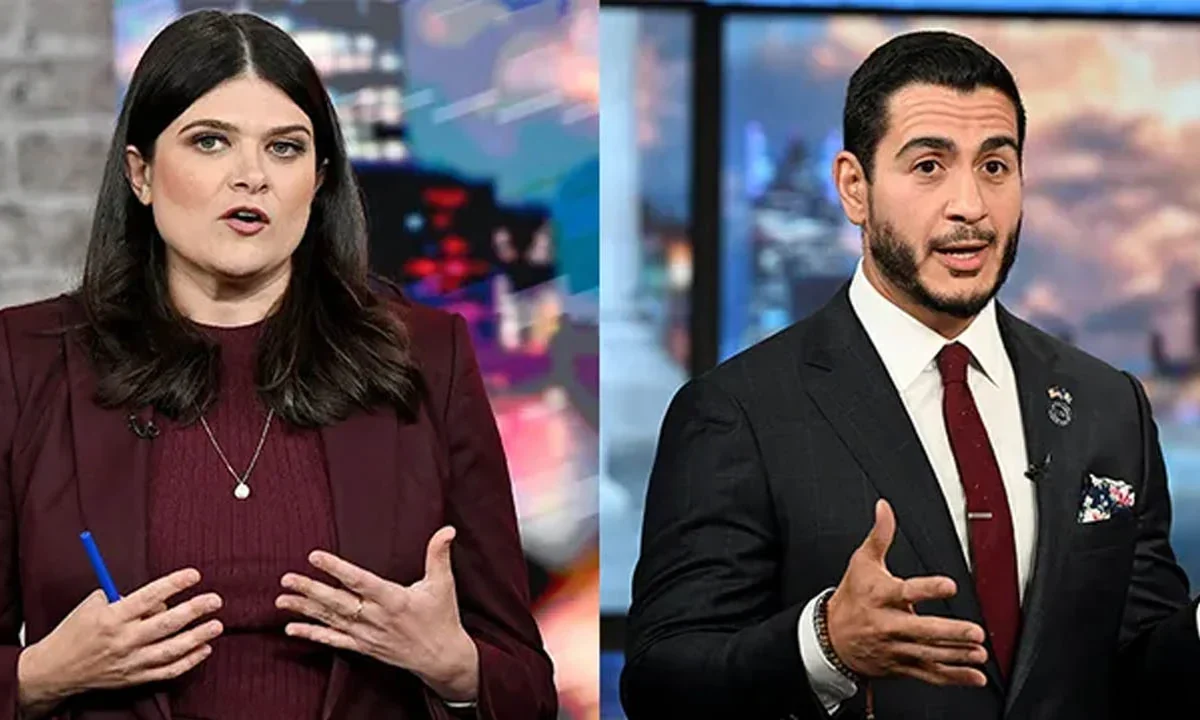
Just two days before the US midterm elections, Democratic Congresswoman Haley Stevens of Michigan has endorsed Republican candidate Mike Rogers, turning her back on her own party’s candidate. This decision has triggered a sharp backlash within the Democratic camp.
Stevens had previously been defeated by Abdul El-Sayed in the Democratic primary for a Michigan Senate seat last August. Although she had initially pledged to support El-Sayed, she reversed her position at the last minute.
The two had been at odds for weeks over Israel’s war in Gaza and US military aid to Israel.
Stevens is a staunch supporter of Israel, while El-Sayed has been an outspoken critic of Israel’s actions in Gaza—which he has termed a genocide—as well as the provision of US military aid to the country.
Recently, when an advertisement by a political organization supporting El-Sayed criticized US aid to Israel, Stevens labeled the content antisemitic and called on El-Sayed to condemn it. El-Sayed, however, stated that the advertisement was not produced by his campaign team.
On Sunday, when both were scheduled to appear at a church event, Stevens was asked not to attend. Following this incident, she announced her endorsement of Republican candidate Mike Rogers. Stevens alleges that El-Sayed’s increasingly aggressive stance is undermining the unity of the Democratic Party.
Democratic leaders, however, view her decision as an act of betrayal. Senate Democratic Leader Chuck Schumer described it as a “despicable betrayal,” and the Democratic National Committee has also issued harsh criticism of her move.
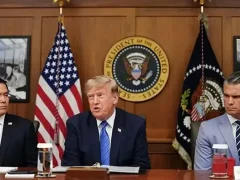
Meanwhile, several staff members, including Justin German—Stevens’ long-time chief of staff—have resigned in protest against her decision. In contrast, President Donald Trump has welcomed Stevens’ decision, describing it as a bold move.
The Senate election in Michigan could play a crucial role in determining control of the U.S. Senate. El-Sayed and Rogers are competing for the seat currently held by retiring Democratic Senator Gary Peters. There is ongoing discussion in political circles regarding how much of an advantage Stevens’ endorsement might provide to the Republican candidate.
Meanwhile, there have been calls to expel Stevens from the Democratic congressional caucus and strip him of his committee assignments. However, such actions could potentially affect the number of seats held by Democrats in the House of Representatives and shift the balance of voting power. Analysts believe that Stevens’ decision could have a lasting impact on Democratic politics, even after he leaves Congress next January.