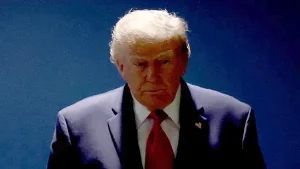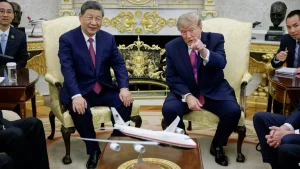
US President Donald Trump has rejected a seven-day ceasefire proposal put forward by Iran. Meanwhile, he may resume bombing campaigns against Tehran following the November midterm elections. This report comes from NDTV Online. According to the report, Tehran proposed that if the US accepts its demands, the strategic Strait of Hormuz would be reopened and hostilities would cease within seven days. The conflict has been ongoing since the US and Israel launched joint attacks on Iran on February 28.
On Friday, Iranian Foreign Minister Abbas Araghchi told reporters at the United Nations that Iran had submitted a specific seven-day plan to the US via Qatar. He stated that if necessary conditions are met, it is possible to reopen the Strait of Hormuz and restore normal maritime traffic within seven days. Araghchi emphasized that the decision now rests with the US. He asserted that Iran would not yield to pressure, threats, or intimidation, nor would it surrender its sovereign rights under duress. He added that everything is ready if the US is sincere about reaching an agreement and reopening the Strait of Hormuz.
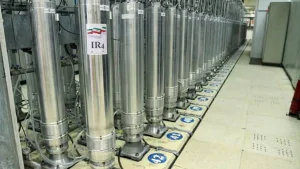
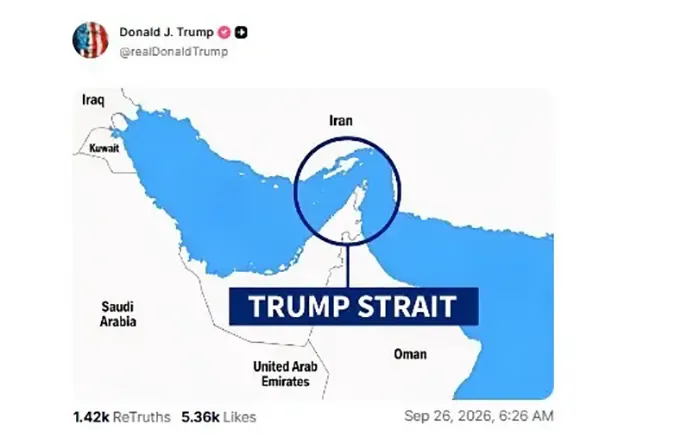
A few hours later, a Wall Street Journal report citing US officials stated that Trump had rejected Iran’s proposal. According to the report, Trump has repeatedly vowed that Iran will never acquire nuclear weapons; consequently, he remains skeptical about whether Tehran would actually fulfill its commitments. Trump is considering the possibility of launching further bombing raids on Iran. Meanwhile, Trump posted an image of a map on his Truth Social platform, circling the Strait of Hormuz and labeling it “Trump Strait.” Iran has indicated that it would reopen the Strait of Hormuz within seven days if the US lifts its naval blockade, removes oil sanctions, and agrees to a ceasefire—including in Lebanon. Tehran would also resume negotiations regarding its nuclear program. Iran’s Foreign Minister discussed this new proposal during a private meeting on the sidelines of the UN General Assembly session. Tehran’s new proposal was similar to an agreement reached in June—an agreement that subsequently fell apart.
On June 17, Trump and Iranian President Masoud Pezeshkian signed a 14-point agreement aimed at halting the conflict in the Middle East. That agreement called for an immediate cessation of military operations, including in Lebanon, and included a commitment by both nations to continue negotiations toward a final deal within 60 days. However, on July 8, Trump declared that the agreement was “dead.” A week later, Tehran suspended the memorandum of understanding, accusing Washington of violating all its commitments. Since then, Trump has repeatedly stated that he is in no rush to reach an agreement. Meanwhile, the White House announced on Friday that US officials are engaged in positive and constructive discussions with mediators.