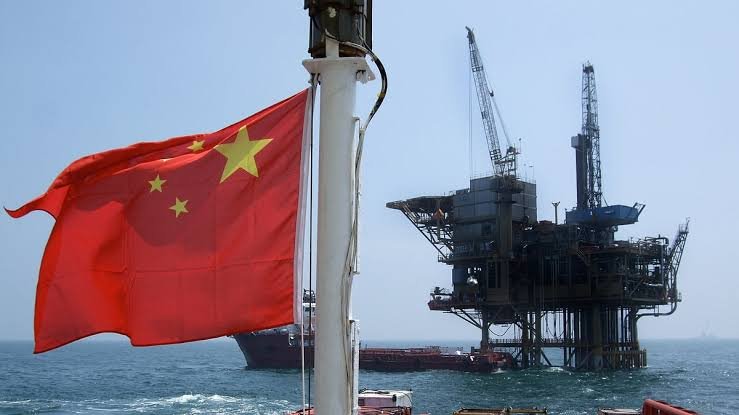
Global oil prices largely depended on the decisions made by OPEC and its allies. However, that long-standing dynamic is shifting. As the world’s largest oil importer, China does not merely purchase vast quantities of oil; it now possesses the ability to significantly influence international markets by adjusting its import volumes—either scaling back or ramping up—as needed. Consequently, Beijing has emerged as a new challenger to OPEC’s long-held dominance in the oil market.
The global oil market faced a major supply shock amidst tensions involving Iran and the crisis in the Strait of Hormuz. Analysts feared that the price of Brent crude could surge beyond $150 per barrel. However, the situation did not escalate to that extent, largely because China reduced its imports.
Between February and June, China cut its crude oil imports by nearly half—a reduction amounting to approximately 5.5 million barrels per day. Analysts estimate that without this move by China, the price of Brent crude could have risen by an additional $30 per barrel. Recent data indicates that fluctuations in China’s oil imports are now influencing the entire Asian market.
Oil Stockpiles: China’s Key Weapon
China had already stockpiled vast quantities of crude oil. Taking advantage of lower prices in the international market between late 2025 and early 2026, the country purchased large volumes cheaply to build up its reserves. As a result, it did not need to make significant new purchases during the crisis.
These massive reserves allow China to reduce imports when necessary. When supply shortages emerge and prices rise, China taps into its own stockpiles rather than buying heavily from the international market. This leaves more oil available for other nations and eases upward pressure on prices.
Influencing the Market, Much Like OPEC
For years, OPEC has exerted influence over the international market by adjusting production levels. China’s approach, however, is different; rather than controlling production, it influences the market through its immense purchasing power.
As the world’s largest oil importer, even slight shifts in China’s demand can trigger significant impacts on the global oil market. In particular, the central government’s ability to rapidly adjust import levels has granted Beijing a degree of influence previously held primarily by OPEC nations.
Electric Vehicles Are Also Changing the Equation
China’s rapid electrification is playing a significant role in reducing its reliance on oil. The increased adoption of electric vehicles, public transport, and renewable energy sources is allowing the country to keep oil demand in check.
When fuel prices spike during energy crises, many Chinese citizens shift from private cars to the metro, bicycles, and electric transport. This has created an opportunity to reduce oil consumption while keeping the economy moving.
Is OPEC Weakening?
OPEC’s influence on the global oil market remains substantial. However, internal changes within the alliance and conflicting interests among its members are complicating decision-making. Recent speculation regarding the United Arab Emirates potentially leaving OPEC has also raised new questions about the bloc’s future.
In contrast, China does not need to coordinate its decisions with any international alliance; its central government can rapidly alter policies as needed. For this reason, some analysts argue that a new power has emerged in the global oil market.
Recent market trends indicate that, despite supply shortages and geopolitical tensions, oil prices are not determined solely by the decisions of producing nations. Factors such as fears of weak demand, rising US oil stockpiles, and declining Chinese imports are also exerting significant influence on prices.
The global oil market is thus moving toward a new reality. While the central question used to be “How much oil will OPEC produce?”, another question is now becoming equally critical: “How much oil will China buy?” The answer to this question could play an increasingly pivotal role in determining international oil prices in the future.