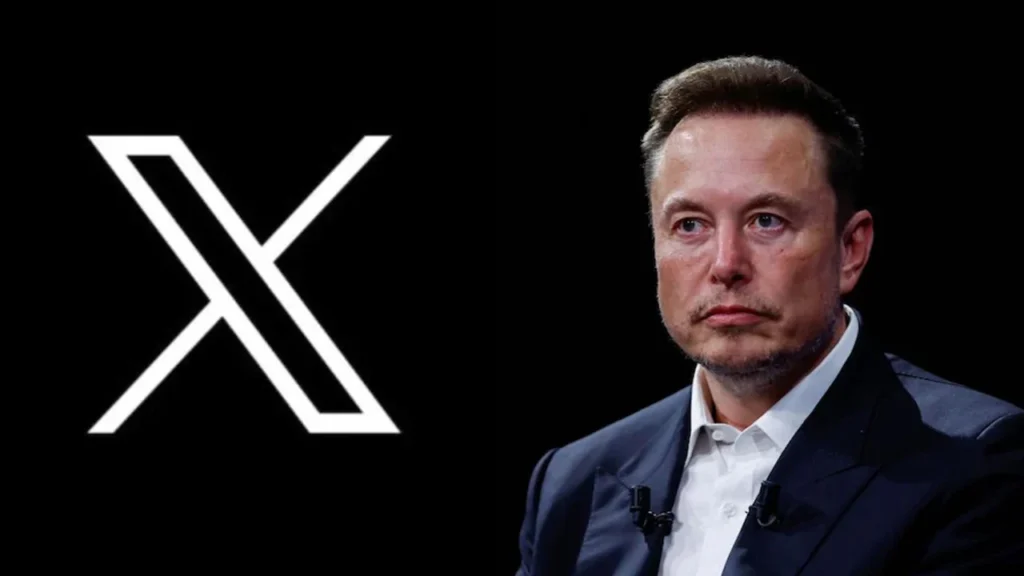
Fresh controversy has arisen surrounding Elon Musk, one of the world’s wealthiest entrepreneurs and the owner of the social media platform X (formerly Twitter). A recently published analytical article alleges that Musk does not merely express controversial political views; rather, he plays a role in reinforcing racial divisions, Islamophobia, and far-right politics.
According to the report, during a recent interview with Zanny Minton Beddoes, Editor-in-Chief of The Economist, Musk was asked about Islam and Muslims. Instead of directly denying anti-Islamic sentiment, he made various comments regarding Muslims, citing issues such as rape, murder, opposition to Western values, and the imposition of laws. Critics argue that these remarks align with Islamophobic narratives long propagated by far-right groups—narratives that Musk consciously reinforces by portraying Muslims as inherently violent.
The analysis notes that although Musk denies being a racist, his political stance and social media activity convey a different message. He portrays Muslims as a monolithic, violent group and depicts them as a threat to Western society.
The report further highlights that Musk has long posted about controversial theories such as the “Great Replacement Theory” and “White Genocide.” It is claimed that in January of this year alone, he posted about such topics almost daily. One of his posts on X—stating that “white people are rapidly becoming a minority”—reached millions of people and sparked a massive reaction.
According to analysts, these statements by Musk are not merely expressions of opinion; they represent a political effort to frame demographic shifts in the public mind as an “existential crisis for white people.”
The article also sheds light on Musk’s political engagements. It notes that he provided financial support to US President Donald Trump’s election campaign and has openly expressed support for various far-right political forces, including France’s National Rally and Germany’s Alternative for Germany (AfD). Additionally, his decision to reinstate the accounts of several well-known far-right activists on the X platform has sparked criticism.
The report further claims that Musk has repeatedly made statements warning of a potential “civil war” and social conflict—remarks that could fuel fear and division among his followers. According to the author, these statements serve less to describe the actual situation and more to foster an environment conducive to racial conflict.
The analysis adds that viewing Elon Musk merely as a controversial businessman fails to capture the significance of his political influence. The author argues that by leveraging his immense economic power, ownership of an influential global social media platform, and vast following, he is shaping a political and ideological climate that could further escalate social and racial tensions in the future.
Source: Middle East Eye