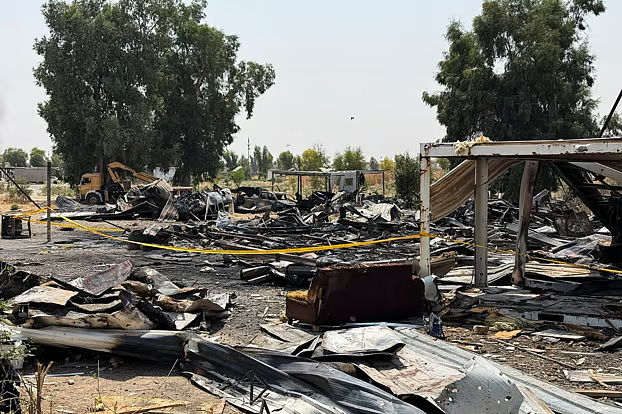
Early Wednesday morning, the United States and Saudi Arabia launched simultaneous attacks on multiple bases belonging to an Iran-backed armed group in Iraq. At least 20 fighters from the group, known as the Popular Mobilization Forces (PMF), were killed, and over 30 were injured. Around the same time that day, Iran launched a surprise attack targeting a US base in Jordan. US President Donald Trump has threatened that Iran will pay a “heavy price” for this attack.
The United States had suspended bombing operations in Iran last Friday after 13 consecutive days of strikes. Following the halt in US attacks, Iran had also announced a suspension of retaliatory strikes. News of these latest attacks emerged unexpectedly amidst this situation. Meanwhile, this marks the first time Saudi Arabia has publicly announced its participation in a joint military operation with the US since the onset of US-Israeli aggression against Iran on February 28.
The attacks in Iraq and Iran’s retaliatory strike in Jordan have raised fears of a widening conflict in the Middle East. Simultaneously, international diplomatic efforts to halt the hostilities have intensified.
Attacks on Multiple PMF Bases
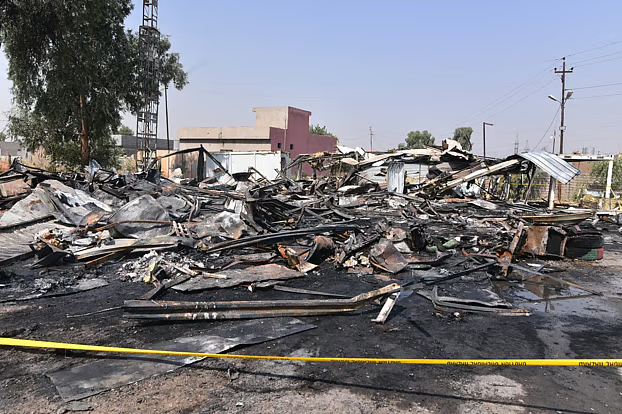
Early Wednesday, the US and Saudi Arabia struck several PMF bases across various locations in Iraq. Washington and Riyadh claim these strikes were in retaliation for drone attacks launched from Iraqi territory against Saudi oil facilities.
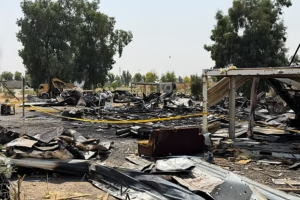
The PMF reported that attacks targeted their bases in several provinces, including Baghdad, Nineveh, Basra, Kirkuk, Karbala, Diyala, and Wasit. At least 20 members were killed and 32 injured; the group indicated that the casualty figures could rise further.
Iraqi Prime Minister Ali al-Zaidi has convened an emergency meeting of the national security cabinet to review the situation. Iraqi President Nizar Amidi condemned the attacks as “unacceptable” and a clear violation of Iraq’s sovereignty. He stated that Iraqi territory cannot be used to launch attacks against other nations or as an arena for settling scores between regional powers.
Iran’s Foreign Ministry has also condemned the attacks in Iraq. Tehran claims that the United States and its allies are the ones further destabilizing the situation.
- Iran launches a surprise attack on a US base in Jordan.
- Trump vows retaliation for the attack.
Iran’s Surprise Attack in Jordan
A Reuters report states that hours before a joint US-Saudi strike in Iraq, the US military’s Central Command (CENTCOM) announced that Iran had launched a surprise missile attack on US forces in Jordan. CENTCOM claims its air defense systems intercepted the attacks. The Jordanian army claims to have shot down five Iranian missiles.
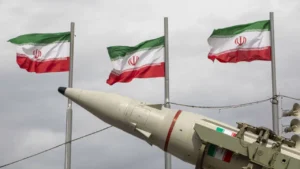
Iran’s Islamic Revolutionary Guard Corps (IRGC) claimed to have fired multiple ballistic missiles targeting US military installations in Jordan. They also reportedly attacked three tankers passing through the Strait of Hormuz. However, an Al Jazeera report noted that it could not be immediately confirmed whether the joint US-Saudi strike in Iraq or Iran’s attack on the US base in Jordan occurred first.
Analysts note that approximately 4,000 US troops are deployed in Jordan. Since the outbreak of renewed hostilities, US bases in the country have become prime targets for Iran. In light of this, the US military is considering imposing stricter controls on soldiers’ use of mobile phones. There are concerns that photos and videos captured on soldiers’ phones and shared online could assist Iran in identifying targets and assessing damage.
Trump’s Threat
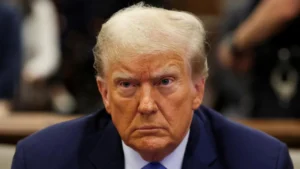
Speaking to Fox News today regarding the attack on the US base in Jordan, Trump said, “They [Iran] will have to pay a heavy price for this.” He claimed that US forces had only a few minutes to respond to the surprise attack, but the missiles were destroyed before reaching their targets.
Trump asserted that the joint US-Saudi strike against Iran-backed Shia militias in Iraq was carried out in coordination with the Iraqi government. He described these groups as a “cancer to the world” and hinted at tougher measures against other Iran-backed groups as well.
Fears of the conflict spreading further
Iran has rejected a proposal from Oman to jointly manage the Strait of Hormuz. Tehran maintains that the proposal does not align with its interests.
Al Jazeera reports growing concerns that the ongoing conflict could spread beyond the Red Sea and the Strait of Hormuz. Pakistan, the European Union, and Gulf nations have called for de-escalation and a return to dialogue.
Analysts believe that, for the time being, reciprocal military actions between the US and Iran are likely to continue alongside diplomatic efforts.
Pakistan’s UN Ambassador Asim Iftikhar Ahmad, acting as a mediator, expressed concern over the escalating tensions in the Middle East and urged the US and Iran to honor the commitments made in the preliminary Memorandum of Understanding (MoU) signed last month. That agreement had stipulated the finalization of a ceasefire deal through negotiations within 60 days; however, the agreement has already collapsed amidst the renewed cycle of retaliatory attacks.