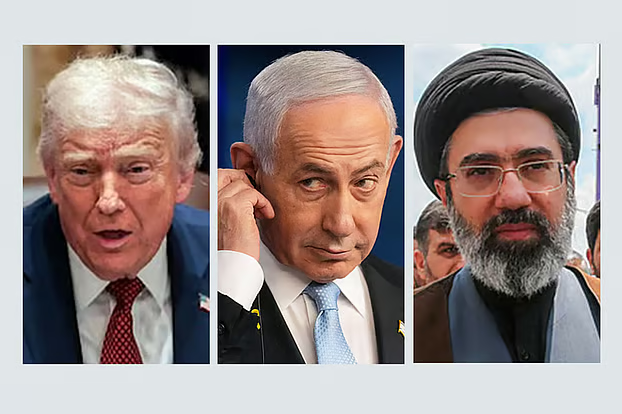
The threat of a full-scale regional war erupting in the Middle East has receded. Following US President Donald Trump’s call to “immediately cease fire,” both Iran and Israel have announced a halt to attacks against each other. News of this cessation emerged yesterday, Monday.
Israeli Prime Minister Benjamin Netanyahu acknowledged the end of hostilities with Iran in a televised address. However, he vowed to respond with “force” should any future attacks occur.
Netanyahu stated, “Hostilities on this front [Iran] have currently ceased, as Tehran’s ‘terrorist’ government stopped attacking us after suffering a blow. If that ‘terrorist’ government makes the mistake of attacking us again, we will respond with force.”
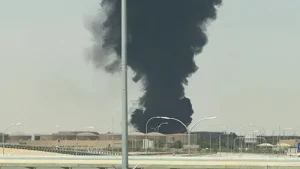
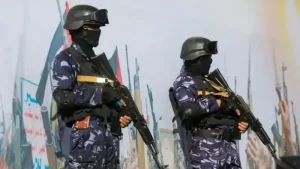
The recent exchange—involving Iranian ballistic missile strikes on Israel and retaliatory airstrikes by Israeli warplanes—marked the most significant direct confrontation between the two nations since the ceasefire last April. Concurrently, Iran-backed Houthi rebels in Yemen have launched attacks targeting Israel. They have also threatened to target Israeli ships in the Red Sea, further escalating tensions. Yesterday, Tehran also announced a temporary halt to attacks, though it warned that it would retaliate if Israel struck Iran or Lebanon again.
Iran’s top military command, the Khatam al-Anbiya Central Headquarters, issued a statement to this effect.
Tensions in the Middle East reignited late Sunday night with a fresh exchange of attacks between Israel and Iran, continuing into yesterday morning.
Fears of New Attacks Persist Amidst Ceasefire; Iran and Israel Remain Unyielding on Lebanon Issue
According to analysts, this newly reached understanding—even amidst the ongoing ceasefire—is extremely fragile. Missile strikes and counter-strikes could erupt again at any moment from multiple flashpoints. Iran had sought a permanent ceasefire—conditioned on halting Israeli operations against Hezbollah, the Lebanese armed group closely allied with Tehran. However, Israeli officials have repeatedly rejected these persistent efforts by Iran.
Yesterday, Israeli Defense Minister Israel Katz stated that Israel’s operations against Hezbollah in Lebanon would continue. He warned that if the Islamist armed movement attacks Israel, strikes would be launched against Beirut as well.
Katz added, “Any Iranian attempt to link Lebanon and Iran in attacks on Israel will be met with a harsh response—just as was the case on Sunday.”
Israel has been conducting continuous strikes on Beirut’s southern suburbs, a known stronghold of Hezbollah. These actions prompted a massive missile attack on Israel by Iran on Sunday.
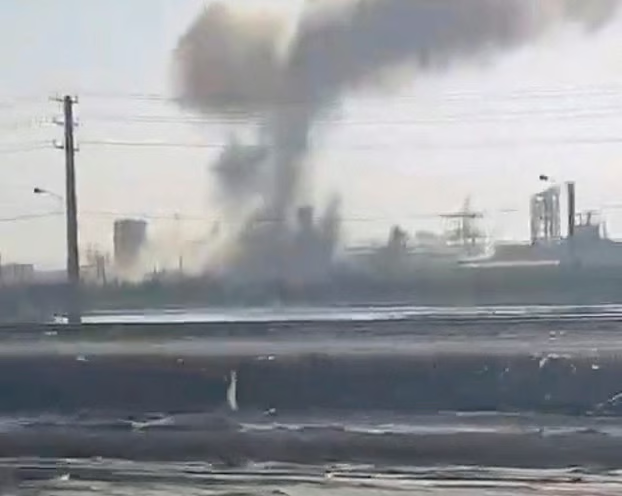
Meanwhile, Iran remains firm in its stance. Mohammad Bagher Ghalibaf, the Speaker of the Iranian Parliament and a key negotiator, stated yesterday that Tehran would not tolerate these “repeated violations” (of the ceasefire). In a post on the social media platform X, he wrote, “Until genuine goodwill to build trust is demonstrated, Iran’s response will remain the same.”
Trump Pressures Israel for Deal; Hezbollah Launches Fresh Rocket Attacks
According to a report by the US news outlet Axios, Donald Trump has pressured Israel to halt attacks in Lebanon in order to create an environment conducive to a major agreement ending the conflict with Iran.
Last week, during a phone call, Trump sharply rebuked Israeli Prime Minister Benjamin Netanyahu.
Axios reported yesterday that Trump himself claimed to have scolded Netanyahu again. Quoting Trump, the report stated, “I said, ‘Bibi [Netanyahu’s nickname], you’d better be careful, or else you’ll find yourself all alone very soon.'”
The Israeli Prime Minister is set to face an election later this year. He is facing pressure within his own country to continue the operation aimed at destroying Hezbollah’s capacity to launch attacks.
Meanwhile, reports emerged yesterday of fresh rocket attacks by Hezbollah on northern Israel. Iran has been supplying arms and funding to this armed group for decades. Separately, it has been reported that Israel carried out an airstrike near the city of Tyre in southern Lebanon.