Following a continuous conflict lasting approximately 39 days, a ceasefire has been in effect between Iran and the United States since April 8. U.S. President Donald Trump has stated that this ceasefire with Iran is indefinite. However, intermittent clashes have occurred between the forces of the two nations in the Strait of Hormuz, and incidents involving missile and drone attacks have taken place in various Middle Eastern countries—particularly in the United Arab Emirates. Iran is being held responsible for these attacks. In light of this, Trump subsequently remarked that the ceasefire between the United States and Iran is “on massive life support.”
Meanwhile, neither side has yet agreed to a peace treaty, and both parties continue to issue threats, signaling their readiness to resume hostilities. Tehran has acknowledged that its military capabilities were significantly diminished during the conflict due to surprise attacks launched by Israel and the United States.
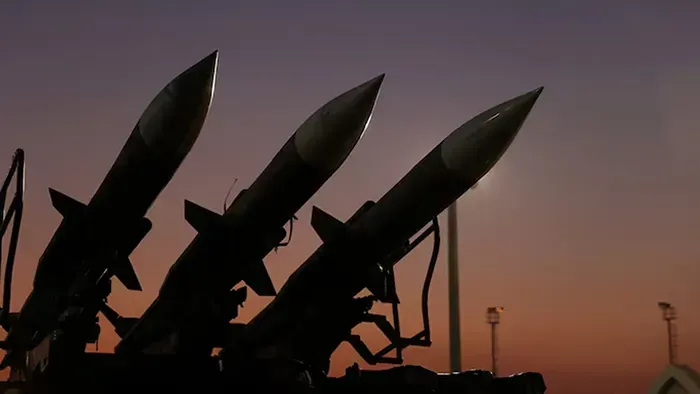
However, during the ceasefire period spanning the last few weeks, Iran has rapidly bolstered its military capabilities. Two sources familiar with U.S. intelligence assessments confirmed this information to CNN.
Four sources told CNN that U.S. agencies have indicated that Iran’s military is reconstituting itself at a pace far exceeding initial estimates.
Intelligence sources reported that Iran is rapidly rebuilding missile bases, launchers, and critical weapons production facilities that were destroyed during the ongoing conflict.
Consequently, should President Trump decide to launch airstrikes once again, Iran remains a significant security threat to U.S. allies in the Middle East.
The four sources noted that, by reconstructing its military infrastructure, Tehran is striving to restore both its defensive capabilities and its capacity to launch retaliatory strikes.
According to experts, this reconstruction effort suggests that Iran is bolstering its long-term military preparedness with the distinct possibility of future conflicts in mind. This development also casts doubt upon the claims made by the United States and Israel—specifically, the assertion that Iran’s military capabilities had been severely degraded through a sustained campaign of attacks.
However, recent intelligence assessments indicate that, despite the damage sustained, Iran is making rapid strides toward rebuilding its military strength. Citing a U.S. official and other relevant sources, CNN reports that while resuming the production of various weapon components may take varying amounts of time, assessments by U.S. intelligence agencies suggest that Iran could fully rebuild its drone strike capabilities within just six months.
One source told CNN that, aided by support from Russia and China—and because the joint U.S.-Israeli strikes failed to inflict the anticipated level of damage—Iran has been able to rebuild its military capabilities even faster than expected.
Consequently, having largely recovered from wartime damage, Tehran has made significant strides toward reactivating its arms production and defense infrastructure within a relatively short period.
Last week, Israeli Prime Minister Benjamin Netanyahu told CBS News that China is supplying Iran with components for missile production, though he declined to provide further details on the matter.
However, Guo Xiaokun, a spokesperson for China’s Foreign Ministry, denied these allegations during a press conference.
According to recent U.S. intelligence assessments, despite sustaining extensive damage from the joint U.S.-Israeli strikes, Iran still retains a significant portion of its ballistic missile, drone strike, and air defense capabilities.
As a result, Iran does not have to rebuild its military production capacity entirely from scratch; rather, it is making rapid progress toward recovery by building upon its existing infrastructure and capabilities.