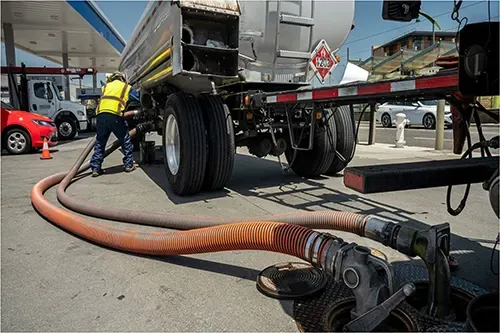
US officials have reported that cyberattacks have occurred against tank monitoring systems—which are linked to fuel storage infrastructure—at gas stations across multiple US states. An investigative report by CNN suggests that Iranian hackers may be behind these attacks. The hackers infiltrated a system known as the Automatic Tank Gauge (ATG), through which they were able to alter the displayed data regarding the fuel levels within the tanks—even though, in reality, the actual volume of fuel remained unchanged. US officials stated that, thus far, there is no evidence of any physical damage or accidents resulting from this cyber intrusion.
Rising Iranian Cyberattacks: Given its history of previous cyber activities, Iran is being viewed as the primary suspect behind these attacks. However, officials noted that it has not yet been possible to definitively attribute the attacks to any specific party, as the perpetrators left behind insufficient forensic evidence. Cybersecurity experts observe that Iran-backed hackers have long been targeting critical US infrastructure, including energy, water, and other vital sectors. There are also allegations that, following the Hamas attack on October 7, 2023, Iran-linked groups infiltrated various US water utility systems to display political messages. According to experts, Iran’s cyber activities have intensified amidst the current geopolitical conflict; the country is rapidly engaging in attacks under various “hacktivist” guises and conducting data leakage operations. In some instances, there are allegations that artificial intelligence is being utilized to facilitate phishing attacks and the dissemination of malware. The report further notes that, in recent times, multiple US institutions have been adversely affected by cyberattacks linked to Iran. These targets include medical equipment manufacturers, as well as various water and energy infrastructure facilities. Officials from an Israeli cybersecurity firm told CNN that, against the backdrop of the ongoing conflict, both the volume and sophistication of cyberattacks have increased significantly. They further asserted that, despite bolstered defensive measures, hackers continue to launch attacks whenever an opportunity arises.
Analysts’ Perspectives: Analysts suggest that Iran’s cyber strategy is evolving to become faster, multi-layered, and increasingly focused on exerting psychological influence. They have issued a warning that such attacks could become even more widespread in the future. These attacks specifically target critical civilian infrastructure. If access to such systems is gained, future gas leaks or other hazardous situations could go undetected. This could pose significant security risks. Concerns are also mounting regarding the risk of foreign cyber interference in the U.S. electoral process. Allegations of Iran-linked cyber activities surfaced during previous elections, and similar information-based influence operations are feared in the future. Cybersecurity experts note that such attacks can be executed at a relatively low cost yet are capable of generating substantial political impact.