Saudi Arabia carried out multiple covert airstrikes against Iran toward the end of mid-March. These attacks were conducted in retaliation for strikes on Saudi territory amidst the regional conflict occurring at that time. Reuters reported this information, citing multiple sources.
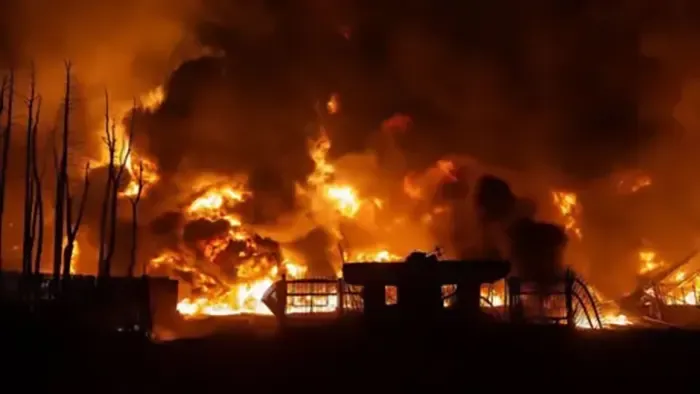
According to the report, these strikes marked the first confirmed instance in which Saudi Arabia directly conducted military operations on Iranian soil. This is being viewed as a major shift in Saudi policy within the Gulf region. On February 28, the United States and Israel launched airstrikes against Iran. In the weeks that followed, Iran carried out missile and drone attacks against the six member states of the Gulf Cooperation Council (GCC). These attacks damaged U.S. bases, civilian areas, airports, and oil infrastructure; furthermore, the closure of the Strait of Hormuz disrupted global trade.
In this context, Saudi Arabia—a close military ally of the United States—found itself at risk of attack. The report notes that this was because the U.S. security umbrella was not fully effective. Citing a Western official, the report states that the Saudi Air Force strikes were retaliatory counter-attacks. Concurrently, The Wall Street Journal reported that the United Arab Emirates had also conducted military strikes against Iran. The actions taken by these two Gulf nations indicate that tensions with Iran had escalated on both overt and covert levels. However, while keeping the situation under control, Saudi Arabia maintained regular channels of communication with Iran.
The report further states that the Saudi government had even notified Iran regarding the strikes. This led to increased diplomatic engagement between the two nations, accompanied by warnings regarding potential future retaliatory responses. Following this exchange, an informal understanding gradually emerged to de-escalate tensions. Ali Vaez, Iran Project Director at the International Crisis Group, remarked that the de-escalation following the Saudi counter-strikes reflected a pragmatic decision on the part of both parties. In his view, this outcome was not driven by mutual trust, but rather by a shared interest in conflict containment—specifically, to prevent the situation from spiraling into a larger regional war.
The report notes that during the week of March 25–31, Saudi Arabia was subjected to more than 105 drone and missile attacks. However, between April 1 and April 6, this figure dropped to just over 25. Earlier, on March 19, during a press conference in Riyadh, Saudi Foreign Minister Prince Faisal bin Farhan stated that Saudi Arabia reserves the right to take military action if necessary. Subsequently, Saudi Arabia also expelled several Iranian diplomats from the country. A senior official from the Saudi Ministry of Foreign Affairs remarked that the nation would always strive to promote de-escalation, restraint, and stability—factors that are essential for regional security and prosperity.