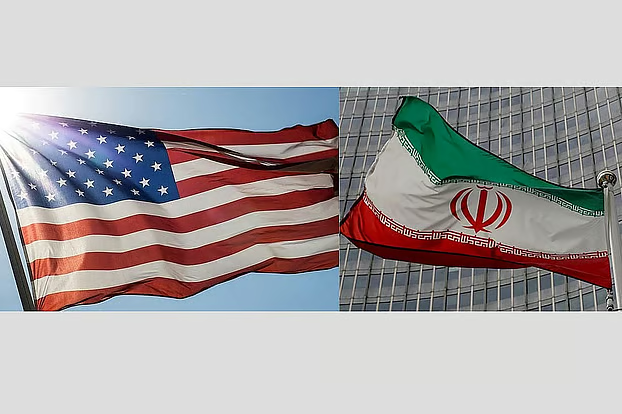
Heads of state and world leaders have welcomed the historic agreement between the United States and Iran aimed at ending conflict in the Middle East. They view this long-awaited deal as a “major step” for the global economy and international security.
To sustain the progress made by Washington and Tehran and to foster lasting peace in the Middle East, four major European powers—the UK, France, Germany, and Italy—announced in a joint statement that they would lift sanctions imposed on Iran. Various nations, including Qatar, Turkey, Japan, and New Zealand, have hailed this agreement as a new horizon for geopolitical stability.
On Sunday, the UK, France, Germany, and Italy stated that they are prepared to lift international sanctions imposed on Iran.
In their joint statement, the nations said, “We are ready to lift relevant sanctions if Iran takes clear and verifiable steps regarding its nuclear program. We will work closely with the United States, Iran, and regional partners to seize this opportunity, maintain the momentum of negotiations, and reach a long-term diplomatic solution.”
The European leaders further emphasized, “We will ensure that Iran never develops nuclear weapons. We are prepared to work with the United States, Iran, and the International Atomic Energy Agency (IAEA) to achieve this goal.”
Qatar and Pakistan played key roles as mediators in the agreement between the United States and Iran. Reacting to the deal, Qatar’s Prime Minister and Foreign Minister, Sheikh Mohammed bin Abdulrahman Al Thani, wrote on the social media platform X (formerly Twitter): “We extend our sincere thanks to our brotherly nation, Pakistan. We hope that all parties will participate in future discussions with a positive and constructive attitude, helping to further consolidate this progress.”
Leaders from other influential nations around the world have also welcomed the agreement, describing it as a significant positive step for global peace, maritime security, and the economy.
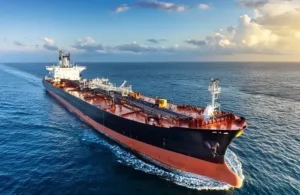
Japanese Prime Minister Sanae Takaichi described the move as a major step forward. He expressed hope that this memorandum of understanding would be implemented swiftly—ensuring free and safe navigation in the Strait of Hormuz—and that a final agreement regarding Iran’s nuclear program would be concluded as soon as possible.
German Chancellor Friedrich Merz congratulated the US and Iranian leaders, stating that this agreement could pave the way for a revitalized global economy and a more secure Middle East.
New Zealand’s Foreign Minister Winston Peters expressed hope for the rapid implementation of the agreement’s terms, including the reopening of the Strait of Hormuz. Noting that the situation remains delicate, he urged all parties to maintain this positive momentum.
Turkish President Recep Tayyip Erdoğan stated in a social media post, “The entire world has long awaited this good news. I firmly believe that this agreement will pave the way for establishing an environment of lasting peace and security in the region.” At the same time, he urged all parties to refrain from provocative rhetoric and any acts of sabotage until the agreement is formally signed.
Meanwhile, UN Secretary-General António Guterres welcomed the agreement between the US and Iran, as well as the announcements regarding a permanent ceasefire and the reopening of the Strait of Hormuz, hailing them as significant steps toward resolving conflicts in the Middle East.
A statement issued by UN spokesperson Stéphane Dujarric noted that the Secretary-General hopes all parties involved will capitalize on this new positive momentum and intensify their efforts to achieve a final and lasting solution to the ongoing crisis.