Trump has not yet agreed to provide direct military support to Saudi Arabia against the Houthis. Nevertheless, the United States could still find itself drawn into the conflict in Yemen—a view shared by former US diplomat William Lawrence.
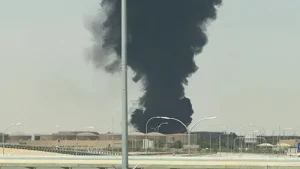
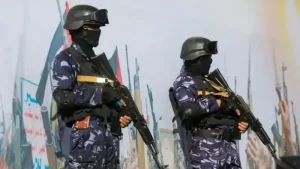
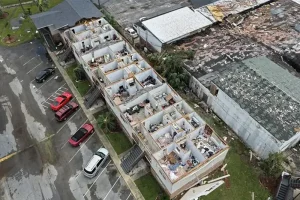
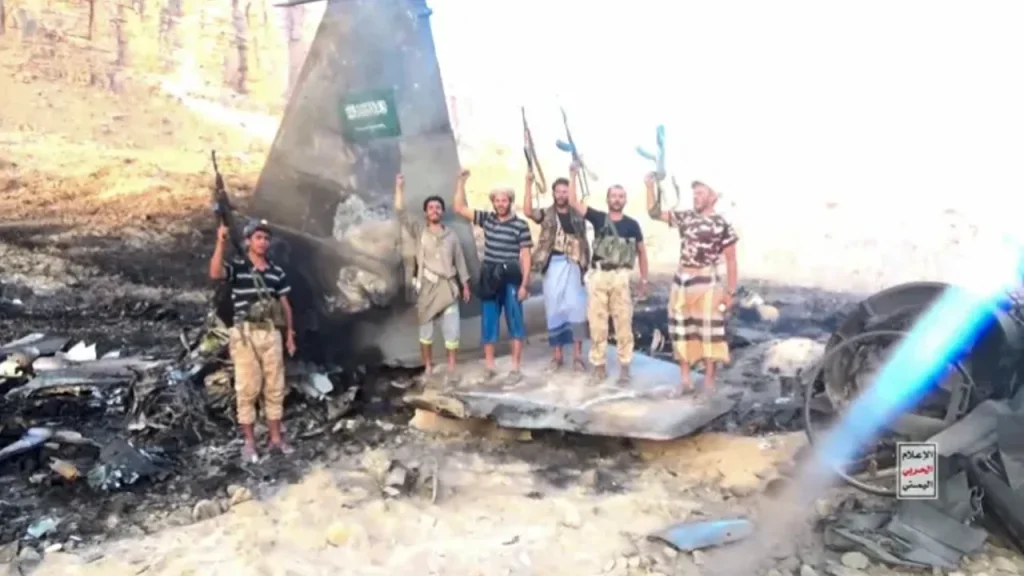
Saudi Arabia has intensified its military campaign against the Houthis in Yemen. The Houthis claim that Saudi Arabia has conducted over 130 airstrikes in the last 24 hours. They had previously claimed to have shot down a Saudi F-15 fighter jet. In retaliation, Saudi forces are conducting operations across various parts of Yemen.
Amidst this situation, Saudi Arabia has requested military assistance from the United States. However, US President Donald Trump has not yet consented to the request. Washington has not publicly agreed to provide direct combat support, refueling services, or other forms of military aid.
That said, the US is already assisting Saudi Arabia with intelligence and target identification in Yemen. Over a hundred US military advisors and officials are currently operating in the country, utilizing advanced technology to detect Houthi positions and identify targets.
According to Lawrence, the possibility of direct US military involvement cannot be ruled out if the situation escalates further. Protecting Saudi Arabia’s security and safeguarding US interests along critical maritime routes in Yemen could become priorities for Washington.
There are also concerns regarding the ports in Yemen controlled by the Houthis. Both the US and Saudi Arabia are increasingly worried about the security of the Bab el-Mandeb Strait, a vital maritime route through which a significant portion of international trade flows. Any attempt by the Houthis to seize control of this strait could cause the regional conflict to escalate significantly.
Iran’s ties to the Houthis are another source of concern for the US. US officials have previously highlighted the presence and connections of Iran’s Islamic Revolutionary Guard Corps (IRGC) with the Houthis. Washington alleges that Iranian support has bolstered the Houthis’ military capabilities, although the Houthis have consistently maintained that their decisions are made independently.
US involvement in the Yemen conflict is not new. The United States had supported the Saudi-led coalition during the Obama administration as well, and Saudi Arabia continued to receive support during Donald Trump’s first term. At that time, the U.S. role faced criticism regarding civilian casualties in Yemen.
Washington’s stance on Yemen has once again come into focus during Trump’s second term. The situation could become increasingly complex if the U.S. were to become militarily involved in Yemen anew—particularly amidst tensions with Iran, concerns over the security of the Strait of Hormuz, and the pressures surrounding the U.S. military presence in the Middle East.
So far, the Trump administration has not announced any decision to engage in direct combat in Yemen. At the same time, Washington’s position regarding the ultimate outcome of the conflict remains unclear. Consequently, the major question now is what role the United States will ultimately play amidst Saudi Arabia’s military pressure and the Houthis’ counter-resistance.