President Donald Trump has threatened to bomb Oman if it “blocks” the US deal with Iran over the Strait of Hormuz. At the same time, he called on Tehran to surrender in the war that has been going on for almost six months. The war is now becoming a political burden for him.
Iran has effectively closed the Strait of Hormuz since the conflict began on February 28. The issue is at the heart of a standoff between Tehran and Washington over control of the strait. The news agency AFP reported from Washington.
Republicans are under pressure ahead of November’s midterm elections due to wide swings in fuel prices and public opposition to the war. As a result, pressure is mounting on Trump to end nearly six months of impasse.
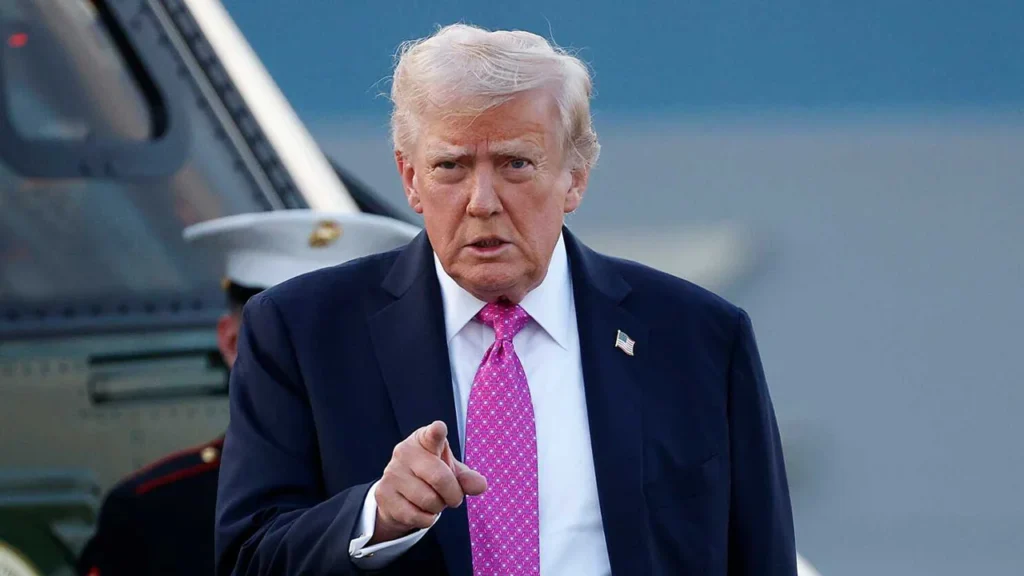
“If Oman gets in the way, we will bomb them terribly,” Trump told Fox News reporter Trey Engst regarding ongoing negotiations between Iran and Oman over control of the strait.
Oman, a US ally in the Gulf region, did not publicly respond to Trump’s comments.
Tehran and Muscat have been discussing future shipping arrangements through the strait for weeks. Iran’s Foreign Ministry said on Monday that the two sides are working on a joint declaration.
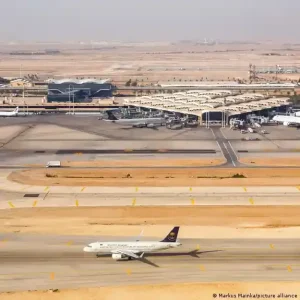
Coast of Iran north of Hormuz. And Oman on the south side.
The talks between the US and Iran began after a Pakistan-brokered interim deal to keep shipping through the strait collapsed.
Trump also said, “Iran should wave the white flag of surrender,” according to a transcript of the interview given to Eng.
Although shipping in the strait has been greatly reduced, Trump has repeatedly claimed that the US is in control of the Strait of Hormuz.
On Friday, he said he would declare the Strait of Hormuz part of US territory. In response, Iran said that this important energy transport route “will remain with Iran.”
Before the start of the war on February 28, Hormuz was considered an open international waterway. A variety of commodities, including about one-fifth of the world’s total oil supply, were transported through this channel.
Tehran is using effective control of the Straits as a pressure tool against US-led efforts to destroy Iran’s military capabilities and force it to abandon its controversial nuclear program.
Trump said he was in no rush to reach a deal, despite the unpopularity of the war and efforts by opposition Democrats to wrest control of Congress from Republicans in the midterm elections.
He told Ingst that there is a direct secret line of communication between his administration and Iranian Revolutionary Guard officers.
He was quoted as saying, ‘They are good poker (bargain) players, but they are dying.’
‘Full Use of Diplomacy’
Trump’s comments came as allies continued to press for talks.
Turkey’s state news agency Anadolu reported that Turkish President Recep Tayyip Erdogan discussed the conflict with Trump by phone.
Erdogan stressed the importance of “full use of diplomacy” to reduce tensions between Iran and the US. He also said that Ankara will continue to support efforts to establish peace.
The Strait of Hormuz has been a central point of tension in the conflict.
The narrow waterway connects the Gulf oil-producing countries to international markets. The closure of the canal at the beginning of the war caused oil prices to rise. Major importing countries warned of supply disruptions.
In addition to Iran restricting shipping in Hormuz, their Houthi ally in Yemen announced a parallel naval blockade of Saudi Arabian ports in the Red Sea.
This is Saudi Arabia’s only alternative sea route for oil exports.
Iran wants to control access to the strait and charge fees for crossings. They did not exercise such powers before the war. Washington strongly opposes it.
The closure of the Strait of Hormuz has increased fuel costs for US consumers. As the November midterm elections approach, it presents another political challenge for Trump.