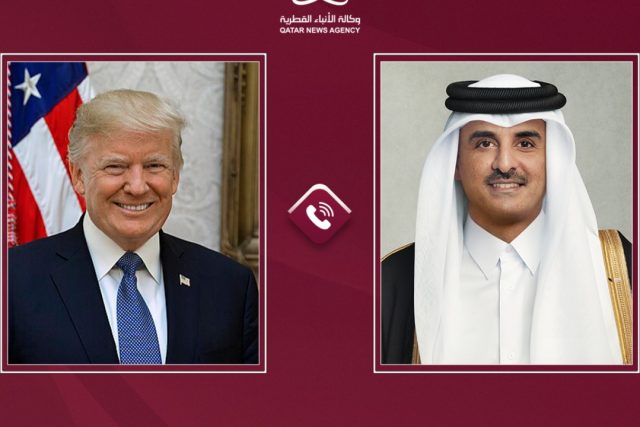








Israel’s intelligence agency, Mossad, has become involved in an investigation into allegations of foreign influence in the country’s national elections. Hebrew-language media outlets reported on Friday that Mossad joined the probe at the request of the internal security service, Shin Bet. According to these reports—which did not cite specific sources—Mossad is working alongside Shin Bet to investigate the alleged foreign interference. It is suspected that, in addition to Qatar, several other nations may have attempted to influence the election; a report by the news outlet Ynet specifically mentions Turkey among these countries. The reports further state that Shin Bet had requested Mossad’s assistance with the investigation. Meanwhile, the Central Elections Committee has repeatedly emphasized that the scope of the inquiry is limited, and that the results of Tuesday’s election—which once again led to a parliamentary deadlock—are not in question. Both Qatar and Turkey have denied allegations of attempting to influence the election, as reported by The Times of Israel.
At the heart of the allegations is an alleged attempt to provide money to increase the turnout of Arab voters on Tuesday, the day of the election. Three activists from the Ra’am party were arrested on suspicion of bribery in connection with this incident. However, according to a report by the newspaper Haaretz, the three individuals are set to be released from house arrest as no evidence was found to support the claim that they attempted to bribe voters; the case may be closed without any formal charges being filed. Channel 12 News reported that the police conducted searches of the individuals’ homes and carried out the arrests without a court-issued warrant. A source told Haaretz that the entire episode originated from the Prime Minister’s Office; the arrests were reportedly based on information provided by Ido Norden, Chief of Staff to Prime Minister Benjamin Netanyahu.
A separate report by i24NEWS stated that Norden had communicated his suspicions directly to the office of Israel’s Police Commissioner, Daniel Levy. However, when the arrests were initially announced, law enforcement authorities did not disclose the source of the allegations. On election day, Netanyahu highlighted the arrests in a video, swiftly claiming that the election was being “stolen.” Opposition leaders have accused Netanyahu of attempting to cast doubt on the election results after his coalition lost its parliamentary majority. According to Haaretz, while police discovered and seized several envelopes containing cash, no link was established between the arrested individuals and any bribery scheme. Meanwhile, citing sources close to the investigation, Channel 12 reported that no evidence related to any crime was found on the mobile phones of the three individuals.
The police stated that these arrests are unrelated to the broader, ongoing investigation into allegations of foreign interference. Furthermore, the police have pushed back against claims of widespread electoral fraud raised by Netanyahu and his Likud party. A police source told Hebrew-language media that there were only “very few irregularities” regarding the integrity of the voting process on election day. The source added that there is “no evidence—neither from investigations nor intelligence—to support the claim that the election was stolen.” The Shin Bet (Israel’s internal security service) also emphasized that the investigation is specific and limited in scope; it is not intended to cast suspicion upon or implicate the entire electorate, who were exercising their right to vote in a democratic and lawful manner.
Following the final vote count, Netanyahu’s coalition secured 53 seats, while the opposition coalition won 48. Neither side reached the 61-seat majority required to form a government in the 120-member Knesset. Meanwhile, the Arab-led parties—Ra’am and the Joint List—collectively won a record 19 seats.