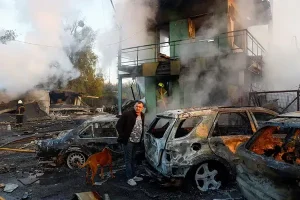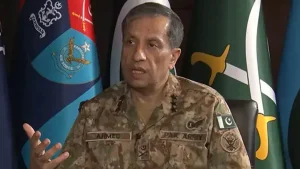
Following reports that the US Department of Defense (Pentagon) is examining various options for a potential military aggression against Cuba, China has urged Washington to cease military threats and unilateral sanctions.
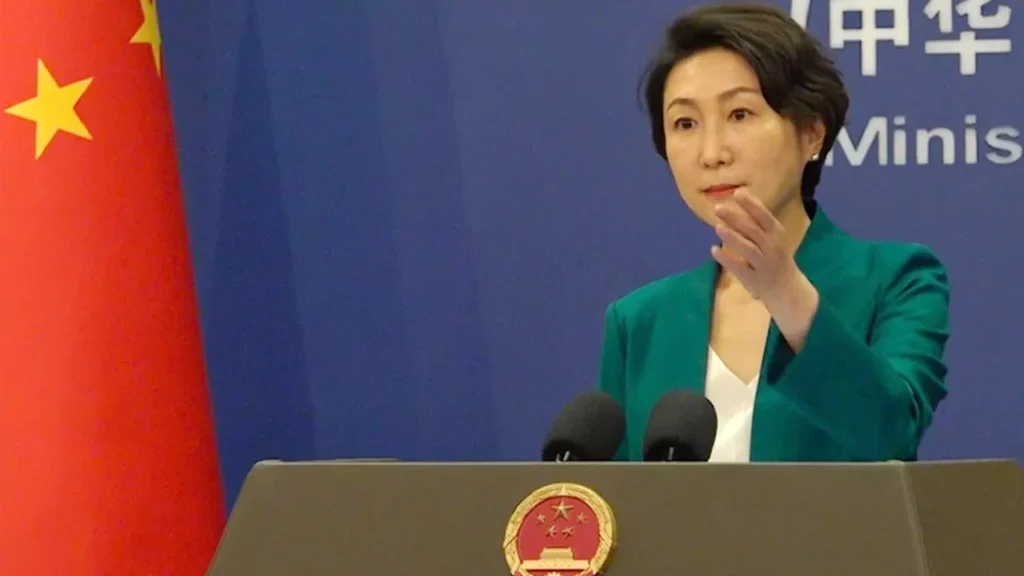
On Friday, Chinese Foreign Ministry spokesperson Mao Ning stated that Beijing is monitoring the situation closely and has already clearly articulated its stance. Mao added, “China will firmly stand against external interference in Cuba and support the protection of the country’s national sovereignty. At the same time, Beijing will work with all parties to uphold international justice and fairness.”
China’s statement follows a report by the US media outlet CBS News, which revealed that top US defense officials had reviewed several outlines for a military operation in Cuba. These plans included a proposal for an air assault involving thousands of troops from the 101st Airborne Division.
The report noted that the US military held a preliminary meeting in late June to assess the potential operation, troop requirements, logistics, and associated risks. However, US officials emphasized that President Donald Trump has not authorized such an attack, nor has any final decision been made.
Washington drafting plans for military action
News of this draft operation emerged at a time when Washington was increasing pressure on Havana, even as the US military’s attention and resources were occupied with the war involving Iran.
US officials indicated that deploying fighter jets, surveillance platforms, and other military hardware to Cuba would be extremely difficult under current circumstances. The Pentagon declined to comment directly on any hypothetical or potential operations.
Meanwhile, the Associated Press reported separately that no immediate attack is being prepared. However, the option for military action remains part of the US planning framework, and President Trump could alter his stance at any time.
Nevertheless, the drafting of such explicit operational plans at a military level—going beyond mere rhetoric—has significantly escalated tensions. Trump had previously hinted several times that Cuba could be the United States’ next target after Venezuela and Iran.
Last March, he explicitly declared, “The next target is Cuba.” While he initially suggested the possibility of bringing the country under control through friendly means, he later added, “It might not be friendly.” Subsequently, Trump even proposed deploying a US aircraft carrier near the island to force Cuba’s top leadership to surrender.
Meanwhile, last June, while visiting the US naval base at Guantanamo Bay, US Secretary of Defense Pete Hegseth issued a stern warning to Havana. He stated that Cuba must not acquire any weapons capable of striking the US mainland or its bases; doing so would trigger a conflict that Cuba lacks the capacity to handle.