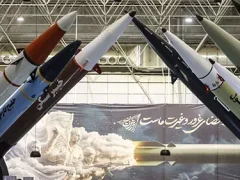







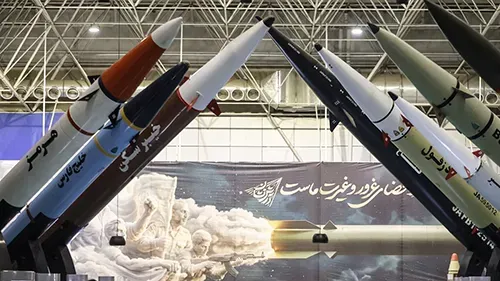
Following a U.S. strike on Iran’s Qeshm Island, tit-for-tat attacks in the Gulf region have intensified. Iran has now claimed responsibility for an attack targeting U.S. drone and missile facilities in Kuwait—the first such strike by Tehran on this U.S.-allied Gulf nation since last September. Meanwhile, Bahrain reported that it had intercepted an Iranian aerial attack—the third such incident within a single week. Bahrain has accused Tehran of engaging in “systematically hostile behavior” toward the country.
In a statement released on Wednesday, the Iranian military announced that it had targeted U.S. drone and missile installations at the Ali Al-Salem military base in Kuwait. This followed a U.S. airstrike on Tuesday evening, which targeted a missile launch site on Iran’s Qeshm Island. A U.S. military official told Reuters that the operation was a response to damage inflicted on U.S. personnel and military facilities by Iranian attacks.
However, citing an Iranian official, state media in Iran reported that no infrastructure was damaged in the U.S. strike. Kuwait, for its part, asserted its right to take all necessary measures to defend its sovereignty and ensure the security of its territory and vital installations.
New Warning from Iran
In a video released by Iranian state media on Wednesday, Iranian Defense Minister Amir Hatami issued a fresh warning to the United States. Referring to a conflict that allegedly began last February—involving the U.S. and Israel against Iran—Hatami stated, “If the enemy makes the same mistake again, we have the preparations and plans to confront them—and their supporters—in an even more powerful and devastating manner. There will be no geographical limitations in this regard.”
Amidst this warning from Iran, fresh tensions have gripped the Gulf region. Bahrain, which hosts the headquarters of the U.S. Navy’s Fifth Fleet, has stated that these persistent attacks by Iran are creating new concerns for regional security. Meanwhile, the Saudi-led coalition has claimed to have intercepted a cruise missile fired by Yemen’s Houthi rebels toward Riyadh, the capital of Saudi Arabia. While the coalition provided this information on Wednesday, there has been no immediate response from the Houthis.
Attack on a vessel in the Strait of Hormuz; one person missing
The rise in maritime attacks since October has raised concerns regarding the stability of global fuel supplies. On Tuesday, crew members were evacuated from a liquefied petroleum gas (LPG) tanker near the coast of Khasab, Oman. Separately, ADNOC L&S—the state-owned energy company of the United Arab Emirates—reported on Wednesday that one crew member is missing and 11 others were injured following an attack on one of its vessels in the Strait of Hormuz on Tuesday. This instability in maritime traffic is placing additional pressure on global oil and gas supplies.
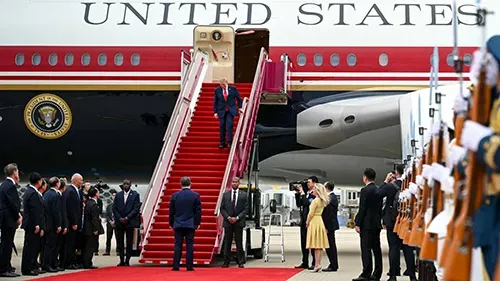
Meanwhile, in Washington, D.C., President Donald Trump expressed concern regarding a potential attack by Iran. When asked about the matter on Tuesday, he stated that the United States is treating the situation with great seriousness. Taken together—the aftermath of a U.S. strike near Qeshm Island, mounting tensions surrounding Kuwait and Bahrain, attacks on vessels in the Strait of Hormuz, and the activities of Yemen’s Houthi rebels—these developments are causing the conflict in the Middle East to spread further. Despite ongoing diplomatic efforts, there are no clear signs that the situation is coming under control.