








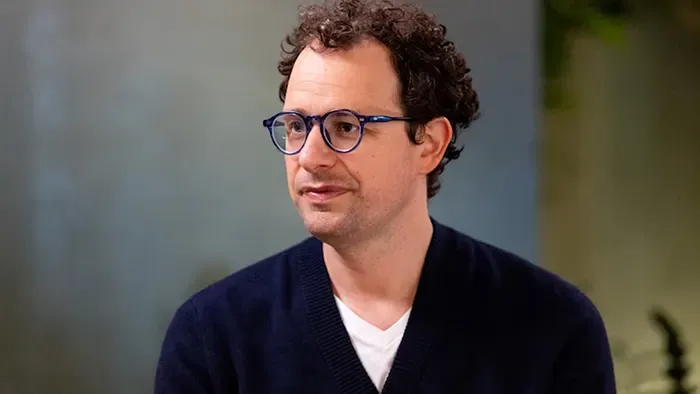
Dario Amodei, CEO of the artificial intelligence (AI) company Anthropic, has expressed optimism that diseases such as cancer, Alzheimer’s, heart disease, and mental health conditions will become a thing of the past in less than a decade.
Amodei, whose company developed the AI model ‘Claude,’ stated, “Cancer, Alzheimer’s, heart disease, mental illness—I believe that within less than a decade, these will become issues of the past.”
These are not unfamiliar diseases; they affect countless families. Some of them remain among the most daunting challenges in medical science.
Regarding this, Amodei remarked, “If we proceed correctly, we could usher in an era of miraculous progress. Humanity will be capable of solving problems that have remained beyond our reach for thousands of years.”
Amodei believes that AI has the potential to dramatically accelerate biological research, drug discovery, and medical innovation.
Amodei is not alone in this optimistic outlook; figures like Elon Musk and Demis Hassabis, head of Google’s AI division, have expressed similar expectations.
Hassabis suggests that with the help of AI, the drug discovery process—which typically takes a decade—could be compressed into just a few weeks. This could potentially lead to the eradication of diseases, with the possibility of discovering treatments for all illnesses within a decade.
In this context, he pointed to the success of ‘AlphaFold,’ developed by Google’s AI research lab, DeepMind. This technology has been used to identify the structures of over 200 million proteins. AlphaFold serves as a prime example of how AI can revolutionize biological research. Elon Musk has also claimed that, thanks to advancements in AI, people across the globe will eventually have access to the same quality of medical care as that received by the President of the United States.
However, these optimistic forecasts come with a major caveat. Experts directly involved in drug development and medical research, as well as CEOs of pharmaceutical companies, are far less optimistic about such a timeline.
Experts and pharmaceutical leaders remain unconvinced.
Jeff Leiden, Executive Chairman of Vertex Pharmaceuticals, has dismissed such timelines as “complete nonsense.”
He noted that his company has evaluated technology from nearly 50 AI firms for the purpose of analyzing 10,000 drug compounds—yet not a single one of these firms has managed to independently develop an effective drug.
Leaders in the pharmaceutical industry point out that while computers can rapidly identify promising drug molecules, this does not bypass the necessity for clinical trials, regulatory approval, or biological testing on animals and humans. In fact, the bulk of the 10-to-12-year drug development process is consumed by these very tests.
Identifying a potential molecule on a computer screen is merely the starting point. It must subsequently undergo testing in a laboratory, then in animal models, and finally through clinical trials in humans—all to ensure that the drug is both safe and genuinely effective.
While AI can accelerate the process of identifying potential medical treatments, it cannot cause these essential testing phases to vanish overnight.
Critics—such as cognitive scientist Gary Marcus and cardiologist/digital medicine researcher Eric Topol—argue that current AI models lack the deep, causal, and biological understanding required to discover cures for complex diseases.
As of 2026, no drug designed by AI has received full approval for clinical use.
The history of medical science is also replete with promises that failed to materialize within their projected timeframes. One example of this is the ‘war on cancer’ initiative that began in the 1970s.
Experts warn that overly ambitious forecasts—which exceed the current capabilities of science—can lead to inflated expectations among the general public.