




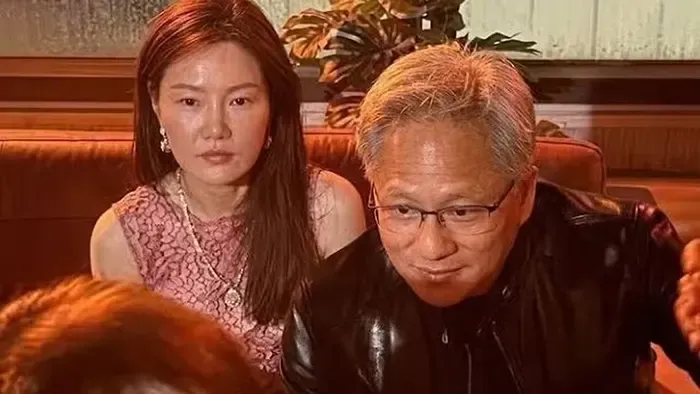
Nvidia CEO Jensen Huang has become a target of foreign intelligence services. Reports have emerged regarding his close relationship with a Chinese female spy, prompting Nvidia to announce an independent investigation. The woman is alleged to have funneled confidential information to Beijing, according to The Guardian.
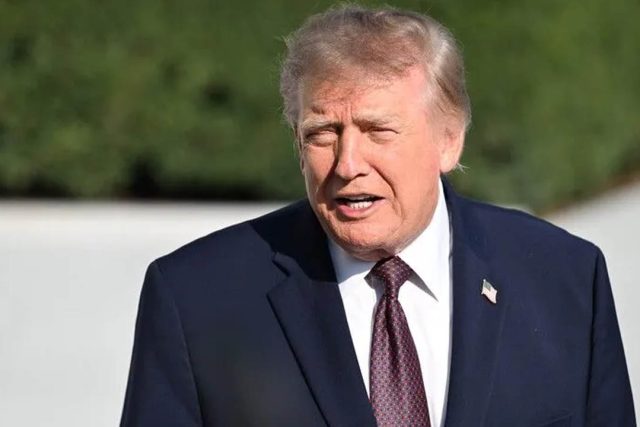
Last October, The New York Times reported that intelligence officials had informed Donald Trump that Huang maintained a close relationship with a Chinese businesswoman. Speaking to reporters on Sunday, a key presidential advisor on artificial intelligence downplayed the allegations against Huang. Trump remarked that he considers Huang an honorable man and suggested there is likely a reasonable explanation for the situation. When asked if he regretted failing to take action after receiving the intelligence, Trump sidestepped the question. He hinted that he would be pleased to have Huang accompany him on his upcoming trip to Asia. Trump stated that he had not heard of any wrongdoing by Huang, noting that he had simply engaged in business dealings—something, he added, that everyone does.

Republican lawmakers, however, have expressed significant concern. They have called for Huang to appear before the House Foreign Affairs and Intelligence Committees for a closed-door session. The inquiry will focus on Nvidia’s security protocols against espionage by foreign adversaries, as well as Huang’s relationship with Alice Huang (also known as Huang Le)—an executive at the Singapore-based data center firm, Megaspeed. It should be noted that the woman is not related to the Nvidia CEO. Previously, Alice Huang had been suspected of smuggling Nvidia chips into China, which led U.S. officials to place her under surveillance. Citing unnamed sources, a report by The New York Times states that officials have concluded he was acting as an intelligence asset for China by leaking commercial information to Beijing.
In a statement released on Sunday, Nvidia’s board of directors noted that there is no evidence to suggest that U.S. national security or any of Nvidia’s proprietary information has been compromised; however, they intend to thoroughly review all findings from their investigation. The company emphasized that the board prioritizes U.S. national and economic security, and expressed its continued confidence in Jensen and his leadership team. The statement added that Huang fully supports this review and has pledged his cooperation. According to Axios, which cited a draft email from Huang to his employees, Huang admitted to having a romantic relationship with an individual suspected of being a Chinese spy and has taken full responsibility for his actions.
In the draft email, Huang acknowledged being unfaithful to his wife, noting that his actions had caused pain to his wife and children. Nvidia did not immediately respond to a request for comment regarding the Axios report.
The Times reported on Sunday that a memo written by Marco Rubio—who would later become U.S. Secretary of State—was circulated among top policymakers in the Trump administration last spring. The memo, citing intelligence, alleged that a businesswoman linked to the Nvidia CEO was an operative for China’s Ministry of State Security. Despite these concerns, Huang was invited to join the U.S. delegation during Trump’s visit to China in May. Furthermore, both Huang and his wife, Lori Huang, were invited to a White House state dinner held in honor of Xi Jinping in September. Nvidia’s high-performance chips serve as the foundation for the rise of the AI industry, a position that has established Jensen Huang as one of the most influential figures in the sector—a role from which he developed a close partnership with Trump. However, due to national security concerns, the United States has implemented strict export controls, preventing the company from selling its high-end processors to China. U.S. officials have justified these restrictions by citing threats to the U.S. supply chain and risks to national security. U.S. Treasury Secretary Scott Bessent has also hinted at the possibility of imposing sanctions on China, citing the theft of U.S. data and intellectual property.
The Trump administration imposed restrictions on the export of advanced AI chips to China, citing national security. It has been alleged that Alice Huang of Megaspeed assisted the Chinese government in circumventing these restrictions. This investigation comes amidst a period of poor performance on Wall Street for AI technology firms, particularly Nvidia. A massive sell-off of tech stocks—which began earlier this month—compounded by disappointing earnings, wiped out approximately $1 trillion in value from the Nasdaq exchange in a single week, and nearly $2 trillion over the course of a month. Nvidia’s share price fell by 3.1%, following a period where its market capitalization had reached approximately $5 trillion.