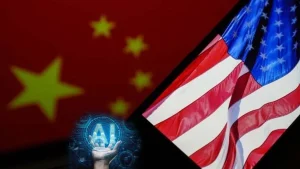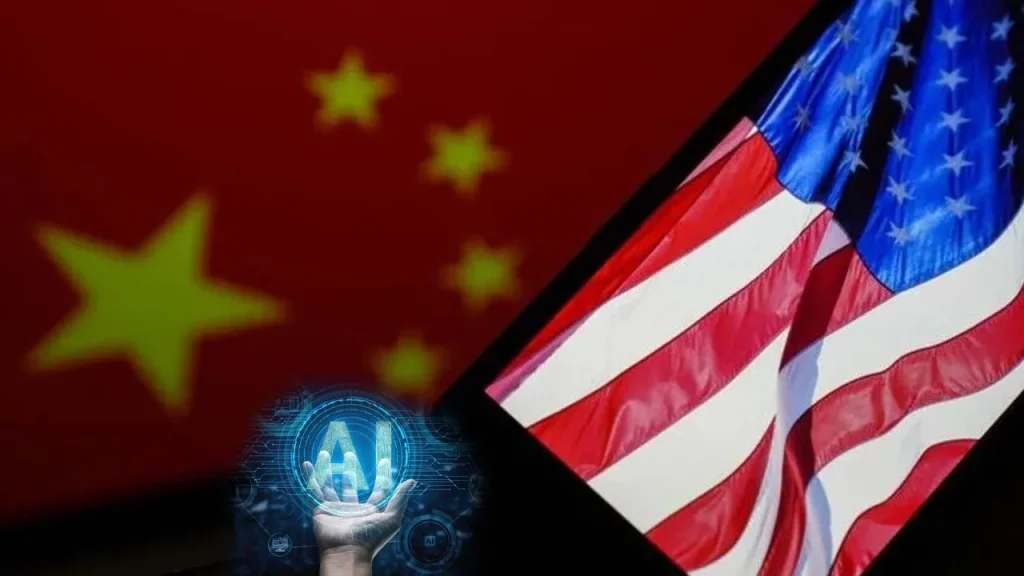
The United States and China have agreed to establish a formal bilateral dialogue framework to address the security risks associated with artificial intelligence (AI) technology. US Treasury Secretary Scott Bessent stated that the two nations will continue regular discussions on this matter. The next meeting is scheduled to take place in the southern Chinese city of Shenzhen within the next two months.
Bessent made this announcement on Monday following an extensive meeting with Chinese Vice Premier He Lifeng in New York. He revealed that the two countries have formally agreed to establish a framework known as the “USA-China AI Dialogues.” The meeting prioritized discussions on AI-related risks, security, and mechanisms for mutual communication during potential crises.
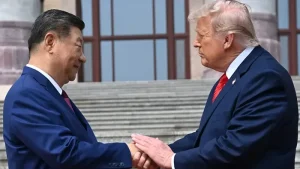
On Sunday, Bessent and He Lifeng held discussions lasting between eight and twelve hours at JPMorgan Chase’s headquarters in Manhattan. The primary objective of the talks was to lay the groundwork for agreements on various issues ahead of the upcoming meeting between US President Donald Trump and Chinese President Xi Jinping.
Bessent stated that discussions were held regarding the creation of a direct communication channel between the two nations concerning AI. Specifically, there are plans to launch an “incident line”—an emergency communication system—to facilitate the rapid exchange of information in the event of technical glitches, the behavior of uncontrolled AI systems, or the escalation of unintended tensions.
Under this system, a process will be established to notify each other about AI-related incidents that could pose serious threats to national security. Potential risks include uncontrolled autonomous AI systems, cyber threats, and the misuse of biological or other dangerous technologies by non-state actors.
Bessent emphasized the importance of enhancing transparency between the world’s two leading AI powers. He also noted the necessity of maintaining regular communication channels to address shared goals and common threats.
Meanwhile, Bessent also criticized the demands made by major AI technology companies for legal immunity at the federal level. He argues that it is unacceptable for an institution to acknowledge the risk of a major catastrophe stemming from advanced AI systems while simultaneously seeking exemption from liability for that technology.
According to Besant, the US AI strategy must prioritize strengthening defense and resilience to address potential risks, rather than focusing solely on enhancing commercial capabilities. In this regard, he emphasizes the need to bolster government initiatives alongside the rapidly expanding private AI sector.
This US-China understanding on AI safety, reached ahead of the upcoming meeting between Trump and Xi, is viewed as a move to enhance communication regarding risk management amidst the technological rivalry between the two nations.