The Wall Street Journal has expressed concern over the vulnerabilities and risks facing the US military in the conflict involving Iran.
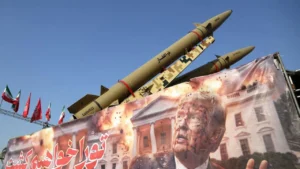
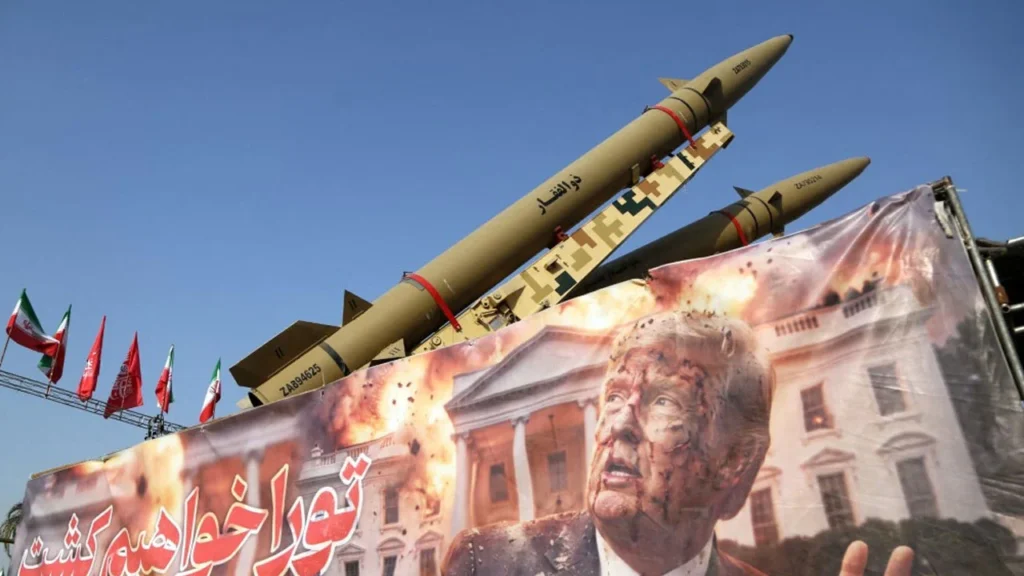
The report highlights the weaknesses and precarious positions of US forces in various areas regarding the conflict with Iran. Analyzing Iranian attacks, the newspaper notes that strikes on US military bases in West Asia—including the recent attack in Jordan—have underscored the escalating threat posed by hostile missiles and drones.
The Wall Street Journal further reports that these attacks demonstrate a lack of adequate US preparedness to effectively protect overseas military bases, critical infrastructure, and both military and civilian personnel.
The report claims that since the onset of hostilities, Iran has launched over 2,000 aerial, missile, and drone attacks across West Asia, damaging at least 20 facilities used by US forces in eight countries.
The newspaper also asserts that Iran has inflicted approximately $13 billion in damages on the US, based solely on the destruction of military equipment and infrastructure.
According to the Wall Street Journal, Iran has destroyed or damaged a total of more than 42 US military aircraft.
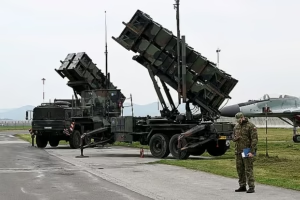
Meanwhile, The New York Times has also highlighted the depletion of US weapons stockpiles. The paper reports that five months of conflict involving Iran have driven US reserves of critical weaponry to record lows. More than 1,500 Patriot missiles and thousands of cruise and long-range ballistic missiles have been expended in this conflict; replenishing these stocks could take at least two years.
This shortfall originated from military aid provided to Ukraine prior to the conflict but has now escalated into a full-blown crisis. Consequently, US capability to respond to potential threats in Europe and Asia has been significantly compromised.
Russia and China are closely monitoring this depletion of US arsenals. They may seize this opportunity to make strategic moves in contested regions such as Taiwan or Eastern Europe. If such a situation were to arise, it could radically alter the current global security architecture for the coming decades.