Public discontent has been brewing within Tunisia—a country that appeared calm following President Kais Saied’s seizure of power five years ago. Political repression, a deteriorating economy, crumbling public services, and persistent power and water shortages have fueled anger among ordinary citizens.
Analysts believe that nearly all the gains of the democratic transition initiated by the historic 2011 revolution have now faded. Hopes for public participation in shaping a new constitution and a democratic state system have effectively vanished. The vibrant political debates that once characterized television and media have been replaced by sports and entertainment programs.
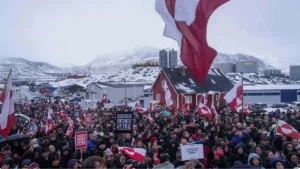
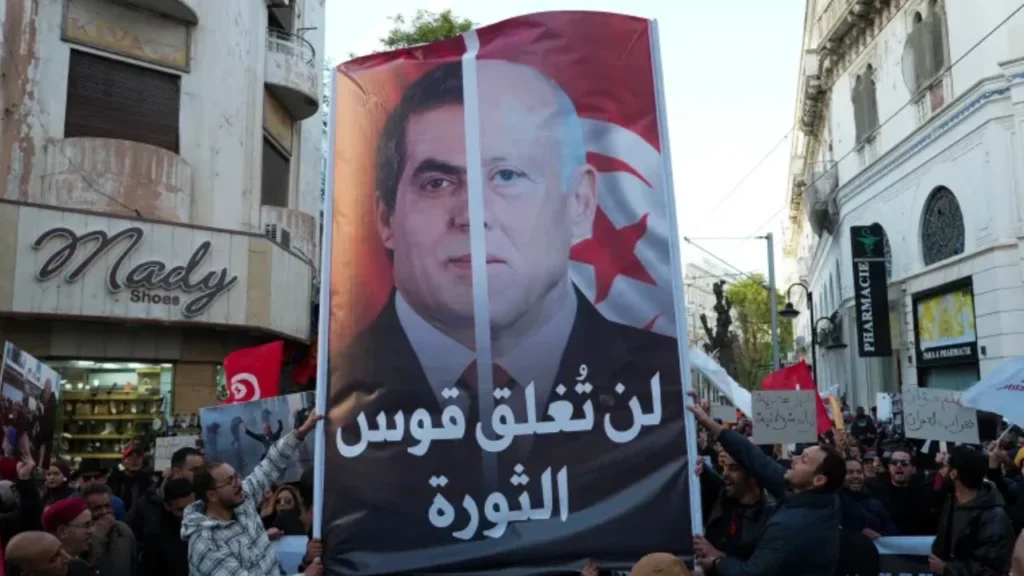
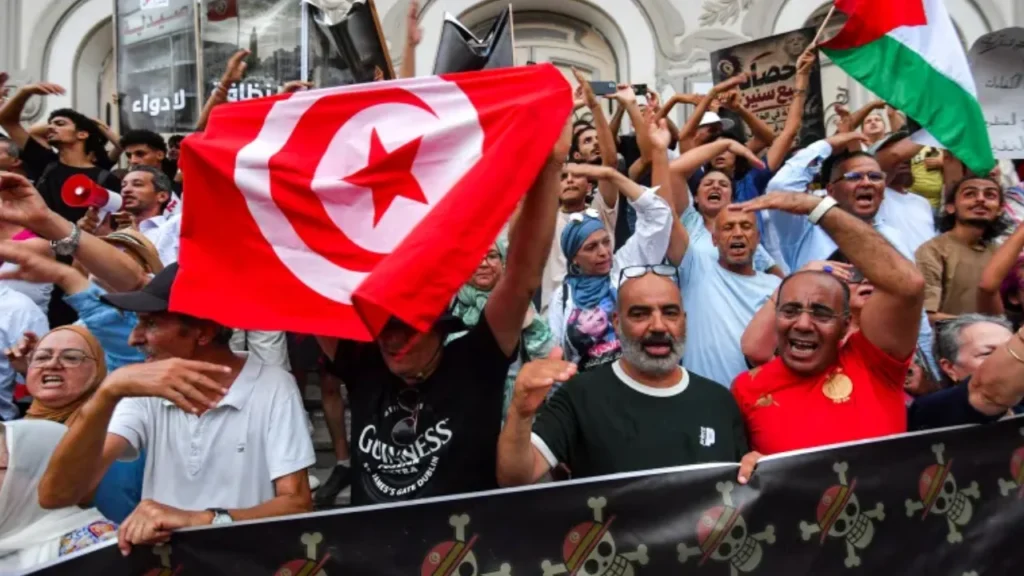
Recently, thousands of people in the capital, Tunis, took to the streets to protest President Saied’s increasingly authoritarian rule and the decline in living standards. Simultaneously, Saied’s supporters held counter-rallies, labeling the opposition as “traitors” and demanding their imprisonment.
Salsabil Chellali, Tunisia Director at Human Rights Watch, states that any criticism of the government has become virtually intolerable. According to her, five years ago, Kais Saied ended Tunisia’s democratic journey and steered the country back toward authoritarian rule. Political rights have been curtailed by undermining the rule of law and targeting opposition parties, civil society, and the media; under his administration, no critic is safe.
Mismanagement Exposed by Heatwave
Severe heatwaves and wildfires have scorched approximately 4,400 hectares of land in Tunisia. Despite assistance from Italy and Algeria, bringing the fires under control has proven difficult. Meanwhile, the state-owned electricity and gas company, STEG, has implemented rolling blackouts to cope with surging electricity demand. This has led to crop losses, disrupted industrial production, and severe hardship in people’s daily lives; in many areas, power outages last for up to 12 consecutive hours. A Tunisian analyst, speaking on condition of anonymity, noted that while everyone knows the demand for electricity and water rises in the summer, Tunisia lacks the necessary planning, investment, and funds. He added that the problem is not merely one of infrastructure; there is also a critical lack of central planning to handle emergency situations.
Imprisonment of Opposition and Strict Media Controls
Almost all key anti-government leaders in the country are either in prison or in exile. Most top leaders of Ennahda—once the largest political party—are incarcerated. The party’s 85-year-old leader, Rached Ghannouchi, is also in prison; no information regarding his whereabouts or physical condition has been released since he fell ill and lost consciousness in custody last month.
Meanwhile, critical journalism and freedom of expression have been severely curtailed through harsh laws enacted under the guise of curbing “fake news.” Recently, political commentator and satirist Haythem El Mekki was forced to leave the country after being sentenced to one year in prison over a social media post from three years ago.
Hamza Meddeb, a researcher at the Carnegie Middle East Center, stated that censorship is pervasive. Power outages are causing livestock deaths and restaurant closures, and the sick are suffering—with even elderly people dying as a result.
According to him, while public anger is directed at state utility companies or the government at times, people are afraid to openly hold the President—the true center of power—accountable.
Slim Hopes for Reform
Analysts believe President Saied’s position has been bolstered by international support. To curb illegal migration, the European Union is prioritizing political stability over issues of democracy and human rights. Consequently, despite concerns regarding human rights, the EU has signed multiple cooperation agreements with the Tunisian government.
Neighboring Algeria and Libya have also continued their support for Saied’s government to avoid instability along their borders. Algerian President Abdelmadjid Tebboune recently pledged to stand by Tunisia in countering any threats to its stability. Riccardo Fabiani, the North Africa Director at the Crisis Group, states that President Saied operates with a mindset that views all the country’s problems as conspiracies against him. According to him, almost all of Tunisia’s international partners have now given up hope for reforms in the country.
The Tunisian Prime Minister’s office was contacted for comment on this matter, but no response was received.