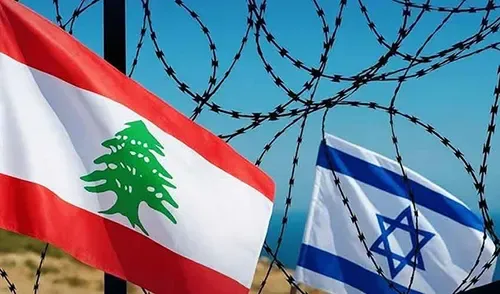
Following U.S.-mediated talks, Israel and Lebanon have agreed to extend their ceasefire by 45 days. As a result, the ongoing conflict in southern Lebanon between Israel and the Iran-backed Hezbollah is expected to remain temporarily under control. U.S. State Department spokesperson Tommy Pigott announced that the ceasefire, which originally went into effect on April 16, has been extended for an additional 45 days. This extension paves the way for further progress in the negotiations between the two parties. The ceasefire was originally scheduled to expire this coming Sunday. Following two days of talks in Washington, delegations from both Israel and Lebanon expressed a positive response. Reuters Online reported this development. On March 2—just three days after the outbreak of hostilities involving the U.S., Israel, and Iran—Hezbollah launched missile attacks toward Israel.
Subsequently, Israel intensified its airstrikes against Lebanon. Israeli bombing campaigns and ground operations in southern Lebanon have resulted in the displacement of approximately 1.2 million people. Last month, U.S. President Donald Trump announced the ceasefire following an initial meeting in Washington between the ambassadors of the two nations. However, Israel continued to conduct strikes against Iran even during the ceasefire period, prompting retaliatory attacks from Hezbollah. The epicenter of the conflict remains southern Lebanon, a region that Israel has designated a “security zone” and continues to occupy illegally. The Lebanese delegation stated that their primary objective in the negotiations was to bring an end to the conflict. However, the Shia group Hezbollah has voiced its objection to these negotiations. Conversely, Israel maintains that the disarmament of Hezbollah is a prerequisite for establishing a long-term peace with Lebanon. These U.S.-led negotiations are taking place against the backdrop of ongoing diplomatic engagements between Washington and Tehran. Iran has indicated that an end to Israel’s military operations in Lebanon is a key condition for reaching a broader diplomatic settlement.
The U.S. State Department announced that a new round of security-related talks is scheduled to commence at the Pentagon on May 29. Furthermore, Israel and Lebanon are set to reconvene for political-level discussions on June 2 and 3. Tommy Piggott stated, “We hope these discussions will help ensure lasting peace between the two countries, mutual recognition of sovereignty, and genuine security along the border.” In a statement, the Lebanese delegation indicated that they aim to move toward a permanent peace agreement alongside a ceasefire. Israel’s Ambassador to the United States, Yechiel Leiter, described the talks as constructive. He noted that while the negotiations would inevitably experience ups and downs, the prospects for success remain high.