








Despite strict US sanctions and efforts to isolate Iran from the global financial system, vast sums of money linked to the country are flowing through the US banking system. A report by The Wall Street Journal reveals that approximately $9 billion in Iranian funds moved through US banks in 2024 alone.
The investigation found that Iranian funds do not go directly to US banks; instead, they route through financial institutions in third countries, front companies, and currency exchange firms before entering the US banking system for final dollar settlement. This has raised fresh questions regarding the effectiveness of the US policy aimed at isolating Tehran from the international financial system.
Dollars Arriving via Third-Country Banks
A primary route for Iranian funds to reach US banks is the “correspondent banking” system. Under this arrangement, foreign banks—even those without their own US branches—can settle dollar transactions through US banks.
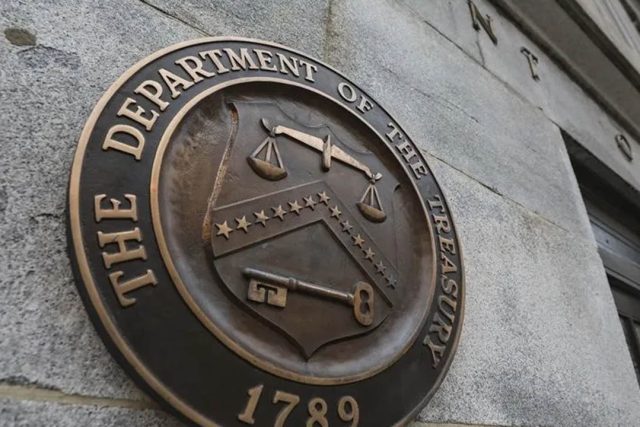
The WSJ report notes that front companies and currency exchanges are utilized to route funds linked to Iran through foreign financial institutions, thereby masking the true origin of the transactions. According to US Treasury Department data, approximately $9 billion in Iranian funds passed through US banks in 2024.
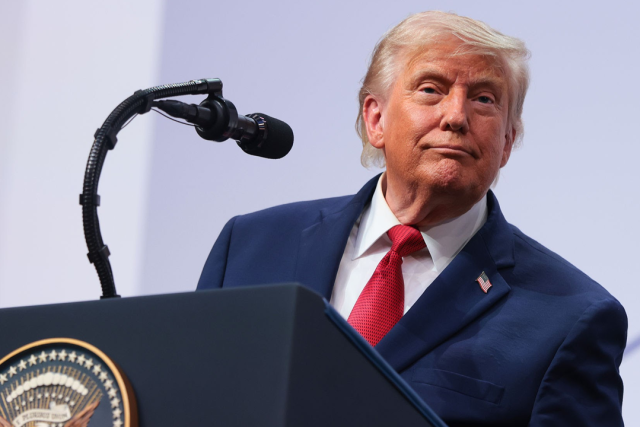
Amidst this situation, President Donald Trump’s administration is intensifying financial pressure on Tehran. Under “Operation Economic Outcast,” companies and nations doing business with Iran are being warned, and threats are being issued to cut off sanctions violators from the US financial system.
Oil Stockpiled at Sea: Another Financial Lifeline for Iran
Oil exports are a major source of revenue for Iran. Although US sanctions aim to drive the country’s oil exports close to zero, Tehran has continued to sell oil through alternative channels.
China is Iran’s largest oil buyer. According to Kpler—a firm that analyzes shipping and cargo data, cited by the WSJ—China imported over 500,000 barrels of Iranian oil per day in August. The country accounts for more than 80 percent of Iran’s total oil exports. To evade sanctions, oil is being transferred from one ship to another in international waters. This makes it difficult to trace the oil’s true origin. After being transferred from sanctioned tankers carrying Iranian oil to other vessels, the oil reaches China, where it is sometimes documented as originating from a different source.
According to Vortexa’s estimates, approximately 80 million barrels of Iranian crude oil are currently being stored in floating inventory within Asian waters. This oil could be worth several billion dollars, providing a significant financial cushion for Iran.
Transactions in Chinese Yuan instead of Dollars
To circumvent sanctions, Iran is reducing its reliance on the US dollar for trade with China. A Wall Street Journal (WSJ) report indicates that an increasing share of Iranian oil transactions is being settled in Chinese yuan.
This allows Tehran to bypass parts of the US-controlled financial system. Yuan is being used to purchase goods and services from China. Additionally, transactions such as infrastructure construction in Iran by Chinese companies are being conducted in exchange for oil.
In essence, by utilizing alternative currencies and commodity-based trade outside the dollar system, Iran is able to maintain its international trade operations.
Reliance on Cryptocurrency
Due to limited access to conventional financial systems, Iran is also utilizing cryptocurrency as an alternative medium for transactions.
Researchers cited by the WSJ state that Iran has utilized billions of dollars’ worth of cryptocurrency for various purposes, including trade, procurement of goods, and arms acquisition. The report also notes that crypto exchanges linked to Iran’s Islamic Revolutionary Guard Corps (IRGC) have been used to receive payments for oil sales from Chinese buyers.
The United States has imposed sanctions on several Iranian crypto exchanges and seized over $1 billion in digital currency linked to Iran. However, monitoring and regulating crypto transactions remains difficult due to their decentralized and international nature.
Network of Shell Companies in Hong Kong and Dubai
Iran cannot entirely avoid the need for the US dollar. The country requires major international currencies—including the US dollar—for activities such as imports, the purchase of military equipment, and the financing of regional allies.
To this end, Tehran has established an extensive network of shell companies and money exchange houses in financial hubs like Hong Kong and Dubai. Through these entities, proceeds from Iranian oil and other exports are converted into US dollars, euros, and UAE dirhams, while simultaneously masking Iran’s direct connection to the funds.
When one entity is shut down, another emerges
The US Treasury has been consistently imposing sanctions on banks, companies, and individuals in an effort to dismantle this Iranian financial network. However, sanctioning a single entity does not result in the shutdown of the entire network.
A recent case involving the UAE operations of the Egyptian lender Banque Misr highlights this issue. The US Treasury reported that the bank’s UAE branch processed transactions worth approximately $1.8 billion that were potentially linked to Iran’s shadow banking network.
Subsequently, measures were taken to restrict access to the bank’s US correspondent accounts.
This highlights a key dynamic: the very international banking infrastructure that enables global dollar transactions—and grants the US immense financial leverage—can also create indirect channels for funds subject to sanctions.
Funds Reaching the Arms Industry
Iran’s shadow financial network does more than just keep the country’s economy afloat; it also facilitates the procurement of essential components for its military programs.
According to reports, Iranian buyers are able to source materials for drones, ballistic missiles, and other weaponry from Chinese companies. Some suppliers may be unaware of the final destination of these goods. Others are either so small or so detached from the international financial system that they face relatively little pressure from US sanctions.
The Wall Street Journal (WSJ) cites Iran’s Shahed attack drone as a prime example; these drones incorporate various Chinese-made components and have been deployed as a threat against US allies.
Sanctions vs. Dollar Dominance
Experts note that while the US needs to take stringent measures to cut off Iran’s financial flows, there are risks associated with excessive regulation. Imposing sweeping restrictions on the correspondent banking system could drive nations to increasingly turn to the Chinese yuan or alternative financial systems.
Consequently, while pressure on Iran would mount, there is a risk that the US dollar’s central role in the global financial system could be undermined in the long run.
In summary, as US sanctions against Iran intensify, Tehran is creating an increasing number of alternative financial pathways—leveraging the dollar, oil, the yuan, cryptocurrency, shell companies, and banking networks in third countries. Thus, the greatest challenge facing Washington is not merely halting Iran’s financial flows, but enforcing sanctions in a manner that does not compromise the dollar’s long-standing influence on the global economy.