The struggle to maintain control over the Strait of Hormuz has become a focal point of the conflict involving Iran. For the past few months, both Iran and the United States have asserted their dominance in the region. However, current circumstances indicate that the US is exerting influence under the watchful eye of the US Navy, while Iran is gradually losing control of this vital waterway. CNN reported this development. According to data from Kpler, a shipping data tracking firm, more than 80 percent of vessels passing through the Strait of Hormuz over the last two weeks have utilized the Omani route.
Iran strongly opposes this UN-sanctioned shipping channel. Although Iran previously attacked several vessels traversing the waters off Oman’s northern coast, most ships are now ignoring Iranian threats or restrictions and using the route, relying on security assurances from the US Navy. Homayoun Falakshahi, a lead analyst at Kpler, stated that the situation suggests Iran has lost control of the strait, at least partially.
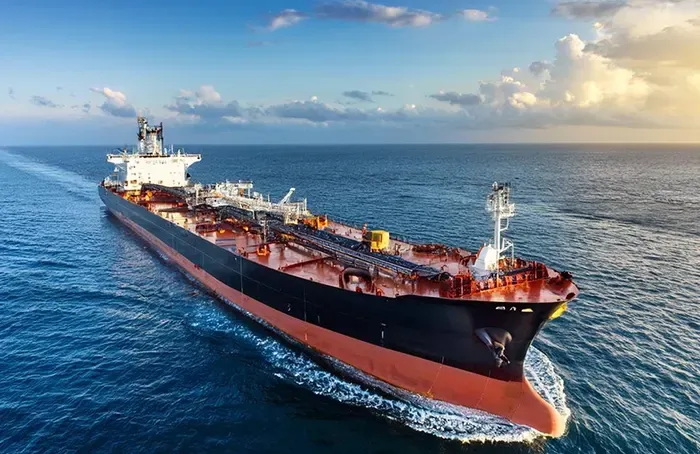
As ships bypass the route preferred by Iran, the country is unable to collect tolls as it once did. While Iran should theoretically be collecting tolls following the recent expiration of a memorandum of understanding between the US and Iran, in reality, it is unable to do so. Meanwhile, to evade Iranian attacks, Kuwait, Saudi Arabia, and the United Arab Emirates are employing Very Large Crude Carriers (VLCCs). They are offloading oil to customer tankers in the safe waters of the Gulf of Oman while keeping their tracking systems—or transponders—switched off (a practice known as “dark traffic”).
US Energy Secretary Chris Wright stated last week that approximately 15 million barrels of oil are currently being transported daily through the strait and its surrounding routes—a figure close to the pre-conflict average of 20 million barrels. US President Donald Trump claims that the US now holds “total control” over the strait. However, analysts argue that full US control has not yet been established, as Iran maintains a deterrent capability and continues to threaten attacks in the area. Nevertheless, it is evident that Iran’s influence has diminished significantly compared to a month or two ago. Meanwhile, however, Oman and Iran have initiated discussions—excluding the United States—on normalizing unhindered maritime movement between them, a development that has become a new source of concern for the Trump administration.