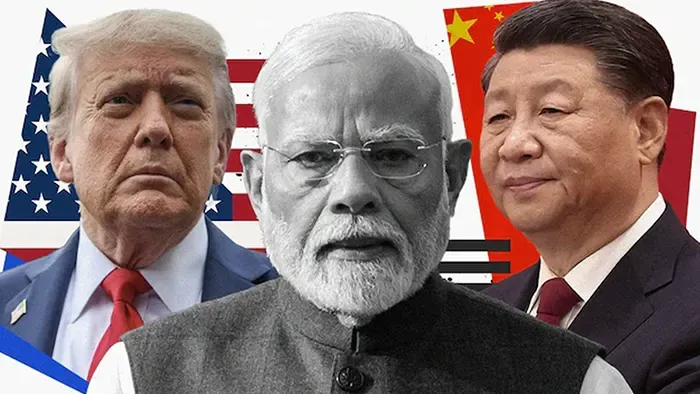
The US Senate has approved a bill granting President Donald Trump the authority to impose tariffs of up to 100% on the five largest buyers of Russian oil and natural gas. India and China could potentially fall under the scope of these tariffs.
The bill is named in honor of the late US Republican Senator—a staunch supporter of Ukraine. Passed by a vote of 86-11, the legislation bears the name of the senator, who passed away on July 11. He had been a vocal advocate for imposing new sanctions on Moscow as Russia’s war in Ukraine entered its fifth year.
His sister, Darlene Graham—who succeeded him in the Senate—stated that the bill would deal the hardest blow to Russian President Putin. Democratic Senator Richard Blumenthal, who worked alongside the late senator for over a year to advance the bill, declared that the people of Ukraine are “not alone.”
“Today, President Volodymyr Zelenskyy is watching from Ukraine, and Putin is watching from Moscow. I would like to think that Lindsey Graham is watching, too,” he said.
He added, “Today we tell the people of Ukraine: you are not alone. And today we tell Vladimir Putin: you cannot conquer Ukraine.”
The bill will move to the US House of Representatives for approval when the session resumes on August 31.
Key Provisions of the Russia Sanctions Bill
This bipartisan package empowers the President to impose tariffs on the five largest purchasers of Russian oil or natural gas—a list that includes India and China.
However, the bill includes provisions for exemptions for countries that import less than 15% of their total natural gas from Russia and are taking steps to reduce those imports.
The bill also calls for sanctions against Russian President Putin, senior political and military leaders, Russian financial institutions, and energy projects. Additionally, the bill seeks to sanction the older and re-flagged oil tankers that Moscow utilizes to maintain revenue from its oil and energy sectors while circumventing existing US sanctions.
However, the President retains the authority to grant waivers or exemptions from these sanctions, provided he certifies to Congress that such an exemption is in the national interest of the United States.
Alongside the sanctions on Russia, the bill includes a provision to extend the 1996 ‘Iran Sanctions Act’ until 2031. This act authorizes punitive measures against companies investing in Iran’s energy sector.
Apart from India and China, Azerbaijan, Hungary, and Slovakia are also among the top five countries currently importing oil and gas from Russia.