Iran had seriously considered launching a counter-attack in response to a Ukrainian strike on one of its commercial cargo ships in the Caspian Sea. However, the country has stepped back from that course of action for the time being, thanks to urgent diplomatic efforts. The American newspaper The New York Times reported this on Tuesday, citing Iranian and Western sources.
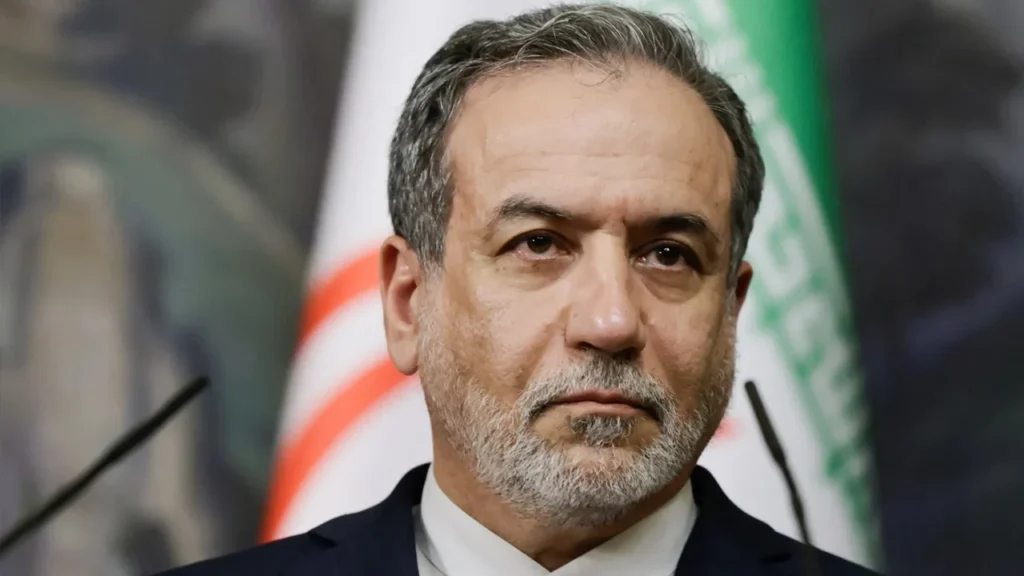
A civilian Iranian sailor was killed in the Ukrainian attack on the vessel in the Caspian Sea last Saturday. The very next day, Iranian Foreign Minister Abbas Araghchi condemned the move as a violation of the UN Charter and issued a stern warning on social media, stating that the incident “cannot go unanswered.”
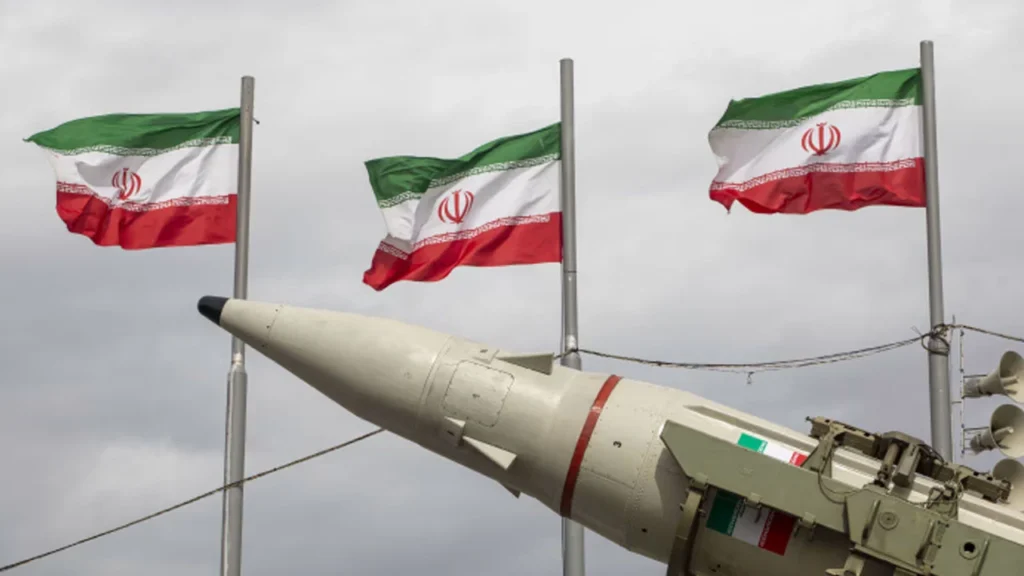
Western intelligence sources had indicated that Iran might launch ballistic missiles equipped with low-yield warheads at Ukrainian Black Sea ports—a move intended as a symbolic response rather than one causing massive destruction. Analysts noted that a direct missile strike from Iran onto Ukrainian territory could have escalated existing tensions between the two nations into a major war extending beyond the immediate region.
Signs of a Diplomatic Thaw
However, the situation took a different turn on Tuesday when discussions initiated by Ukrainian diplomats began amidst the heightened military tension. Ukrainian Foreign Minister Andrii Sybiha spoke by phone with his Iranian counterpart, Abbas Araghchi. Following the call, the Iranian Foreign Minister stated that Sybiha had described the attack on the commercial ship in the Caspian Sea as an “unintentional incident.”
Regarding the conversation, Araghchi wrote on social media, “Iran does not wish to escalate the conflict, but we have made it clear that any attack on our citizens or interests is completely unacceptable. Proper compensation must be made for this incident.” Subsequently, he also discussed ways to de-escalate regional tensions with Kaja Kallas, the European Union’s top diplomat.
Tehran-based political analyst Mehdi Rahmati noted that a faction within the Iranian government had opposed a retaliatory military strike on Ukraine from the very beginning. He said, “Ukraine is neither a small nor a weak country. They possess military experience and are receiving logistical support from the United States and Europe.” “Iran stands to gain nothing by opening a new war front.”
Geopolitical Equations and Russia’s Role:
Following the US imposition of sanctions on Iranian ports in the Persian Gulf, trade and logistics involving Russia via the Caspian Sea have become crucial for Tehran. Simultaneously, Kyiv has long been aggrieved with Tehran over allegations regarding the sale of Iranian drones to Russia.
Meanwhile, Ukrainian President Volodymyr Zelenskyy met with US President Donald Trump in Washington. Reports indicate that during the meeting, Zelenskyy presented detailed intelligence to Trump showing that Russia was providing satellite imagery to facilitate Iranian surveillance of US bases in the Middle East.
Although the threat of a bloody counter-attack has been averted for the time being through discussions between the foreign ministers of the two nations, doubts remain regarding how long this fragile peace will last amidst the region’s ongoing geopolitical instability.